Why Choose a Roll to Roll UV Printer?
Why Choose a Roll to Roll UV Printer?
The printing market is moving toward shorter runs, faster delivery, and more customized graphics. Smithers’ The Future of Digital Print to 2029 forecasts continued expansion in digital print value and production capacity. Its findings highlight automation, personalization, and reduced setup waste as important competitive factors. These pressures make the Roll To Roll Uv Printer increasingly relevant for modern print businesses.
Benny Landa, founder of Landa Digital Printing, once said, “Everything that can be digital will be digital.” His statement reflects a major industry shift. A roll-to-roll UV system can print directly onto flexible vinyl, film, wallpaper, mesh, and coated textiles. UV curing locks ink almost instantly. Printed graphics leave the machine dry and ready for finishing. That can shorten production queues.
The details matter.
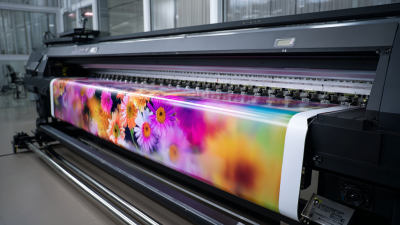
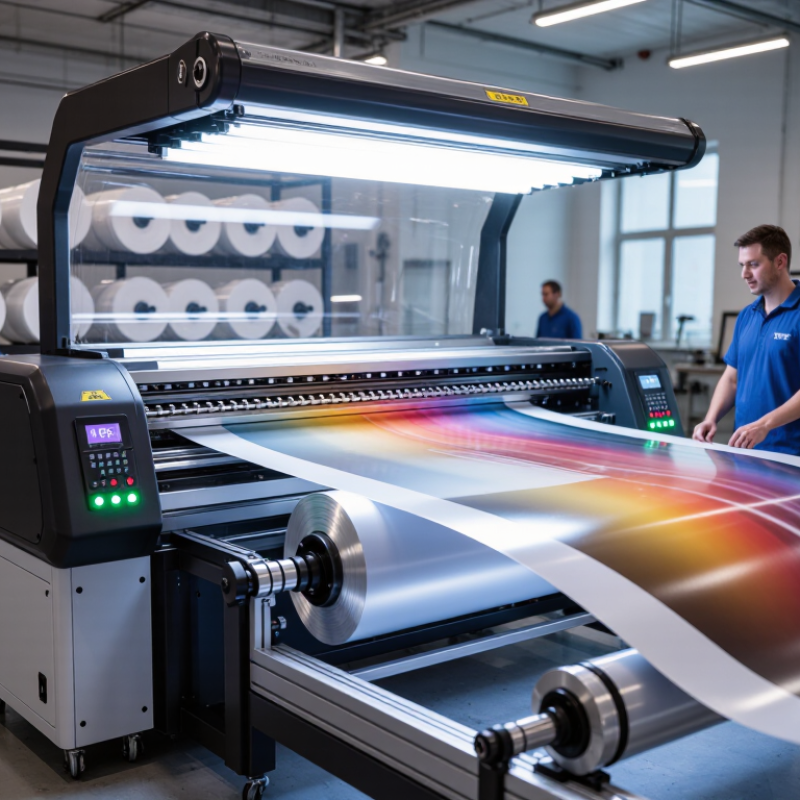
Operators can inspect a printed roll under bright curing lamps. They can check color consistency before installing it at a retail site. This practical control reduces costly reprints. It also supports outdoor applications when ink, media, and lamination are correctly matched.
Grand View Research identifies UV-cured inkjet printing as a growing technology segment, supported by durable output and quicker curing. However, reports do not replace production testing. A printer may perform differently with textured media, dark substrates, or high-speed modes. Energy use, maintenance, ventilation, and operator training still deserve careful review. No machine solves every workflow problem.
Choosing a Roll To Roll Uv Printer should therefore begin with real samples, measured throughput, and total operating cost. Not only the purchase price.
How Roll-to-Roll UV Printing Technology Works
Why Choose a Roll to Roll UV Printer?
How Roll-to-Roll UV Printing Technology Works
Roll-to-roll UV printing starts with a flexible media roll mounted on an unwind system. The material moves forward under controlled tension. A drive motor keeps the surface steady beneath the print heads. This control matters because loose media can wrinkle, while excessive tension may stretch the image.
The print heads deposit tiny droplets of UV-curable ink onto the moving surface. Ink placement is guided by a RIP system, which translates artwork into precise firing instructions. Immediately afterward, UV lamps cure the ink. The light triggers a rapid chemical reaction, turning liquid ink into a dry, durable layer. No long drying rack is needed.
The process feels simple.
In practice, calibration takes patience. Operators adjust tension, feed speed, lamp intensity, and print passes for each material. Vinyl, coated fabric, and synthetic film can react differently under heat and UV exposure. A small alignment error may create banding or blurred edges. I have found that regular nozzle checks and test strips prevent many expensive mistakes. Still, perfect output is not automatic. Dust, uneven media, or a poorly prepared file can interrupt an otherwise stable run. White ink and protective layers may require separate settings, especially when strong opacity or surface texture is needed. Careful monitoring keeps long production runs consistent while reducing material waste.
Key Materials and Applications for Roll-to-Roll UV Printers
Why Choose a Roll to Roll UV Printer?
Roll-to-roll UV printers handle continuous flexible media with steady feeding and precise curing. Common materials include adhesive vinyl, PET film, coated paper, canvas, banner fabric, and synthetic wallcovering. Each surface reacts differently to UV ink, so a small adhesion test remains essential.
Vinyl may need a clean, dust-free surface. PET often requires careful curing control to prevent curling.
Coated paper can show excellent detail, but heavy ink coverage may cause slight waviness.
In practical production, these printers support wall graphics, vehicle decals, window films, retail displays, event banners, and interior decoration. A shop can print a long graphic without cutting separate sheets. This reduces setup time and keeps repeated panels more consistent.
UV curing also creates a dry surface immediately after printing. That helps with trimming, laminating, and installation schedules. Still, “dry” does not always mean fully stable. Some media may crack when sharply folded.
Experienced operators usually adjust
Experienced operators usually adjust ink limits, curing power, vacuum strength, and take-up tension for each roll. Small changes matter.
For example, excessive tension can stretch thin film and distort registration.
Insufficient tension can create wrinkles near the print zone.
I have found that test strips reveal problems earlier than full-roll production. The process is efficient, but it is not automatic perfection.
Weather, storage humidity, and media age can also affect adhesion and color appearance. Careful records make future jobs more reliable.
Benefits of Choosing a Roll-to-Roll UV Printer
Why Choose a Roll to Roll UV Printer?
Benefits of Choosing a Roll-to-Roll UV Printer
A roll-to-roll UV printer supports continuous production on flexible media. It handles banners, films, vinyl, wallpapers, and coated textiles. UV curing dries ink immediately under ultraviolet lamps. Finished rolls can move directly to cutting, laminating, or installation. This reduces waiting time in busy print rooms. It also limits smudging during rewinding. Small details remain sharper on textured materials.
Smithers forecasts the global digital print market will grow from $136.7 billion in 2023 to $230.5 billion by 2028. This reflects stronger demand for customized, shorter-run production. A roll-to-roll system fits that shift well. It reduces plate preparation and makes variable graphics more practical. Production teams can test five designs without stopping for long setup changes. However, speed alone does not guarantee profit. Ink usage, media waste, curing power, and maintenance still affect operating costs. The choice is not automatically right.
Tips: Measure real output, not advertised speed. Track square meters per hour across a full shift. Check edge quality after rewinding. Test your most difficult media before purchase. Operators sometimes overlook ventilation and lamp maintenance. That mistake can reduce consistency. Smithers, The Future of Digital Printing to 2028, supports the market-growth data cited here. Industry forecasts can guide planning, but your own production records matter more.
Maintenance, Limitations, and Operating Considerations
Why Choose a Roll to Roll UV Printer?
A roll to roll UV printer can produce durable graphics on flexible media with sharp detail and immediate curing.
In my experience, its value depends heavily on disciplined maintenance. Daily nozzle checks reveal missing lines before they become costly production defects. Wipe the printhead carefully, clean the capping station, and inspect the wiper for dried ink. Small details matter. Dust around the carriage can affect alignment and surface quality.
Operating conditions also deserve attention. Keep the room stable, because extreme temperature or humidity can change ink flow and media behavior. Set correct roll tension to prevent wrinkles, shifting, or uneven winding. Some thin films may deform under curing heat. Test them first. Ventilation is important when curing releases noticeable odors, especially during long runs. Operators should follow the equipment manual and use suitable protective equipment during cleaning.
Limitations become clearer with real production work. UV printing may require careful color profiling on transparent, textured, or highly reflective media. White ink systems often need regular circulation, even when white printing is not scheduled. A missed maintenance cycle can create blocked nozzles and extended downtime. I have also found that “fast” production is not always efficient; frequent media changes can erase the expected time savings. The maintenance schedule is rarely perfect, so recording failures, cleaning times, and media results helps improve future decisions.