Top UV Cylinder Printer for Bottles and Tumblers?
Choosing the top Uv Cylinder Printer for bottles and tumblers requires more than comparing prices. In real production, the best machine must handle curved surfaces, changing diameters, and repeated daily workloads. A printer that looks impressive in a showroom may produce uneven coverage on narrow bottles. That difference matters.
A reliable Uv Cylinder Printer should offer stable rotary movement, accurate height adjustment, and dependable UV curing. These features help create sharp logos, readable text, and consistent color around stainless steel tumblers, glass bottles, and coated containers. Operators should also examine print speed, nozzle maintenance, software compatibility, and the maximum object size. Small details often decide long-term productivity.
Practical testing is essential. Ask suppliers for samples using your actual bottle shape, surface finish, and artwork. Check the image near the handle area. Inspect white ink density, fine lettering, and edge alignment under normal lighting. Experienced users also record cleaning time and ink consumption, because hidden maintenance costs can change the final decision. A machine with higher output is not always the more economical choice.
There is no universal winner. A compact studio may value simple operation, while a busy customization shop may need automation and stronger material support. Some product claims sound convincing but deserve verification. Independent reviews, warranty terms, training, and technical response times should influence the shortlist. This guide compares important specifications and practical performance, helping buyers select equipment with greater confidence and fewer expensive surprises.
What Is a UV Cylinder Printer for Bottles and Tumblers?
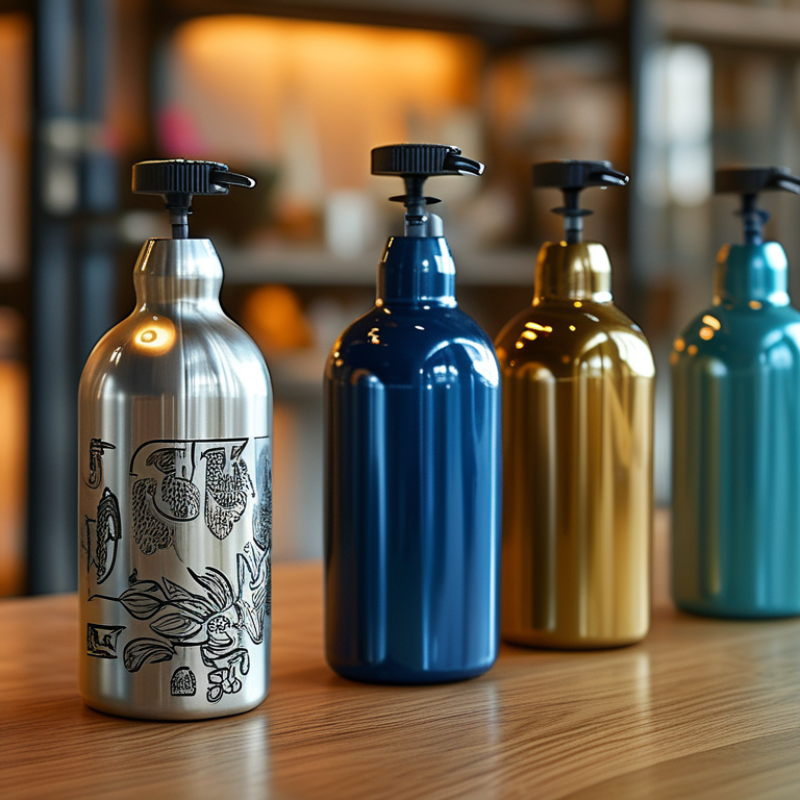
A UV cylinder printer is designed to print directly onto bottles, tumblers, tubes, and other rounded products. Unlike a flatbed printer, it uses a rotary device to turn the item while the print head applies ink. UV lamps cure each ink layer immediately, creating sharp graphics with little drying time. The result can include logos, names, patterns, or detailed color artwork around the cylinder.
The process sounds simple, but surface preparation strongly affects quality. Stainless steel, coated metal, glass, and plastic may require different cleaning methods or primers. Dust, oil, or uneven coatings can cause weak adhesion and visible gaps. Practical testing should include a small sample, a scratch check, and gentle washing. Not every cylinder is perfectly round. That difference can create slight image distortion, especially near tapered bases or handles. This limitation deserves attention before large production runs.
Tips: Measure the product diameter carefully. Check the rotary fixture’s holding range. Use a test print before final artwork. Keep the cylinder level and centered. Clean the surface with a suitable solution, then allow it to dry fully. Experienced operators also inspect ink coverage under bright light. A glossy finish may look attractive, yet it can reveal tiny alignment errors. Careful setup often matters more than maximum print speed.
How UV Cylinder Printing Technology Works
How UV Cylinder Printing Technology Works
UV cylinder printing uses a rotating fixture to hold a bottle or tumbler steadily. The container turns while printheads place tiny ink droplets across its curved surface. UV LED lamps cure each layer almost immediately. The ink becomes firm under controlled ultraviolet energy. No lengthy drying rack is required.
Most systems build images with cyan, magenta, yellow, black, white, and clear varnish. White ink improves contrast on dark stainless steel or colored plastic. Varnish can create a raised logo or a small gloss highlight. The process looks simple. It is not.
Experienced operators check diameter, taper, surface temperature, and rotation speed before production. A narrow tumbler may need different settings from a straight bottle. Cleaning matters, too. Finger oils can weaken adhesion. A test print, crosshatch test, and gentle scratch check provide practical evidence.
Smithers’ digital packaging research projects strong growth for digitally printed packaging through 2027, driven partly by shorter customized runs. RadTech’s 2023 market study valued North American UV and electron-beam products at approximately 4.9 billion dollars in 2022. These figures support wider adoption, but they do not guarantee every print will last.
Material remains the difficult variable. Some plastics need primer or flame treatment. Excessive ink height may feel attractive, yet it can reduce durability around drinking edges. I would test washing, abrasion, and condensation before approving a production setting. Small failures often reveal more than a perfect sample.
Top UV Cylinder Printer for Bottles and Tumblers: Printable Wrap Area
UV cylinder printing rotates the bottle or tumbler while UV-curable ink is deposited and instantly cured by ultraviolet light.
The chart shows the printable side-surface area calculated from representative cylindrical dimensions using
circumference × printable height. It excludes the top and bottom surfaces.
How to Compare Print Quality, Speed, and Compatibility
Top UV Cylinder Printer for Bottles and Tumblers?
Print quality begins with registration, ink control, and accurate cylindrical rotation. Fine lettering should remain sharp around the full bottle, not only at the front. In practical testing, inspect highlights, gradients, and white ink on dark tumblers. Uneven rotation often creates visible banding. It can ruin an otherwise attractive design.
Speed requires more than advertised bottles per hour. Measure complete cycle time, including loading, curing, cleaning, and artwork setup. Grand View Research valued the global digital printing market at approximately $36.8 billion in 2022 and projected a 5.3% annual growth rate through 2030. That expansion reflects demand for shorter runs and customized products. However, faster production may reduce detail when the printer lowers resolution or pass count. More speed is not always better.
Tips: Test identical artwork on stainless steel, coated plastic, glass, and tapered drinkware. Check diameter limits, height range, mandrel options, and object stability. Ask for measured output samples, not showroom photographs. The Fogra Digital Print Quality report emphasizes repeatability and objective measurement, yet many buyers still judge samples under inconsistent lighting. I have made that mistake myself. Compatibility deserves equal attention: surface treatment, primer requirements, ink adhesion, and curing strength can vary sharply between materials. A printer that excels on straight tumblers may struggle with narrow necks or curved bottles.
Which UV Cylinder Printer Fits Your Production Needs?
Choosing the top UV cylinder printer for bottles and tumblers depends on your actual production needs, not the machine’s advertised speed.
Measure your container range first. A narrow printer may handle small bottles well but struggle with wide tumblers. Check the supported diameter, print length, weight limit, and surface shape before comparing features.
For mixed orders, look for adjustable rollers or a stable chuck system.
These parts should hold each item firmly without leaving marks. Rotary accuracy matters when printing logos, fine text, or full-wrap graphics. UV curing should be even across curved surfaces. Poor curing can cause smearing, weak adhesion, or dull colors. Test stainless steel, coated glass, plastic, and powder-coated tumblers separately. One ink setting rarely suits every material.
Production trials reveal more than a showroom demonstration.
Print ten identical cups and inspect alignment, color consistency, and drying time. Then repeat the test after several hours of operation.
Heat, dust, and frequent cleaning can affect results. I have seen impressive sample prints hide slow loading procedures. That weakness becomes expensive during large orders.
Maintenance also deserves attention. Ask how often printheads need cleaning and how easily operators can reach them.
A printer that saves setup time may fit a growing workshop better than a faster machine with complicated adjustments. Leave room for mistakes. Operators may need training before reliable output becomes routine.