What is a Large Uv Flatbed Printer and How Does It Work?
In the evolving landscape of printing technology, the "Large UV Flatbed Printer" stands out as a revolutionary tool. Experts in the industry, like Dr. Emily Chang, a leading researcher in printing technology, emphasize its impact. She states, "Large UV Flatbed Printers redefine what’s possible in large format printing." This printer allows for unique applications, pushing boundaries beyond traditional methods.
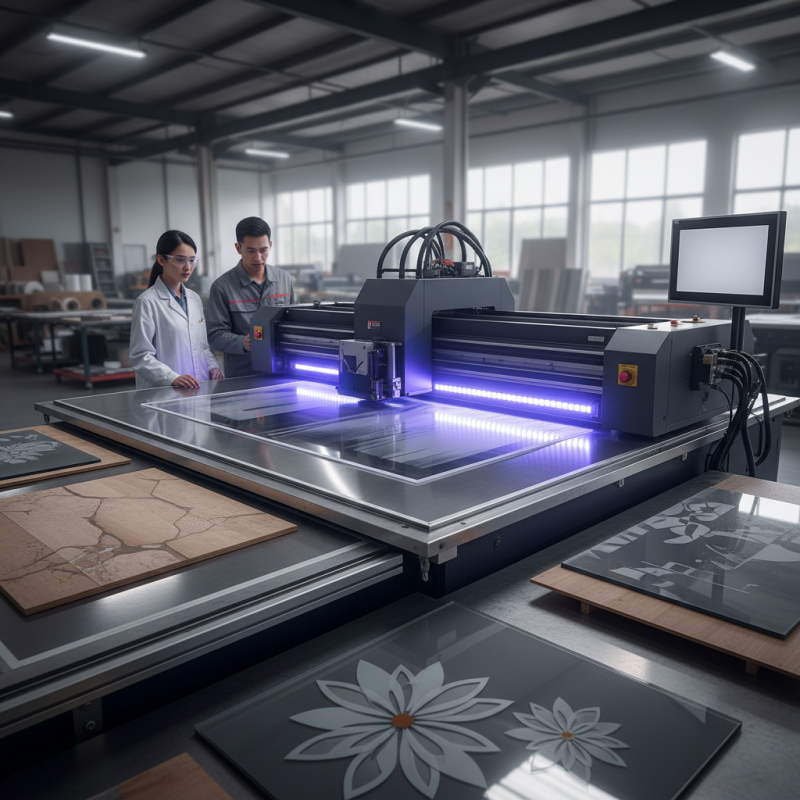
A Large UV Flatbed Printer utilizes UV light to cure ink instantly. This technology enables printing on varied materials such as wood, glass, and metal. The versatility it offers gives businesses more creative freedom. However, understanding its full potential requires expertise and experience in the field.
Despite its advantages, the Large UV Flatbed Printer isn’t without challenges. The initial investment can be substantial. Additionally, operational training is needed to maximize efficiency. Exploring these printers also raises questions regarding maintenance and serviceability. This technology invites continuous reflection and improvement to keep up with industry standards.
What is a Large UV Flatbed Printer?
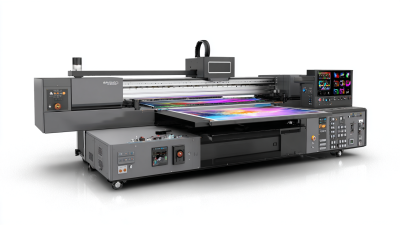
A large UV flatbed printer is a versatile tool in printing technology. It utilizes ultraviolet light to cure or dry ink as it is printed. This system allows for high-quality images on various materials such as wood, metal, and glass. According to industry reports, the global flatbed printer market is expected to grow significantly, reaching $4.35 billion by 2027. This growth is driven by advances in printing technology and increasing demand for custom graphics.
Users often undervalue the importance of material selection. Different substrates react differently to UV inks. Some materials may warp or react poorly to UV curing. Testing on a small sample first is crucial. Additionally, maintenance of the printer is often overlooked. Proper care ensures longevity and consistent print quality.
Another key aspect is understanding color management. UV printers can produce vibrant colors with clarity. However, achieving the desired color may require calibration. Environmental factors like humidity can affect print results. Regular calibration helps keep results consistent.
In summary, while large UV flatbed printers offer numerous benefits, careful attention must be given to material selection and printer upkeep. Small adjustments can lead to significant improvements in print quality and efficiency.
Key Components of a Large UV Flatbed Printer
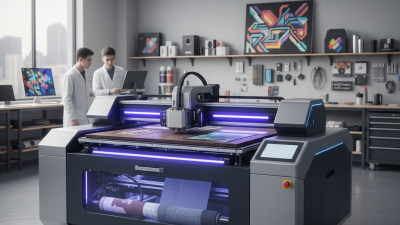
A large UV flatbed printer is a versatile printing machine. It uses ultraviolet light to cure ink as it is printed. This technology enables vibrant colors and sharp images on various materials. The key components of these printers greatly influence their performance.
The print head is essential. It contains multiple nozzles that spray ink onto the surface. Quality heads lead to finer details in printed images. The UV light source then rapidly cures the ink, making it durable and resistant to fading. Another important component is the flatbed itself, which provides a stable surface for printing. A well-designed bed can accommodate various materials, from wood to metal.
The control system manages the entire printing process. It ensures that the correct amount of ink is applied and that the print head moves accurately. Regular maintenance of these components is crucial. Neglect can lead to inconsistent printing quality. Users often underestimate the importance of calibration. A small error can ruin a print run, leading to wasted materials and time.
Working Mechanism of UV Printing Technology
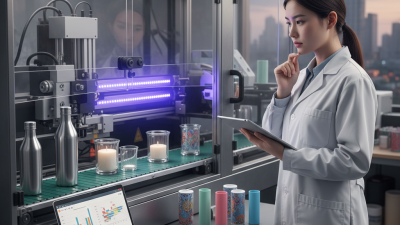
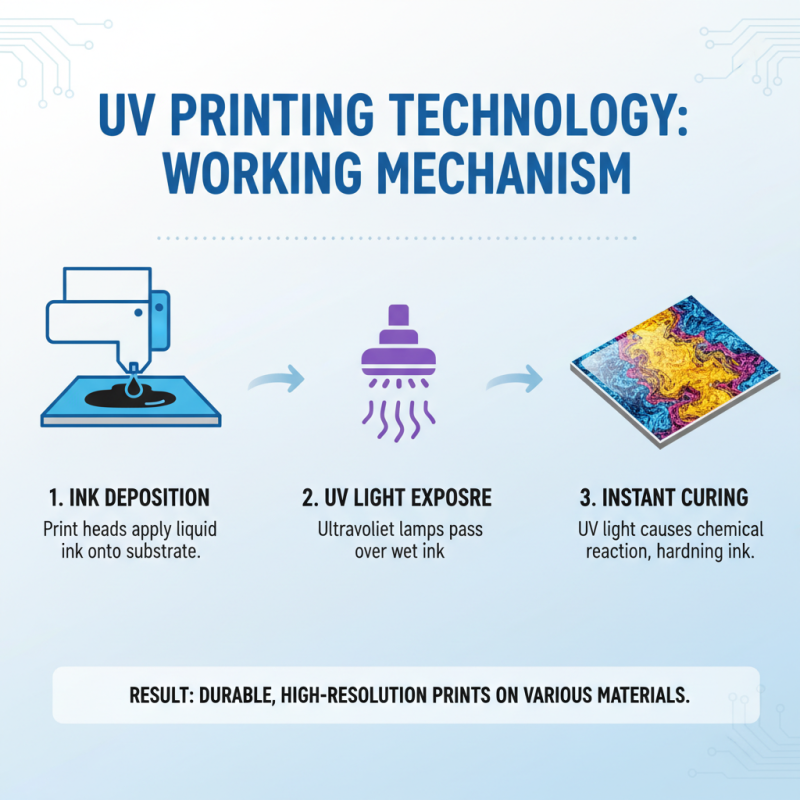
UV flatbed printers represent a significant technological advancement in the printing industry. These printers utilize ultraviolet light to cure or dry the ink as it is printed onto various substrates. The working mechanism begins with the deposition of ink on the material’s surface, followed by exposure to UV light. This process causes a chemical reaction that hardens the ink almost instantaneously, allowing for vibrant colors and high-resolution images.
The ability to print on diverse materials is one of the notable advantages of UV printing technology. Reports suggest that the global UV printing market is expected to reach $4.82 billion by 2025, with a compound annual growth rate (CAGR) of 10.4%. This rapid growth indicates a shift towards more versatile printing applications. However, challenges remain in the area of ink adhesion on certain surfaces. Some substrates may require pre-treatment to ensure durability and longevity of the print.
In addition, the energy consumption and costs associated with UV printing can be high. The need for powerful UV lamps contributes to this concern. As companies seek to balance quality and sustainability, ongoing research into energy-efficient technologies is crucial. While UV printing offers numerous advantages, it is essential to address these challenges to enhance its reliability and application in various industries.
Industry Applications of Large UV Flatbed Printers
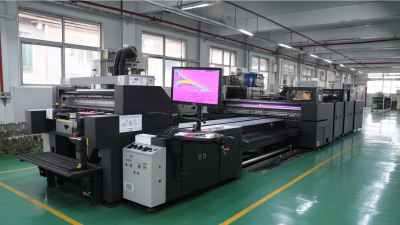
Large UV flatbed printers have become essential tools in various industries. Their ability to print on a wide range of materials makes them versatile. For instance, in the signage sector, these printers can create vibrant, high-quality graphics on rigid substrates such as wood, metal, and acrylic. According to a report by Smithers Pira, the global digital printing market, which includes UV printing, is expected to grow to $22 billion by 2027. This growth indicates a strong trend toward customization and personalization in print production.
In the packaging industry, large UV flatbed printers are increasingly utilized for creating prototypes and short-run packaging. They allow for quick turnarounds and flexibility in design, which is crucial for businesses needing to adapt to market demands. Research shows that 43% of packaging designers believe digital printing will play a significant role in their future strategies. However, challenges remain, such as the need for continuous innovation in ink formulations to meet sustainability goals.
In the art and décor sector, these printers enable artists and designers to create unique pieces without limitations. The process allows for intricate details and vibrant colors, appealing to both commercial buyers and individual collectors. Nevertheless, the long-term impact of these technologies on traditional art forms prompts reflection. Balancing innovation with artistry will be an ongoing conversation in this evolving landscape.
What is a Large UV Flatbed Printer and How Does It Work? - Industry Applications of Large UV Flatbed Printers
| Dimension |
Description |
Typical Applications |
| Printing Area |
Typically ranges from 4ft x 8ft to larger sizes up to 10ft x 20ft. |
Signage, banners, and custom displays. |
| Print Resolution |
Can achieve resolutions of up to 1440 dpi. |
High-quality graphics and detailed images. |
| Materials Used |
Can print on various substrates such as wood, glass, metal, and acrylic. |
Interior and exterior signage, art installations. |
| Ink Technology |
Utilizes UV-curable inks that dry instantly when exposed to UV light. |
Durable prints, resistant to scratching, fading, and weather. |
| Speed |
Can print up to 100 square meters per hour, depending on the quality settings. |
Large volume printing needs, such as trade shows and events. |
| Cost |
Initial investment can range from $50,000 to $300,000. |
Cost too high for low volume users, ideal for commercial use. |
Advantages and Limitations of Using UV Flatbed Printers
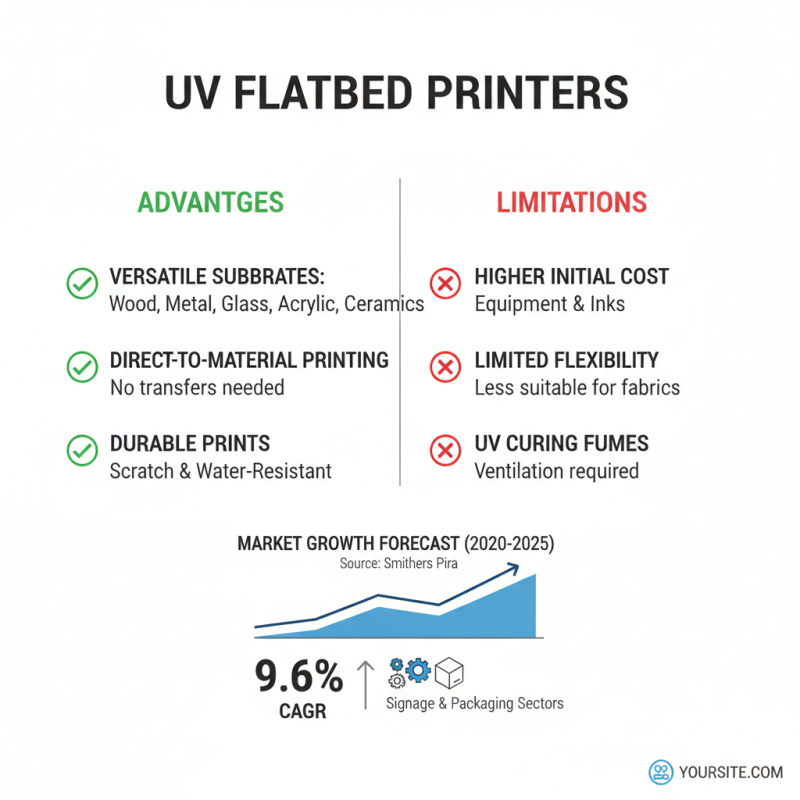
UV flatbed printers offer remarkable versatility in printing directly on various materials. One major advantage is their ability to print on rigid substrates like wood, metal, and glass. According to a recent industry report by Smithers Pira, the UV printing market is expected to grow at a compound annual growth rate (CAGR) of 9.6% from 2020 to 2025. This indicates a strong demand for UV technology in sectors such as signage and packaging.
However, there are limitations to consider. UV inks can be more expensive than traditional solvent inks, affecting overall production costs. Additionally, the curing process requires specialized equipment which can lead to increased initial investments. For example, a typical industrial UV printer might cost between $50,000 to $200,000, reflecting its complexity. Operators must also ensure proper ventilation, as UV exposure during the printing process can pose health risks if not managed correctly.
In practice, achieving high-quality prints consistently can be challenging. Issues such as nozzle clogging and ink adherence might arise, requiring ongoing maintenance. This can disrupt workflow and lead to delays. Users often need to implement a rigorous maintenance schedule to avoid downtime. Investing in staff training can help mitigate these challenges, ensuring that printers operate at peak performance.