How to Choose the Best Drinkware UV Printer for 2026?
Choosing the right Drinkware UV Printer for 2026 is crucial for businesses in the creative sector. With advancements in technology, the options have expanded immensely. It can feel overwhelming to select the best fit for your needs.
Consideration of quality is key. Not all printers deliver the same level of detail and durability. Look for models that offer vibrant colors and robust printing capabilities. User reviews can be invaluable here, showcasing real-world experiences with specific printers.
Cost is another significant factor, but it shouldn’t be the only consideration. Investing in a reliable Drinkware UV Printer can elevate your product offerings. However, remember that cheaper options may lead to compromises in quality. Pay attention to manufacturer support and warranty offers; they are indicators of a brand's confidence in its products.
Understanding the Basics of UV Printing Technology for Drinkware
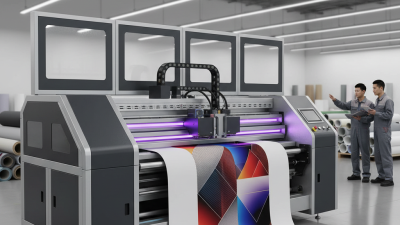
UV printing has revolutionized the way we customize drinkware. This technology uses ultraviolet light to cure or dry the ink as it is printed. The result is vivid, durable images that can withstand daily use. Understanding this process is vital when considering a UV printer for drinkware.
A key element of UV printing is the ink itself. UV inks are formulated to dry quickly under UV light, ensuring sharpness and clarity in designs. However, the choice of substrate matters. Different materials, like glass or stainless steel, require specific inks to achieve optimal adhesion and color vibrancy. Testing various combinations can lead to surprising results.
Another aspect to consider is the printer's resolution. A higher resolution enhances detail but may slow down production speed. While high-resolution prints can impress customers, balancing quality and efficiency is essential. Some printers may fall short in achieving the desired detail, necessitating potential adjustments in technique or equipment. Each choice impacts the final product in ways that may not be immediately obvious. Being open to experimentation can lead to better outcomes.
UV Printer Performance Comparison for Drinkware in 2026
This chart compares the key performance metrics of various UV printers suitable for drinkware production in 2026. Metrics included are print speed (prints per hour), resolution (dpi), and average cost (USD).
Key Features to Look for in Drinkware UV Printers
Selecting the right drinkware UV printer involves understanding various key features. Quality is paramount; look for printers that offer high resolution for crisp images. A printer with a resolution of at least 1200 DPI is generally a good choice. This ensures your designs look professional. Consider the maximum print size as well. Different drinkware types, like mugs or bottles, require varying sizes for optimal printing.
Another important factor is UV curing technology. Fast curing times can significantly boost productivity. Printers that dry ink quickly allow for greater output in shorter periods. Additionally, the ease of use cannot be overlooked. A user-friendly interface simplifies the printing process, which is important for those new to UV printing.
Ink flexibility is also worth noting. Choose printers that allow for a variety of ink types. This opens doors to more creative projects. Think about ongoing support and reliability too. A dependable printer should come with a solid warranty and good customer service. Users often encounter issues that need quick resolutions, so having support is critical. Each feature can enhance the final product, but assessing your specific needs is essential.
Comparing Leading Drinkware UV Printer Brands for 2026
When choosing the best drinkware UV printer for 2026, it's crucial to analyze the leading brands in the market. In recent years, the UV printing industry has grown by 4.2% annually, with drinkware being a significant segment. Reports indicate that aesthetics and durability are top priorities for consumers. Therefore, brands must prioritize these features in their offerings.
One key consideration is print quality, measured by resolution and color accuracy. A study from Industry Research Group showed that printers with higher resolutions rank better in customer satisfaction. However, not all brands deliver consistent results, creating a dilemma for buyers. Some printers struggle with vibrant color reproduction, leading to potential customer dissatisfaction.
Tips: Evaluate user reviews and case studies to gauge real-world performance. Look for print samples to compare clarity and detail. Check warranty and support options, as manufacturers vary in reliability.
Another factor is compatibility with different drinkware materials. The International Print Industry Association notes that not all printers function well with glass, ceramic, or stainless steel. This limitation can lead to challenges in achieving a consistent finish. A reflective coating may not adhere well to certain surfaces, making it essential to understand material compatibility.
Tips: Conduct tests on various substrates. Factor in the type of inks used as they can impact longevity and vibrancy. Don't ignore potential maintenance costs, as some models require frequent servicing.
How to Choose the Best Drinkware UV Printer for 2026?
| Feature |
Brand A |
Brand B |
Brand C |
| Max Print Area |
10 oz - 20 oz cups |
12 oz - 24 oz bottles |
8 oz - 30 oz tumblers |
| Print Resolution |
1200 x 1200 dpi |
1440 x 1440 dpi |
600 x 1200 dpi |
| Speed (prints/hour) |
30 |
25 |
20 |
| Ink Type |
Eco-solvent |
UV curable |
Dye-sublimation |
| User Interface |
Touch screen |
Button control |
Mobile app |
| Price Range |
$5,000 - $7,000 |
$4,500 - $6,500 |
$3,000 - $5,000 |
Budget Considerations: Finding the Best Value for Your UV Printer
When choosing a UV printer for drinkware in 2026, budget is a major factor. Balancing quality and cost requires careful consideration. Many printers are available, but price does not always reflect performance. Look for features that meet your specific needs without overspending.
Investing in an affordable UV printer is essential, but don’t sacrifice quality for price alone. Research specifications like print speed, resolution, and ink durability. These details impact your end product. Online reviews and expert opinions can offer insights into the real-world performance of different models.
Reflect on your production goals and volume. Determine how much you can spend without compromising essential features. Sometimes, a mid-range model outperforms a high-end one in specific applications. It's crucial to analyze warranty options and customer support offerings. These factors contribute to long-term satisfaction, which often goes overlooked when focusing solely on the initial purchase price.
Future Trends in Drinkware UV Printing Technology and Usage
The drinkware UV printing industry is rapidly evolving. By 2026, several trends will shape the technology and its usage.
According to a recent report by Smithers Pira, the global market for UV printing is expected to reach $30 billion by 2026, driven primarily by demand in the beverage industry.
Customization is becoming increasingly popular. Consumers now prefer personalized products, boosting the need for innovative printing solutions.
In terms of technology, advancements in printer capabilities are significant. New systems support a wider array of materials, enhancing design possibilities.
Moreover, automation is streamlining processes, reducing production time and cost. A report from the International Data Corporation highlights that automated UV printers could improve efficiency by up to 40%.
This efficiency gain is crucial for smaller businesses striving to compete in a crowded market.
However, challenges remain. The high initial cost of equipment can deter new entrants. Furthermore, achieving consistency in print quality across different substrates is a persistent issue.
As the market grows, addressing these shortcomings will be essential for sustained success. Looking ahead, businesses must remain agile, adapting to consumer demands and technological advancements to thrive in this dynamic environment.