2026 Best Uv Flatbed Printer for Global Buyers?
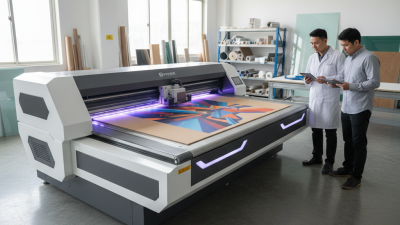
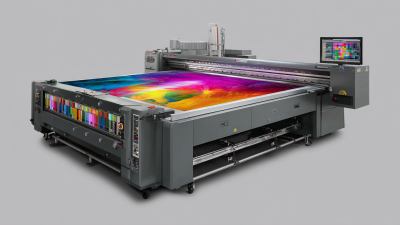
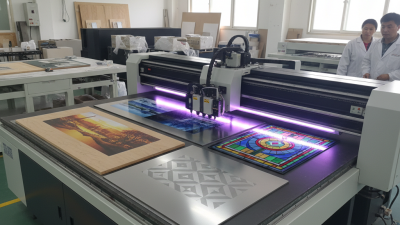
In a rapidly evolving printing industry, the demand for high-quality printing solutions has never been greater. The "Uv Flatbed Printer" stands out as a versatile and reliable choice for businesses worldwide. According to Dr. Emily Chen, an industry expert with over a decade of experience, "Investing in a Uv Flatbed Printer can significantly enhance your production capabilities." This technology allows for direct printing on various substrates, including wood, glass, and metal, which opens new opportunities for creative applications.
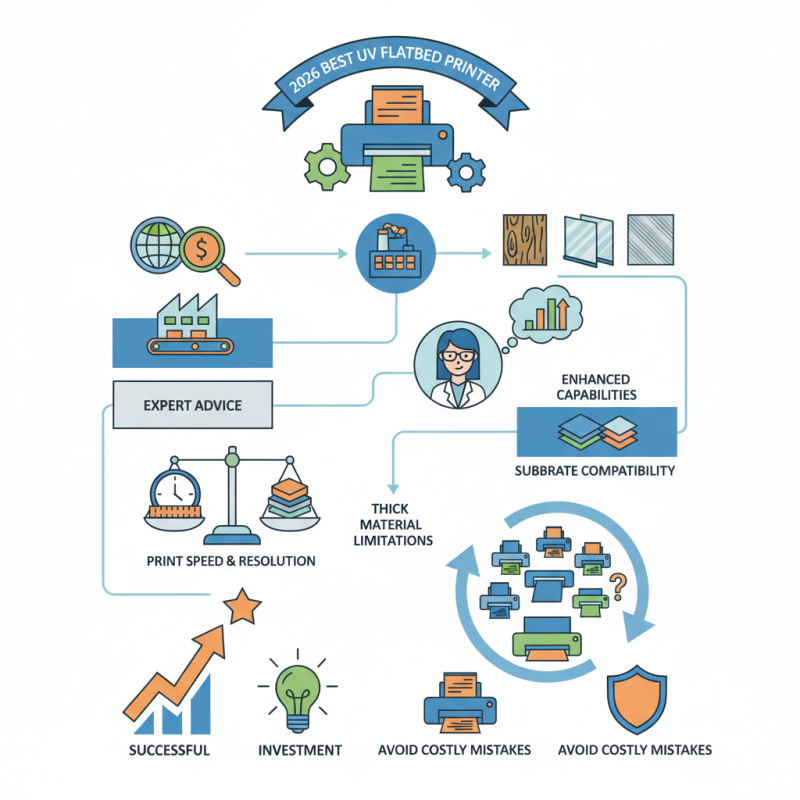
Despite the advancements, selecting the best Uv Flatbed Printer requires careful consideration. Buyers must navigate factors like print speed, resolution, and substrate compatibility. Not every printer will meet all needs. For instance, some may lack the ability to print on thicker materials. This oversight can lead to production delays and increased costs.
Moreover, the market is flooded with options, making it challenging to identify the right choice. Buyers must do thorough research and possibly seek expert advice. The benefits of a proper investment in a Uv Flatbed Printer can outweigh the initial challenges. However, being informed is crucial to avoid costly mistakes in this competitive landscape.
Top Features to Consider in a UV Flatbed Printer
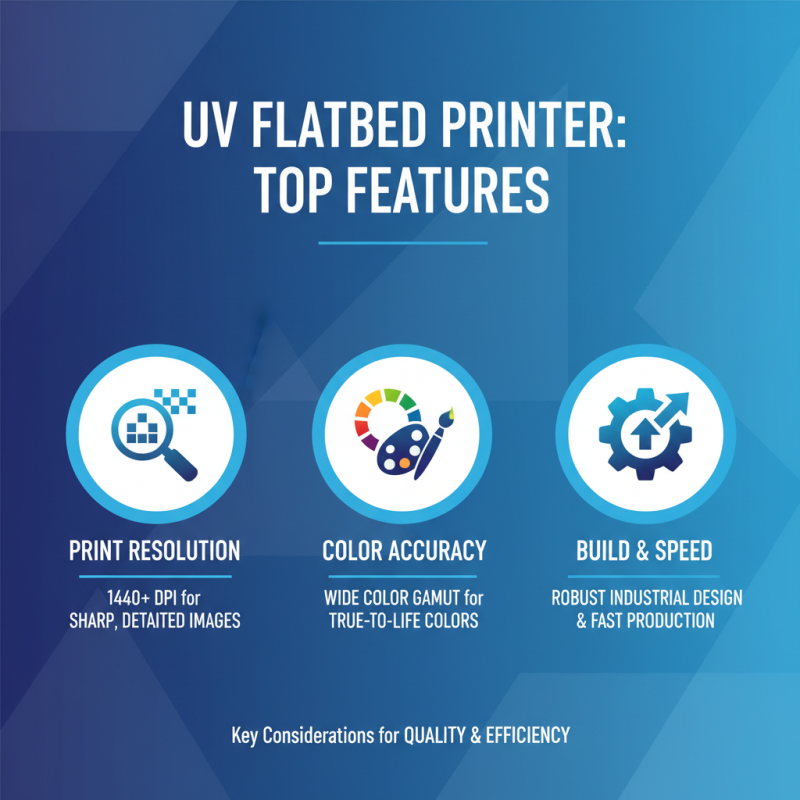
When selecting a UV flatbed printer, several key features can make a significant difference. First, consider the print resolution. High resolution is essential for detailed images. A printer with a resolution of at least 1440 dpi will produce sharp and vibrant prints. Additionally, the color accuracy plays a vital role. Look for printers that offer a wide color gamut to ensure your prints have true-to-life colors.
Another important feature is the material compatibility. Check whether the printer can handle various substrates, such as wood, acrylic, and metal. Versatility is crucial for meeting diverse customer needs. Moreover, a robust ink system is necessary for durability and longevity. Consider printers with eco-friendly inks that are safe to use.
**Tips:** Always test print samples before committing. Understand the printer's limitations. Regular maintenance can prevent issues down the line.
Consider the printer's operational efficiency as well. Speed can impact productivity. But remember, faster printing does not always mean better quality. There’s often a trade-off. Also, investigate the support and warranty options provided by suppliers. Reliable support can save time and money in the long run.
**Tips:** Read reviews and seek expert opinions. Don’t hesitate to ask for demonstrations. Investing time in research is crucial for informed decisions.
Leading Brands of UV Flatbed Printers in 2026
In 2026, the UV flatbed printer market is evolving rapidly. Leading brands are adopting advanced technologies to meet diverse printing needs. According to industry reports, the global UV flatbed printer market is expected to grow at a compound annual growth rate (CAGR) of around 5.3% between 2021 and 2026. This growth reflects increased demand across various sectors, including signage, packaging, and décor.
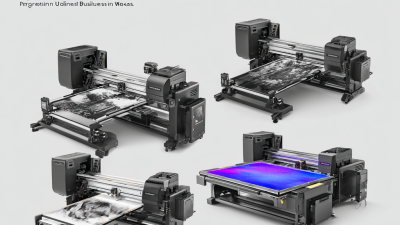
Several brands dominate this landscape, offering high-quality printers with versatile applications. These printers can handle various materials, from wood to glass, ensuring impressive print quality. Industry insights indicate that users prioritize speed and efficiency. One report highlights that 60% of users consider these factors critical in their purchasing decisions. However, the high initial costs and maintenance challenges still prompt reflection among buyers.
Sustainability is another pressing concern. Leading manufacturers are making strides in eco-friendly inks and energy-efficient technologies. However, many businesses are unsure about transitioning to these greener solutions. Some reports suggest that while interest is high, only 30% of companies have fully implemented sustainable practices in their printing processes. Thus, while innovation is prominent, the journey towards sustainability remains ongoing.
2026 Best UV Flatbed Printer for Global Buyers
| Model |
Max Print Size (mm) |
Print Resolution (DPI) |
Speed (m²/h) |
Price Range (USD) |
Key Features |
| Model A |
2500 x 1300 |
1200 |
30 |
$25,000 - $30,000 |
High durability, eco-friendly inks |
| Model B |
3000 x 2000 |
1440 |
45 |
$35,000 - $40,000 |
Multi-layer printing, automatic height adjustment |
| Model C |
2000 x 1000 |
600 |
20 |
$18,000 - $22,000 |
Compact design, user-friendly interface |
| Model D |
4000 x 2500 |
1800 |
60 |
$50,000 - $60,000 |
High speed, versatile material compatibility |
| Model E |
1500 x 800 |
720 |
15 |
$10,000 - $15,000 |
Portable, affordable |
Comparative Analysis of Price and Performance
When considering a flatbed printer for 2026, how do you assess price versus performance? To start, it's crucial to analyze the specifications of various models. High-quality UV printers offer vibrant color reproduction and durability. However, prices can range significantly, impacting your choices.
One key performance metric is print speed. Some printers excel in quick job completion but may sacrifice image quality. A careful balance is necessary. Budget-conscious buyers may need to compromise on features. It’s important to evaluate long-term costs alongside upfront prices. Maintenance and ink expenses can add up, affecting overall cost-effectiveness.
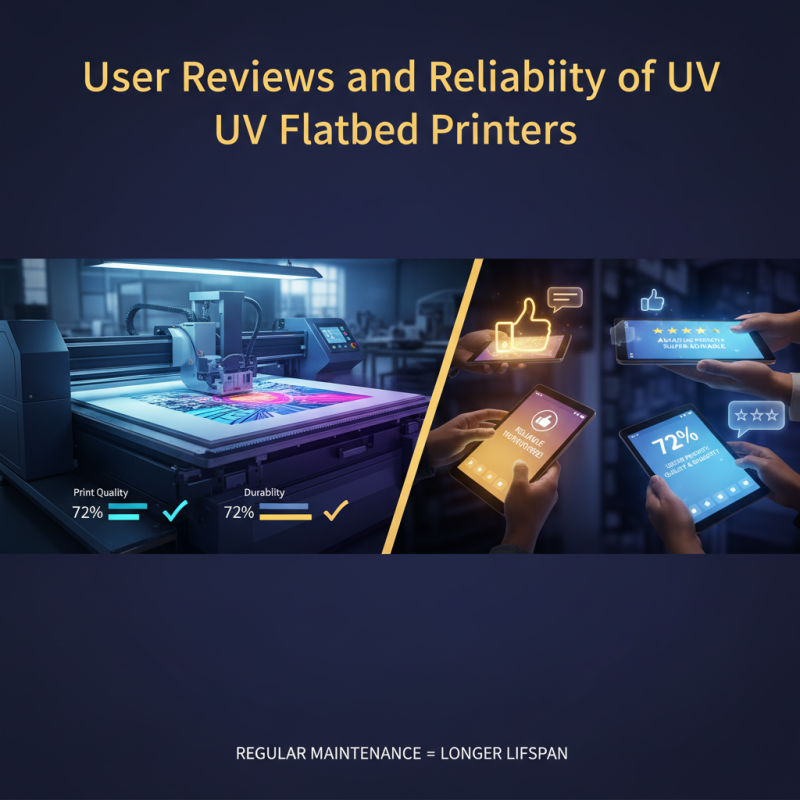
Evaluating user reviews contributes to making an informed decision. Feedback often highlights user experiences that reveal both strengths and weaknesses of specific models. Many printers claim high performance, but experiences can vary. Seeking out real-world insights will provide clarity and guide to the best options.
Applications and Industries Benefiting from UV Flatbed Printing
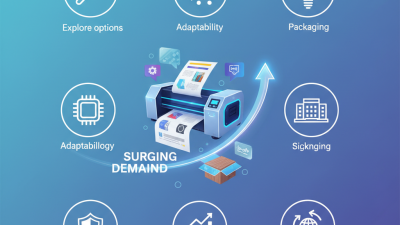
UV flatbed printing is revolutionizing numerous industries by offering unparalleled versatility and quality. According to a report by Smithers Pira, the global UV printing market is projected to reach $28.6 billion by 2026. This growth is largely driven by the demand in sectors like packaging, signage, and décor, where customization and durability are paramount.
The signage industry, in particular, has seen significant advancements due to UV flatbed technology. The ability to print directly onto various substrates—including wood, metal, and glass—allows businesses to create unique, vibrant displays. A 2022 market analysis revealed that 45% of signage companies reported increased client demand for high-quality, customizable options. Furthermore, many businesses are focusing on sustainability, as UV inks reduce waste by allowing for immediate curing and eliminating the need for excessive solvents.
In the packaging sector, UV flatbed printing enables quick turnaround times and the ability to produce short runs. This technology caters to the rise of e-commerce and the need for personalized packaging solutions. However, challenges remain, such as initial equipment costs and the learning curve for operators. Many companies are still exploring how to maximize their investments while ensuring quality output. As the industry evolves, ongoing training and adaptation are critical for success in this competitive landscape.
2026 Best UV Flatbed Printer Applications and Industries