Top 10 Multifunctional UV Printer Types for Global Buyers?
Global buyers are rethinking equipment as short runs, customization, and faster delivery reshape commercial printing. Smithers’ recent digital print market analysis identifies continued growth in digital production, driven by variable data, reduced setup time, and on-demand manufacturing. These trends place multifunctional equipment under stronger pressure.
A Multifunctional Uv Printer can print on rigid boards, flexible films, wood, glass, acrylic, metal, and selected textiles. Some models also support white ink, varnish, primer, roll-to-roll printing, or laser-assisted finishing. That flexibility sounds impressive. However, capability lists can hide practical limits. Ink adhesion, curing consistency, bed size, maintenance routines, and operator training often determine real productivity.
This guide examines ten multifunctional UV printer types for international buyers. It considers flatbed, hybrid, roll-to-roll, rotary, DTF-compatible, varnish-enabled, and industrial configurations. Data from Grand View Research continues to show strong expansion in digital printing and UV-curable applications, while FESPA industry research highlights investment in automation, sustainability, and workflow efficiency. These reports support the market direction, but they cannot choose a machine for every factory.
The right printer depends on substrates, production volume, local service, ink availability, and compliance requirements. A compact printer may suit personalized signage. A larger hybrid system may handle retail displays and packaging prototypes. Neither is automatically better. Buyers should compare total operating cost, not only purchase price. Sample testing remains essential. Real materials reveal problems early. Surprisingly, many purchasing decisions still rely on brochures. That deserves more careful reflection.
Define Multifunctional UV Printers Through UV-LED Curing and CMYK+White Inks
Top 10 Multifunctional UV Printer Types for Global Buyers?
Define Multifunctional UV Printers Through UV-LED Curing and CMYK+White Inks
A multifunctional UV printer combines several print functions in one platform. Common formats include flatbed, roll-to-roll, hybrid, textile, and rotary configurations. The defining technology is UV-LED curing. These lamps cure ink immediately after deposition, creating sharp edges and reducing drying time. Production feels faster.
CMYK inks create color images, while white ink adds opacity and contrast. A white layer can sit beneath color on black acrylic, wood, glass, or transparent film. It may also print above color for special visual effects. Experienced operators check nozzle status, ink circulation, and lamp intensity before a long run. Small changes matter.
Material testing remains essential. A glossy panel may look attractive but still show weak adhesion after handling. Wiping the surface, adjusting print height, and curing in controlled passes can improve results. Still, UV ink is not universally suitable. Heat-sensitive films can deform, and textured materials may require multiple white passes. More ink is not always better. I have seen dense white layers crack when flexibility was ignored. Global buyers should request test samples, curing data, and maintenance procedures before comparing machine speed. The fastest specification may not produce the most reliable finished goods.
Compare Printer Specifications: Up to 1,440 dpi and 3.2 m Print Width
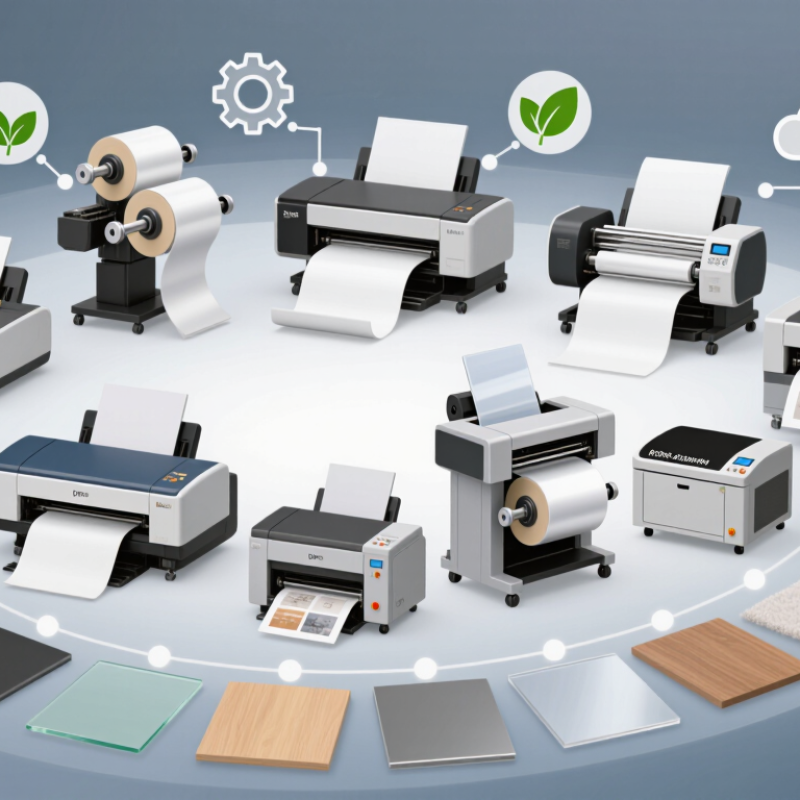
Global buyers often compare multifunctional UV printers by application first, then by measurable output. Flatbed, roll-to-roll, hybrid, cylindrical, belt, desktop, high-speed, white-ink, varnish, and textile-capable models serve different workflows. However, a large specification sheet needs careful reading.
Resolution matters. Up to 1,440 dpi can produce sharp text, fine gradients, and small product markings. Real detail depends on ink placement, curing control, media surface, and viewing distance. During production checks, I compare test charts instead of trusting the headline number. A 1,440 dpi mode may reduce speed. That trade-off is easy to miss.
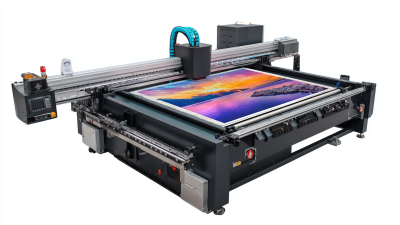
Print width changes the buying equation. A 3.2 m machine can handle wide panels, banners, interior graphics, and joined layouts with fewer seams. Yet it requires floor space, stable power, ventilation, and trained operators. Flatbed and hybrid types can improve rigid-sheet registration. Roll-to-roll systems usually reduce handling for flexible media. Cylindrical units fit bottles and tubes, while compact desktop models suit samples and short runs.
Multifunctional does not mean universally efficient. White ink and varnish may expand applications, but they can increase maintenance. Buyers should request samples on actual media and ask for measured speed at the chosen resolution. I still allow room for error: unfamiliar materials can expose weaknesses that a clean sample hides.
Match UV Printer Types with Substrates, Applications, and Production Volumes
Top 10 Multifunctional UV Printer Types for Global Buyers
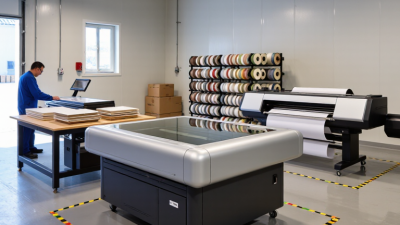
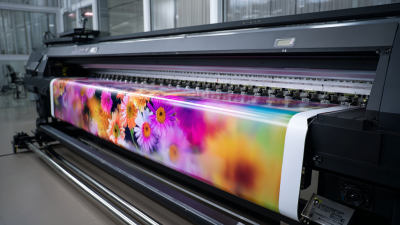
Choosing a UV printer starts with the substrate, not the machine label. Flatbed models suit acrylic, glass, wood, metal sheets, and rigid signage. Roll-to-roll models handle vinyl, wallpaper, banners, films, and flexible packaging samples. Hybrid printers combine both workflows for shops with mixed orders. Desktop and A3 models fit personalized gifts, small panels, and short production runs. Rotary UV printers add direct printing on bottles, tumblers, tubes, and other cylindrical objects.
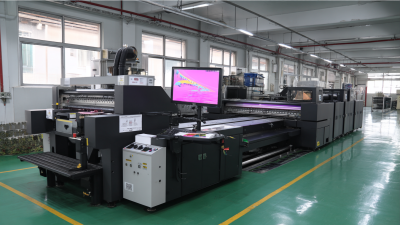
For higher volumes, belt-fed printers support continuous boards and long sheets with fewer manual adjustments. High-drophead models print over uneven objects, including textured décor and assembled products. Printers with white ink improve dark substrates and transparent media. Varnish or spot-layer systems create gloss details, raised effects, and protective finishes. Industrial multi-pass machines prioritize stable color output, while faster single-pass systems favor demanding production schedules. Speed claims can mislead when curing, cleaning, and setup time are ignored.
Tips:
Test the actual substrate before purchasing. Check ink adhesion, curing depth, color consistency, and scratch resistance. Measure weekly output, not your busiest day. A compact printer may outperform a large system when orders are irregular. I have seen buyers underestimate drying space and operator training. That mistake is expensive. Also ask about printhead maintenance, ventilation requirements, local service access, and compatible media. No type fits every workshop. Allow room for exceptions.
Evaluate Total Cost, Energy Efficiency, Safety Standards, and Global Support
Top 10 Multifunctional UV Printer Types for Global Buyers
Multifunctional UV printers include flatbed, roll-to-roll, hybrid, and compact desktop models. Each type serves different production habits. A flatbed may handle rigid boards, while a hybrid adds flexible media. Purchase price is only one part of ownership. Ink usage, printhead replacement, cleaning fluid, electricity, software, and operator training can change the final cost. I have seen buyers choose cheaper machines, then struggle with expensive maintenance.
Tips: Request a three-year cost estimate. Compare daily power use, curing-lamp efficiency, ink yield, warranty coverage, and spare-part delivery. Ask for sample prints using your actual materials. Small details matter.
Energy efficiency deserves practical testing. Measure consumption during standby, printing, and curing cycles. A printer using less power may print more slowly, so the hourly cost can still rise. Safety requires enclosed moving parts, controlled UV exposure, ventilation, emergency stops, and clear chemical handling instructions. Check recognized safety certifications for your destination market. Requirements differ across regions. Do not assume one certificate works everywhere. Global support should include multilingual manuals, remote diagnostics, local technicians, and documented response times. This is often overlooked. A reliable support network can protect production schedules, although no supplier can remove every operational risk.
Top 10 Multifunctional UV Printer Types for Global Buyers
Comparative benchmark of total cost, energy efficiency, safety readiness, and global supportability. Higher scores indicate a more favorable overall position.
Total cost index: Considers typical equipment investment, consumables, maintenance, and expected operating expenses over a five-year period.
Energy efficiency: Reflects the relative energy demand of LED-UV curing, vacuum systems, media handling, and typical production throughput.
Safety readiness: Reflects the availability of shielding, ventilation options, interlocks, electrical safeguards, and established UV-ink handling practices.
Global supportability: Reflects common parts availability, technician familiarity, remote diagnostics, training needs, and logistics suitability across regions.
Scores are normalized comparative benchmarks for common commercial configurations, not brand-specific ratings. Actual results vary with print width, production volume, ink system, local electricity prices, installation requirements, and service contracts.