What Is the Best Home UV Printer in 2026?
Choosing the best Home Uv Printer in 2026 requires more than comparing prices and glossy sample images. A reliable choice must fit your workspace, materials, skill level, and production goals. The right machine should print sharply on wood, acrylic, leather, coated metal, and other suitable surfaces. It should also offer stable ink performance, practical software, dependable curing, and responsive technical support.
UV printing specialist David Gross has often emphasized a simple principle: “Print quality begins with substrate preparation, not the machine.” That observation remains important for home users. A dusty acrylic sheet can ruin an otherwise excellent print. Uneven surfaces can create banding, weak adhesion, or blurred edges. Ventilation, workspace temperature, and routine maintenance also influence daily results. These details are easy to underestimate.
This guide compares Home Uv Printer options through real-world criteria, including print resolution, bed size, white-ink handling, varnish effects, noise, setup difficulty, and long-term running costs. It also considers whether each printer suits hobby projects, personalized gifts, small-batch products, or professional work from a home studio. Some affordable models appear attractive, but their savings may disappear through clogged nozzles, limited support, or expensive replacement parts. That deserves honest attention.
No printer wins every category. A compact model may save space but restrict larger designs. A faster machine may demand more cleaning. Even expert recommendations can miss the needs of a particular user. The sections ahead examine these trade-offs carefully, helping readers choose a practical and trustworthy Home Uv Printer for 2026.
What Is a Home UV Printer and How Does It Work?
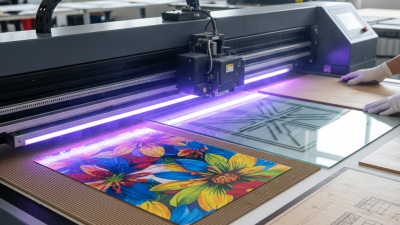
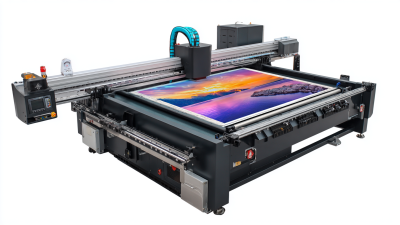
A home UV printer is a compact digital printer that places ink directly onto materials such as wood, acrylic, glass, leather, and coated paper. Unlike ordinary inkjet equipment, it uses ultraviolet LEDs to cure each ink layer almost immediately. The ink hardens when exposed to UV light, rather than drying through evaporation. It is surprisingly precise.
Inside the printer, piezoelectric printheads release tiny droplets in controlled patterns. White ink can create a bright base on dark surfaces, while clear ink can add texture or a glossy finish. Some machines print on flat objects; others handle cylindrical items with an attachment. According to Grand View Research, the global digital printing market was valued at approximately USD 36 billion in 2022, with continued growth forecast through 2030. That growth reflects wider demand for short-run, customized production.
A home setup still needs careful planning. UV curing reduces drying time, but uncured ink may irritate skin and eyes. The U.S. Environmental Protection Agency notes that UV-curable systems can reduce volatile organic compound emissions compared with some solvent-based processes. They do not remove every safety concern. Use ventilation, protective gloves, and the ink manufacturer’s safety data sheet. A small room can become inconvenient quickly. In practical use, substrate testing matters more than advertised speed. Dust, uneven surfaces, and incorrect curing settings can cause weak adhesion. I initially underestimated that part.
Which Features Matter Most in a Home UV Printer?
The best home UV printer in 2026 is not simply the fastest model. The right choice depends on space, materials, noise, and maintenance habits. A compact machine should fit on a stable, level table, with enough room for ventilation and print access. Measure your workspace carefully. A few centimeters can matter.
Print quality depends on more than resolution. Look for consistent droplet control, accurate color profiles, and reliable white ink performance. White ink helps create vivid images on dark acrylic, wood, glass, and coated metal. However, it can settle when unused. An automatic circulation system reduces this risk, but daily checks remain important. I would also test fine text, skin tones, and solid color blocks before buying.
Material compatibility is another key feature. Confirm the printer supports the surfaces you actually use, not only sample materials. Adjustable print height is valuable for uneven objects. A clear software interface saves time, especially when preparing repeated orders. Safety features matter too, including a covered curing area, emergency stopping, and clear ventilation guidance. Noise deserves attention in a home office. Some machines sound acceptable for ten minutes, then become distracting. My preference is not absolute. A larger bed may improve productivity, but it also increases cost, cleaning time, and unused space. Consider service access, replacement parts, and written maintenance instructions before trusting impressive specifications.
What Is the Best Home UV Printer in 2026?
Which Features Matter Most in a Home UV Printer?
This 100-point home-use priority index emphasizes safety, ease of maintenance, and practical operation rather than brand reputation. UV shielding and ventilation rank highest because UV curing systems and ink handling require controlled exposure and good air management. Automatic maintenance, compact size, print quality, and running cost are also important for occasional users with limited workspace.
How to Compare the Best Home UV Printers in 2026
What Is the Best Home UV Printer in 2026?
Comparing the best home UV printers in 2026 requires more than checking print resolution. In my experience, practical fit matters most. Measure your workspace first. A compact printer may still need rear clearance, ventilation, and space for cleaning. Check the maximum print height and supported materials, including acrylic, wood, leather, and coated items. Some machines accept many surfaces but perform unevenly without proper preparation.
Print quality should be judged with small text, skin-tone images, and sharp edges. Ask for sample prints before buying. Speed claims can be misleading because detailed, layered printing takes longer. Compare ink usage, replacement parts, warranty coverage, and software support. A cheaper machine may become expensive after several maintenance cycles. I once underestimated cleaning time. That mistake changed my buying priorities.
Tips: Keep a simple cost sheet. Record ink use, cleaning supplies, electricity, and rejected items. Test white ink regularly, especially after quiet periods. Choose a printer with clear maintenance instructions and accessible customer support. Safety also matters. Use the printer in a clean, ventilated room, and follow the manufacturer’s curing and handling guidance. Never judge a model from one attractive sample. Print your own test designs, inspect them under bright light, and question results that seem unusually perfect.
What Materials Can Home UV Printers Print On?
What Is the Best Home UV Printer in 2026?
What Materials Can Home UV Printers Print On?
The best home UV printer depends on the materials you actually use. Most desktop UV systems can print on acrylic, glass, ceramic tiles, coated wood, metal sheets, leather, and rigid plastics. They cure ink instantly with ultraviolet light, leaving sharp details and a slightly raised surface. According to Grand View Research, the global digital printing market was valued at about $36.9 billion in 2023. That growth reflects wider demand for short-run, customized products across varied substrates.
Material preparation matters more than many beginners expect. Smooth acrylic may need cleaning and a suitable primer. Bare metal can reject ink without proper surface treatment. Wood absorbs ink, so colors may appear softer than expected. Flexible plastics also require testing because some surfaces bend, release oils, or expand under heat. I once assumed every flat sheet would print equally well. That was wrong.
The most reliable choices are rigid, clean, and stable materials. Smithers projects the digital packaging print market to reach approximately $36 billion by 2028, showing how quickly substrate compatibility is developing. However, home users should still test small samples before buying large blanks. Check adhesion with tape, rub the printed area, and inspect it after 24 hours. Avoid unverified food-contact, skin-contact, or children’s products. The ink may look cured, yet performance can remain inconsistent.
How to Choose the Right Home UV Printer for Your Needs
What Is the Best Home UV Printer in 2026?
Choosing the right home UV printer starts with your materials, not advertised speed. Measure your usual products, such as phone cases, acrylic signs, wood panels, or coated metal. A compact flatbed printer suits small items better than a wide-format machine. According to Smithers’ 2024 digital print report, packaging and specialty print are moving toward shorter, customized production runs. That trend supports home printing, but it does not justify buying excessive capacity.
Check the print area, layer height, white-ink function, and curing system.
White ink improves dark surfaces, while varnish can add a raised, glossy finish. However, white ink often needs regular circulation and cleaning. Miss one maintenance session, and blocked nozzles may follow.
The Occupational Safety and Health Administration highlights the importance of ventilation when handling printing chemicals and ultraviolet-curable materials. A spare room may not be suitable. Noise matters, too. Listen before purchasing.
Review the total cost over twelve months. Include ink, cleaning fluid, replacement parts, ventilation, electricity, and failed samples. Grand View Research reports continued growth in the global digital printing market, but market growth does not guarantee affordable home ownership.
I would choose reliable software and accessible service over the highest resolution. My first test would use ten identical blanks, measured under the same lighting. Results can disappoint. That is useful data. A printer that fits your workspace, materials, skills, and maintenance tolerance is usually the better choice.