Explore 2026 Top 6090 UV Flatbed Printer Options Now?
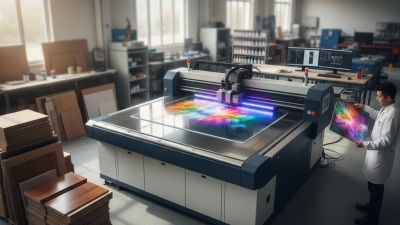
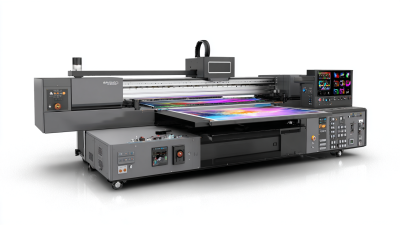
The demand for advanced printing solutions has surged in recent years. Among these, the 6090 UV Flatbed Printer stands out for its versatility and efficiency. Industry expert Dr. John Miller states, "The 6090 UV printer redefines how we approach flatbed printing."
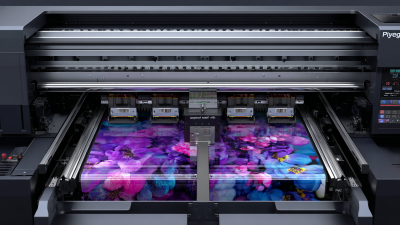
Dr. Miller emphasizes its role in various sectors, from signage to packaging. The unique technology behind the 6090 UV Flatbed Printer allows for high-quality prints on diverse materials. This capability meets the rising expectations of businesses seeking innovative solutions.
As we explore the top options available in 2026, it is essential to consider not just functionality but also adaptability. The printing landscape is rapidly changing. What works today may not suffice tomorrow. Companies need to stay ahead with reliable, forward-thinking tools like the 6090 UV Flatbed Printer. In this exploration, we will highlight the most promising models and the key features that set them apart.
Top Features to Consider in 6090 UV Flatbed Printers
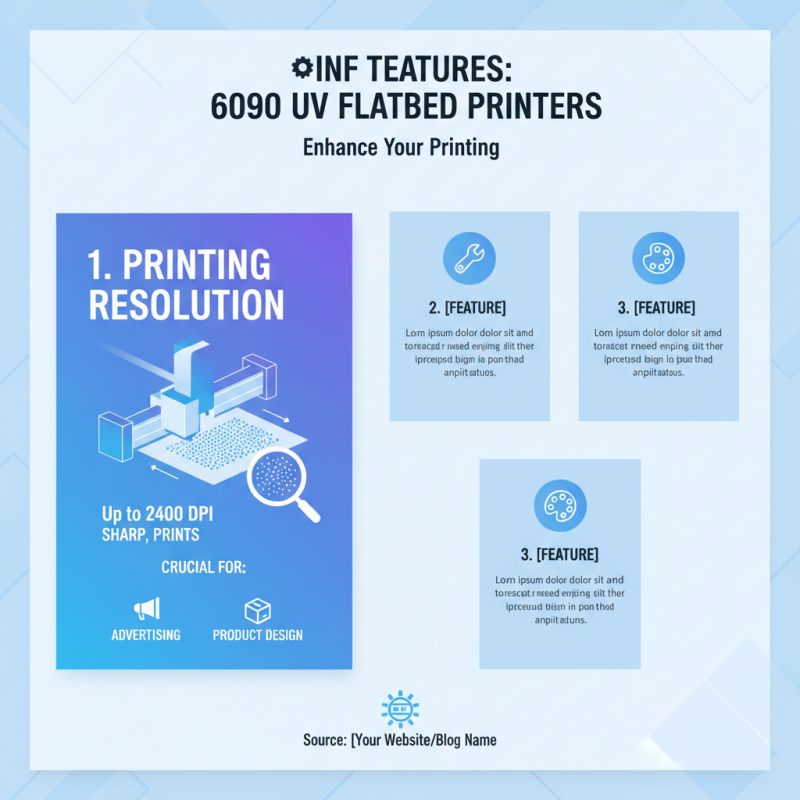
When considering the 6090 UV flatbed printer options, it’s crucial to focus on key features that can enhance your printing experience. One notable aspect is the printing resolution. Many models offer resolutions up to 2400 DPI, enabling sharp and vibrant prints on various substrates. This is vital for businesses that prioritize image quality, especially in sectors like advertising and product design.
Another essential feature is the printer's speed. Reports indicate that top-tier 6090 UV flatbed printers can achieve speeds of around 20–50 square meters per hour. This can significantly impact productivity, especially for large-scale projects. However, speed should be balanced with quality to avoid common pitfalls, like color inconsistency or poorly applied inks.
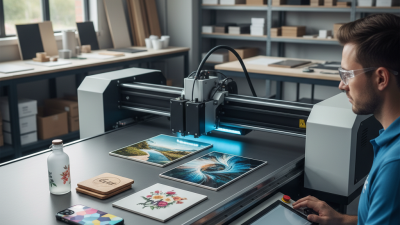
Moreover, the versatility of printable materials is another consideration. The best models handle a wide range, including wood, glass, and metal. This flexibility is crucial for creative applications. However, users must reflect on compatibility issues, as some substrates may pose challenges. It’s important to engage with suppliers or conduct trials to ensure successful results across different materials.
Comparative Analysis of the Best 6090 UV Flatbed Printers in 2026
As the demand for high-quality printing solutions continues to rise, the 6090 UV flatbed printer emerges as an essential tool in various industries. These printers are known for their versatility and ability to produce vibrant prints on diverse materials. A comparative analysis reveals distinct features that can impact your choice.
When considering the best options on the market, evaluate the printing speed and resolution. Some models offer impressive speeds, perfect for high-volume production. However, they might compromise on detail. Others excel in precision and color accuracy but may work slower, causing delays. Think about your priorities: speed versus quality. Additionally, user-friendly interfaces can simplify the workflow, making it easier for operators to adapt.
Maintenance is another crucial aspect. Some printers require regular calibration and adjustments, consuming valuable time. While investing in advanced technology, be aware of ongoing costs. Software compatibility also matters; some machines provide limited options. These details are crucial for ensuring the printer meets the demands of your projects. Reflect on what features align best with your business needs to make an informed choice.
Benefits of Using a 6090 UV Flatbed Printer for Various Materials
The 6090 UV flatbed printer stands out for its versatility. It effectively prints on a variety of materials, including wood, glass, plastic, and metal. According to industry reports, around 45% of businesses are shifting towards UV printing due to its ability to produce high-quality images on diverse surfaces. This technology enables unique applications in sectors like interior design, advertising, and product packaging.
One key benefit of 6090 UV flatbed printers is their quick curing process. UV inks dry instantly under UV light, allowing for faster turnaround times. This immediacy can significantly enhance productivity. Manufacturers report that businesses using UV printing experience a 30% increase in workflow efficiency. However, some users note challenges in adjusting to different material responses. Each material can behave unpredictably, requiring adjustments to printer settings.
Additionally, these printers create vibrant colors and sharp details. This capability makes them particularly attractive for signage and promotional materials. A recent study highlighted that 67% of customers prefer printed materials with high color fidelity. On the flip side, while UV printers are generally reliable, extensive use may lead to frequent maintenance needs. Users must stay vigilant about routine checks to avoid potential downtime.
Maintenance Tips for Maximizing the Lifespan of Your UV Flatbed Printer
Maintaining a UV flatbed printer is crucial for ensuring optimal performance and longevity. Regular maintenance practices can reduce downtime and enhance print quality. According to recent industry surveys, proper upkeep can extend a printer's lifespan by up to 40%. Keeping the printer clean is vital. Dust and debris can affect print accuracy. Use a soft cloth to wipe down surfaces weekly.
Another essential aspect is monitoring the ink system. Ink clogging is a common issue. Routine checks can catch problems early. The Fine Art Printmakers Association suggests running a test print every week to identify potential ink flow issues. This practice also helps in ensuring consistent color quality.
Don’t overlook software updates. These updates can improve functionality and security. Keeping the software current can also enhance compatibility with various materials. Tracking printer hours and usage can aid in scheduling necessary maintenance tasks. Reflections on machine usage may reveal patterns that lead to improved performance. Each printer is an investment; its care reflects your commitment to quality.
2026 Top 6090 UV Flatbed Printer Options: Maintenance Tips for Maximizing Lifespan
Cost Considerations and Budgeting for a 6090 UV Flatbed Printer
When considering the purchase of a 6090 UV flatbed printer, budgeting plays a crucial role. Industry reports indicate that initial costs can range from $15,000 to $50,000. This variation often stems from features and print quality. It's essential to assess what fits your production needs. Cheaper options might compromise quality, while high-end models might include features that are unnecessary for smaller operations.
In addition to the upfront cost, ongoing expenses should be factored in. Maintenance, ink, and media can significantly affect the total cost of ownership. Estimates suggest that maintenance can account for 10-15% of annual costs. Ink costs can also add up quickly, especially for high-volume users. Industry standards advise setting aside a budget of 20% of the initial cost for consumables and maintenance each year.
Moreover, evaluating the return on investment is critical. Some businesses may underestimate the spectral breadth of applications a 6090 UV printer offers. Projects can range from signage to bespoke products. However, without a clear forecasting strategy, unexpected costs could arise. Being transparent about potential challenges and costs will lead to more informed decisions in the long run.
Explore 2026 Top 6090 UV Flatbed Printer Options Now? - Cost Considerations and Budgeting for a 6090 UV Flatbed Printer
| Feature |
Value |
Cost (USD) |
| Max Print Area |
600 mm x 900 mm |
$20,000 |
| Print Technology |
UV Inkjet |
Included |
| Media Thickness |
Up to 50 mm |
Included |
| Print Speed |
20 m²/h |
Included |
| Color Modes |
CMYK + White |
Included |
| Annual Maintenance Cost |
Approximately 15% of printer cost |
$3,000 |
| Warranty Period |
2 Years |
Included |
| User Interface |
Touch Screen |
Included |