2026 How to Choose a 2513 Uv Flatbed Printer for Your Business?
Choosing the right 2513 UV flatbed printer is crucial for your business. This decision impacts your production quality and efficiency. Many factors come into play when selecting the right model.
A 2513 UV flatbed printer offers unique capabilities. It prints on various substrates, including wood, metal, and acrylic. This versatility is essential for businesses aiming to expand their service offerings. However, understanding technical specifications can be daunting.
Consider the print resolution and speed. High-quality output is vital, but it must also meet your production timelines. Additionally, reliability in the long run affects your return on investment. Take the time to research different brands and models. Customer reviews can provide insight. Choosing a printer isn't just about features; it requires aligning with your business goals and understanding your market. Reflect on your specific needs before making a purchase.
Understanding the Basics of UV Flatbed Printers for 2026
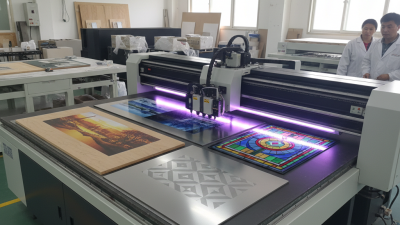
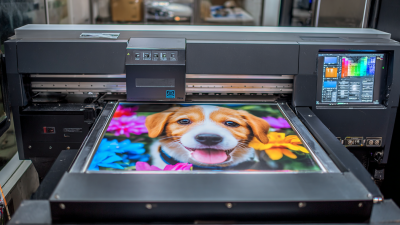
Understanding UV flatbed printers is crucial for businesses looking to enhance their printing capabilities. These printers excel at producing high-quality images on various materials, from wood to acrylic. They use UV light to cure ink, which creates durable and vibrant prints. This technology offers flexibility, allowing for intricate designs that traditional printers cannot achieve.
When considering a UV flatbed printer for your business, it's essential to evaluate your specific needs. Think about the types of projects you plan to tackle. Do you focus on large formats or smaller jobs? The right printer can make a significant difference in meeting client demands. However, not all UV printers are created equal. Performance can vary widely based on build quality, ink type, and print speed.
Investing in this technology can have drawbacks as well. The initial cost is high, leading to a longer return on investment period. Additionally, maintenance can be complex, requiring technical expertise. It's important to assess whether the benefits, such as flexibility and print quality, outweigh potential challenges. Understanding these aspects helps you make a more informed choice for your business.
Key Features to Consider in a 2513 UV Flatbed Printer
When selecting a 2513 UV flatbed printer for your business, focus on key features. One critical aspect is print resolution. High resolution ensures crisp, vibrant images. Studies indicate that a resolution of at least 1200 DPI is optimal for professional applications. This is essential for detailed graphics, especially if your projects involve intricate designs.
Another feature to consider is material compatibility. A versatile printer can handle various substrates, including wood, glass, and metal. Industry reports suggest that businesses using multi-surface printers increase their service offerings by up to 30%. This flexibility can open new revenue streams and attract diverse clientele.
Pay attention to machine speed as well. A slower printer can severely impact productivity. Look for a model that can consistently deliver high-quality prints at a speed of at least 40 square meters per hour. Some users may find the learning curve daunting, given the complexity of calibration and maintenance tasks. Regular training and support are crucial for staff, ensuring they make the most of the equipment.
Consider the overall cost of ownership, too. This includes maintenance, ink costs, and energy consumption. According to industry averages, up to 15% of a printer's total cost comes from operational expenses. Reflect on whether the potential returns justify the investment.
Key Features to Consider in a 2513 UV Flatbed Printer
Assessing Your Business Needs for a 2513 UV Flatbed Printer
When selecting a 2513 UV flatbed printer for your business, it's vital to assess your specific needs. The first step is understanding what materials you will print on. Are you targeting wood, glass, or plastic? Each surface can behave differently, influencing the type of printer you should choose. Think about the size of the items you often print on, as a larger bed might be necessary for your operations.
Another key factor is your desired print quality. Higher resolution typically means better detail, but it often comes with increased costs and longer print times. You need balance; sometimes, faster production rates can lead to a compromise in quality. Enhancing color depth versus speed is a common dilemma in print production.
Consider your workflow. Evaluate your current processes and how a new printer would integrate with them. Will it streamline operations, or complicate them? Introducing new equipment should ideally improve your efficiency. Reflect on future growth too. Purchasing a printer that meets current needs but limits future expansion could be a misstep. Your choice should leave room for your business to evolve and adapt.
Comparing Costs: Initial Investment and Operating Expenses
When selecting a 2513 UV flatbed printer for your business, understanding the costs associated with initial investment and operating expenses is critical. The upfront cost for a high-quality UV flatbed printer can range from $100,000 to $300,000, depending on specifications and features. This investment includes not only the printer itself but also installation and training costs. Accurate budgeting requires considering these additional expenses.
Operating costs often include maintenance, materials, and labor. Maintenance may add up to 10% of the initial price annually. According to industry reports, ink costs can vary widely, often reaching $0.05 to $0.08 per square foot for high-quality inks. This adds significant overhead when printing larger batches. Labor is another variable; trained operators may demand higher wages, influencing overall expenses.
Business owners sometimes overlook hidden costs, such as energy consumption. UV printers can consume considerable electricity, raising utility bills. Reviewing these factors thoroughly helps in making an informed decision. Understanding these operational dynamics ensures better planning and long-term profitability in your investment.
Evaluating Manufacturer Support and Warranty Options for 2513 Printers
When choosing a 2513 UV flatbed printer, evaluating manufacturer support and warranty options is crucial. The right support can prevent costly downtime. A report by the International Printing and Imaging Association states that 70% of businesses experience equipment-related disruptions. A solid support system can significantly reduce these instances.
Consider the warranty details provided by the manufacturer. A typical warranty for a UV printer might last between one and three years. During this period, issues covered may include parts, labor, and even technical support, depending on the terms. This coverage is vital. It ensures that if problems arise, you won't face unexpected financial burdens.
Tips for selecting the right support: Look into response times for service calls. A quick response can minimize downtime. Check online forums and reviews on the manufacturer's customer service. Engaging with other users can provide insights. Technical support availability is another key factor. Ensure they offer support during your operational hours. A manufacturer's commitment to service can be a game-changer for your business operations.