Digital Best Uv Flatbed Printer Options for High Quality Printing Needs?
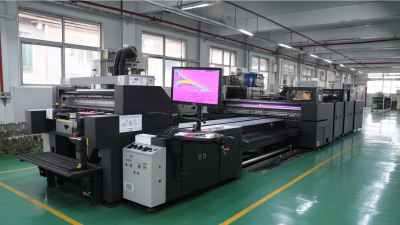
The evolution of UV flatbed printers has transformed how industries approach high-quality printing. These printers enable direct printing on various substrates. According to a recent market report, the global flatbed printer market is projected to reach USD 2.6 billion by 2025, with a significant demand for UV technology. This trend reflects growing investment in high-definition printing solutions.
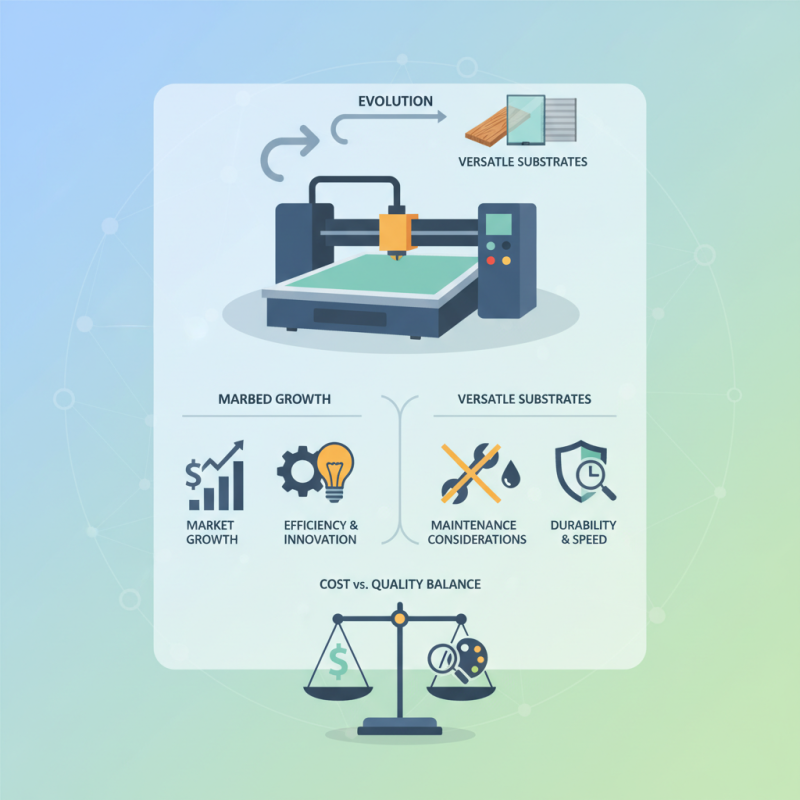
UV flatbed printers offer advantages in efficiency and versatility. They can print on materials like wood, glass, and metal without extensive setup changes. However, while the technology excels in quality, users must be aware of potential maintenance challenges. Proper care is essential to maintain print quality over time. Regular service is crucial for optimal performance.
The expansion of UV printing technology reflects industry needs for durability and speed. As more businesses adopt this technology, they face the challenge of balancing cost and quality. Evaluating options ensures investments align with specific needs without sacrificing performance. It is essential to remain informed about advancements and industry standards to make the best choice.
Types of Digital UV Flatbed Printers for Various Industries
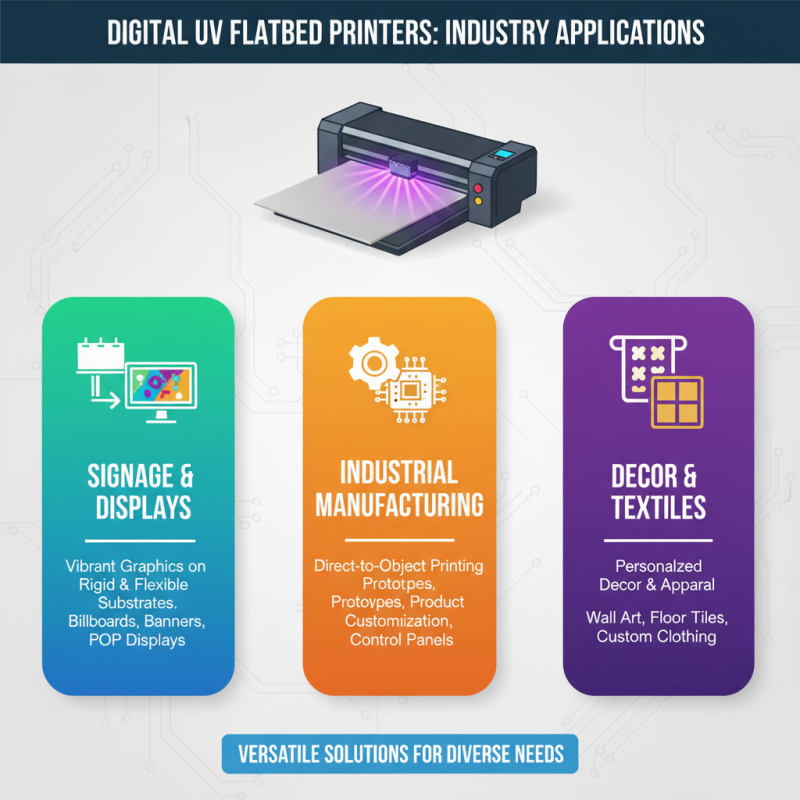
Digital UV flatbed printers are becoming essential in various industries. These printers can handle a wide range of materials, making them versatile. Industries can benefit from specific types tailored to their needs. For example, the signage and display industry often uses UV flatbed printers for vibrant graphics. These printers can produce high-quality images on rigid and flexible substrates alike.
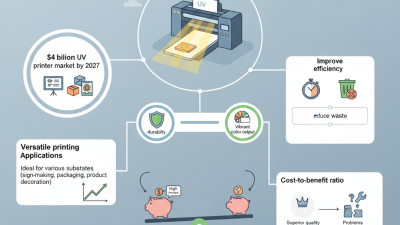
In the packaging sector, digital UV flatbed printers offer unique advantages. They can print directly on boxes and containers. This capability streamlines production processes, cutting down on the need for labels. According to a recent report by Smithers Pira, the digital printing sector is expected to grow at a CAGR of 8.7% through 2025. This growth highlights the increasing demand for innovative printing solutions across various sectors.
Textile printing is another area seeing the rise of digital UV technology. UV printers can print on fabrics with rich colors and intricate designs. Yet, the challenge remains in achieving high levels of durability on textiles. Some printers struggle with wash fastness and fading over time. Addressing these issues is crucial for advancing UV printing in textiles, as industry standards evolve. Manufacturers must continually innovate to meet these challenges and ensure reliability.
Key Features to Consider in High-Quality UV Flatbed Printers
When searching for high-quality UV flatbed printers, there are key features to examine closely. One critical aspect is print resolution. A higher DPI (dots per inch) ensures detailed and precise outputs. Look for models that support at least 1200 DPI for sharp images. Consistent results matter. Brands that offer stable performance are preferable, especially for demanding projects.
Another essential feature is the print head technology. Advanced print heads allow for finer ink droplets, enhancing clarity and vibrancy. A printer with multiple print heads can ensure faster production while maintaining high quality. Good color reproduction capabilities are vital. Ensure that the printer can handle a wide color gamut for impressive outcomes.
Tips: Always check user reviews. Real-world experiences provide insights into reliability. It’s important to consider maintenance requirements as well. Some printers may seem economical upfront but have high ongoing costs. Avoid models with excessive upkeep or difficult repairs. Reflecting on these aspects can lead to better purchasing decisions. Prioritizing needs over wants can prevent buyer’s remorse down the line.
Top Brands and Models of Digital UV Flatbed Printers Reviewed
When it comes to high-quality printing needs, selecting the right digital UV flatbed printer is crucial. Many models stand out in today's market, each offering unique features. These printers are known for their versatility and ability to print on various substrates. From wood to glass, the possibilities are vast, but not every option suits all projects.
Understanding the specifications is vital for making an informed choice. Look for printers with strong color accuracy and resolution. Some models boast higher speeds, while others excel in detail reproduction. The trade-offs can be confusing. Sometimes, a faster printer may compromise on color vibrancy, while a high-resolution model might be slower in output. Evaluating specific project requirements is essential before making a decision.
In the realm of digital UV printing, quality and reliability should never be overlooked. Regular maintenance can be a challenge, often requiring technical knowledge. It’s important to be mindful of potential issues like print head clogging or ink compatibility. These factors can impact productivity and the final outcome. Investing in reliable equipment is only part of the journey; understanding how to maximize its capabilities is just as important.
Tips for Maintaining and Optimizing UV Flatbed Printer Performance
Maintaining a UV flatbed printer requires careful attention. Regular cleaning of the print head is crucial. Dust and ink buildup can affect print quality. Use a soft, lint-free cloth for gentle cleaning. This simple step can prevent long-term damage. It’s vital to follow the manufacturer's instructions for the cleaning process.
Calibration is another important aspect. A poorly calibrated printer can lead to inconsistent colors and alignment issues. Schedule calibration checks regularly, especially after lengthy printing runs. Print a test image frequently to ensure quality remains high.
Temperature and humidity play a big role too. Ensure the printing environment is stable. Extreme changes can impact ink drying and adhesion. Keep the printer in a controlled space away from direct sunlight. If a problem arises, reassess your environment and adjust accordingly. Regularly reviewing these factors can enhance performance and prolong the life of your printer.
Digital Best UV Flatbed Printer Options for High Quality Printing Needs
| Printer Model |
Max Print Size (inches) |
Print Resolution (DPI) |
Ink Type |
Price Range (USD) |
| Model A |
48 x 96 |
1200 |
UV Curable |
$25,000 - $30,000 |
| Model B |
60 x 120 |
1440 |
Eco-Solvent |
$20,000 - $24,000 |
| Model C |
48 x 48 |
720 |
Latex |
$15,000 - $18,000 |
| Model D |
32 x 56 |
600 |
UV LED |
$10,000 - $12,000 |
Cost Factors and Budgeting for UV Flatbed Printing Solutions
When considering UV flatbed printing solutions, understanding the cost factors is crucial. The initial investment for a high-quality UV flatbed printer can range from $30,000 to over $100,000, depending on features and technology. Many businesses find that leasing options are more manageable, as they allow for better cash flow. However, ongoing operational costs should not be overlooked. Maintenance, ink, and substrate expenses add up over time and can impact overall profitability.
A recent industry report by Smithers Pira highlights that the UV printing market is expected to reach $30 billion by 2024, growing at a rate of 10% annually. This growth is fueled by the demand for versatile, high-quality printing. Higher resolution prints and the ability to print on various materials attract a broader client base. Companies must assess their budget against these market trends. It's essential to regularly evaluate the return on investment for a UV flatbed printer.
Choosing cheaper options may save costs initially but risks quality. The quality of prints directly affects client satisfaction and repeat business. Often, printing errors arise from sub-par equipment. Careful contemplation of these factors ensures that businesses are making informed decisions about their UV flatbed printing needs.