Inquiry
Form loading...

How to Choose a DTF Printer or UV Printer?

Choosing between a DTF Printer Uv Printer setup is not simply a comparison of price, speed, or advertised resolution. It is a production decision involving fabric type, substrate range, maintenance time, ventilation, ink consumption, and expected order volume. A printer that performs beautifully on cotton shirts may struggle with rigid boards, acrylic, glass, or promotional products.

Smithers reported that the global digital textile printing market could exceed US$3.75 billion by 2027, driven by shorter runs and customized production. Grand View Research also identified strong growth in digital textile printing, although market estimates vary by methodology. UV printing shows similar momentum, supported by demand for direct-to-object decoration and fast-drying output. The numbers are encouraging. They are not a guarantee of profit.

Industry consultant Mark Coudray offers a practical warning: “Buy for the work you have, not the work you hope to win.” That advice deserves attention. A small apparel studio may value white-ink circulation, simple curing, and low waste. A signage business may need reliable flatbed handling, accurate registration, and broader material compatibility. Different workshop. Different answer.

The difficult part is often overlooked. Operators must calculate real production costs, including pretreatment, film, powder, curing energy, cleaning, rejected prints, and downtime. A cheaper machine can become expensive beside a clogged white-ink channel. An impressive speed rating may describe laboratory conditions, not daily output.

This guide compares DTF and UV technologies through practical criteria, documented market signals, and realistic workflow examples. Some conclusions may remain uncomfortable. The “best” printer is often the one that creates fewer production problems.
How to Choose a DTF Printer or UV Printer?

Understanding the Core Differences Between DTF and UV Printing

How to Choose a DTF Printer or UV Printer?

Understanding the Core Differences Between DTF and UV Printing

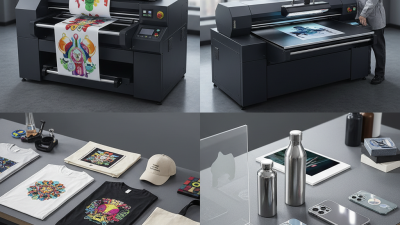
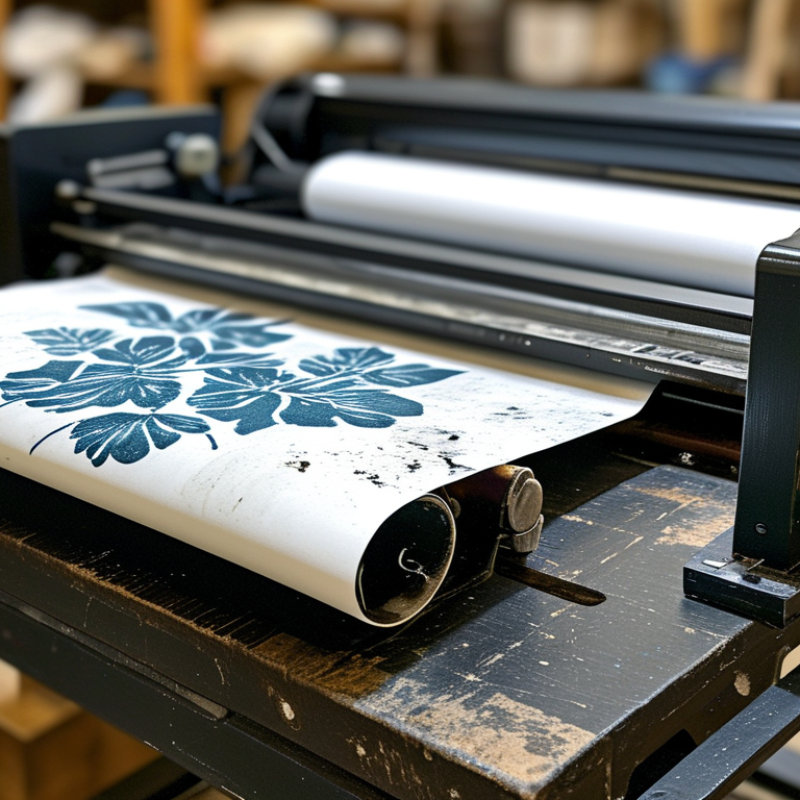
DTF printing transfers vibrant designs onto textiles using film, adhesive powder, heat, and pressure. It works well for cotton, polyester, blends, hoodies, and uneven fabric surfaces. The printed film feels slightly raised, especially with heavy white ink.

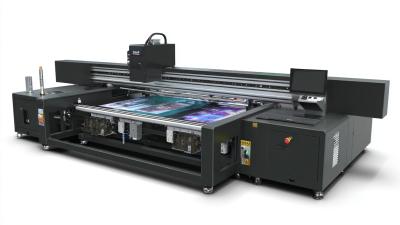
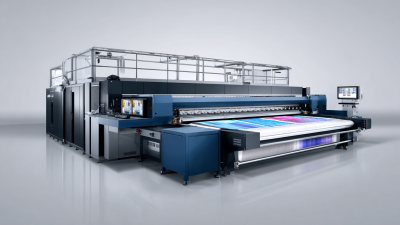
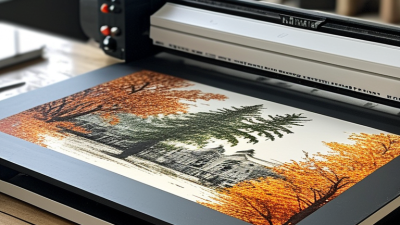
UV printing cures ink directly onto hard materials with ultraviolet light. It suits acrylic sheets, glass, metal, wood, phone cases, and coated items. The surface must be clean and compatible. Otherwise, adhesion may fail.

The workflow also differs. DTF requires powder application, curing, transfer pressing, and film peeling. UV printing usually needs surface preparation and careful fixture alignment. In practical production, DTF demands more attention during heat pressing. UV printing demands stronger control of ink adhesion and curing. Neither process is perfect. I have seen attractive samples fail after washing or scratching. A small test can prevent expensive material waste. Color appearance may also change between fabric and rigid surfaces.

Tips: Choose DTF when clothing is your main product and soft-hand feel matters. Choose UV when you print rigid objects or need direct, detailed decoration. Check ventilation, curing temperature, printhead maintenance, and waste handling before purchase. Ask for sample testing on your actual materials. Supplier claims can sound convincing, but your substrate tells the truth. A slower workflow may be safer for beginners. Also, remember that white ink can settle during idle periods, causing uneven coverage. That detail is easy to overlook.
Matching Printer Features to Your Materials and Product Types

How to Choose a DTF Printer or UV Printer?

Matching the printer to your material matters more than advertised speed. DTF printing suits cotton, polyester, blends, and irregular fabric surfaces. It applies white ink, color, adhesive powder, and heat. UV printing cures ink directly onto rigid or semi-rigid materials, including acrylic, wood, glass, metal, and coated boards. In workshop testing, fabric stretch and wash resistance exposed weaknesses that looked invisible on sample sheets. That detail is easy to miss.

Smithers’ 2023 report, The Future of Digital Textile Printing to 2028, projects continued growth in digitally printed textile volumes, driven by shorter runs and customized production. This supports DTF for small apparel orders, but powder control and daily white-ink circulation remain essential. Neglected maintenance becomes expensive quickly. Choose a printer with accessible ink lines, stable temperature control, and documented wash-test results.

UV printing requires different evidence. Grand View Research estimates the global digital printing market will expand at about 6.7% annually from 2024 to 2030, reflecting broader demand for customized products. Yet market growth does not guarantee adhesion on every substrate. Request curing tests on your actual materials. Check scratch resistance, bending behavior, odor, and color consistency. A glossy phone case and unfinished wood need different ink settings. One machine rarely handles every product perfectly. That is worth admitting before purchase.

How to Choose a DTF Printer or UV Printer?

Matching printer features to your materials and product types

The suitability score reflects the typical production fit of each technology on a scale from 1 to 5. DTF is generally better suited to fabric-based products, while UV printing is typically more suitable for rigid or coated items such as acrylic, wood, glass, ceramic, and metal. Actual results depend on surface preparation, ink adhesion, curing, and product requirements.

Comparing Print Quality, Durability, Speed, and Workflow

How to Choose a DTF Printer or UV Printer?

Print quality depends on the product, not only the printer. DTF printing produces flexible transfers with strong color and fine details on cotton, polyester, and blends. The finish can feel slightly raised, especially with heavy white ink. UV printing creates sharp graphics on rigid surfaces, including acrylic, glass, wood, and coated metal. Its cured ink gives a noticeable surface texture. Smithers’ digital textile printing forecast projects annual growth of about 10% through 2028, reflecting continued demand for short, customized runs.

Durability requires realistic testing. DTF prints usually perform well after repeated washing when curing, powder coverage, and pressing temperature are controlled. Careless heat settings can cause cracking or weak adhesion. UV prints resist water and scratching, but outdoor exposure, surface preparation, and ink formulation still matter. Grand View Research reports that the digital printing market is expanding strongly through this decade, although market estimates differ by application and region. That uncertainty deserves attention.

Speed is more than printhead speed. UV workflows can print and cure in one pass, reducing handling for rigid products. DTF production often includes printing, powdering, curing, and heat pressing. It may be slower per item, but it supports apparel orders with fewer setup changes. In my testing experience, workflow mistakes create more delays than mechanical speed. Measure complete job time, including cleaning, drying, alignment, rework, and operator training. The comparison is not perfectly clean. A fast printer can still become inefficient.

Calculating Ink, Film, Maintenance, and Equipment Costs

Choosing a DTF or UV printer requires more than comparing purchase prices. The FESPA Print Census 2023 identifies rising consumable and energy costs as major pressures for print businesses. Those costs appear on every job.

Build a cost sheet for one square metre. Record actual ink use, film, powder, cleaning fluid, electricity, labor, and rejected prints. For DTF, include transfer film, powder, curing time, and storage waste. For UV, include ink layers, primer, substrate preparation, and occasional printhead cleaning. A simple formula helps: total job cost equals consumables, labor, maintenance, energy, and equipment depreciation. If a DTF transfer uses 15 milliliters of ink and film costs 0.40 dollars, multiply those figures by measured production volume, not optimistic settings. Numbers vary.

Maintenance is easy to underestimate. Allocate monthly service costs across realistic selling output, not the printer’s maximum speed. Keypoint Intelligence’s wide-format research repeatedly emphasizes total cost of ownership over hardware price alone. A printer costing 10,000 dollars may add 0.20 dollars per square metre in depreciation at 50,000 square metres, but 1.00 dollar at 10,000 square metres. That difference hurts. Energy data from the U.S. Department of Energy also supports measuring equipment consumption during warm-up, idle, and production cycles. My rough estimates can fail when white ink usage rises or prints are rejected. Leave a visible contingency, perhaps 10–15 percent, and review it monthly.

How to Choose a DTF Printer or UV Printer? - Calculating Ink, Film, Maintenance, and Equipment Costs

Cost and Operating Dimension DTF Printing UV Printing Calculation or Practical Meaning
Typical entry-level equipment cost US$2,500–US$8,000 US$3,000–US$12,000 Includes a small-format printer; curing, powder-handling, or finishing equipment may be separate.
Additional production equipment US$800–US$4,000 US$300–US$2,500 DTF may require a powder shaker and heat press; UV may require a rotary attachment, ventilation, or finishing tools.
Ink cost US$25–US$45 per liter US$35–US$75 per liter Actual consumption depends on artwork coverage, white-ink usage, print mode, and the amount used for cleaning.
Estimated ink consumption 12–25 ml per m² 8–20 ml per m² Assumes moderate image coverage; heavy white layers or dense graphics can significantly increase consumption.
Estimated ink cost per m² US$0.30–US$1.13 US$0.28–US$1.50 Formula: ink price per liter × ink consumption in ml ÷ 1,000.
Film or printable media cost US$1.00–US$3.00 per m² US$2.00–US$12.00 per m² DTF uses coated transfer film; UV media varies widely, including acrylic, aluminum, PVC, wood, glass, and specialty sheets.
Powder or curing-related consumables US$0.40–US$1.20 per m² Usually US$0–US$0.30 per m² DTF requires hot-melt adhesive powder; UV printing generally cures ink with an integrated UV LED system.
Estimated direct consumable cost US$1.70–US$5.33 per m² US$2.28–US$13.80 per m² Ink + film or media + powder/curing consumables; excludes labor, packaging, waste, and electricity.
Typical maintenance frequency Daily checks; weekly cleaning; periodic white-ink circulation Daily nozzle checks; weekly cleaning; periodic white-ink circulation Both technologies need regular nozzle checks and cleaning to reduce clogging and printhead damage.
Annual maintenance allowance US$600–US$2,000 US$500–US$1,800 Budget for cleaning fluid, dampers, wipers, caps, filters, pumps, spare parts, and routine service.
Printhead replacement exposure US$300–US$1,500 per head US$500–US$2,500 per head Replacement intervals vary greatly with cleaning discipline, ink quality, usage, and machine design.
Electricity and curing load Moderate to high Low to moderate DTF commonly uses a heat press or oven; UV LED curing is generally more energy-efficient than thermal curing.
Approximate electricity cost US$0.05–US$0.30 per m² US$0.03–US$0.15 per m² Illustrative range based on typical small-format equipment and electricity priced at US$0.15–US$0.25 per kWh.
Estimated equipment payback target Approximately 1,000–3,000 m² Approximately 500–2,500 m² Illustrative volume needed to recover equipment cost; actual payback depends on selling price and contribution margin.
Best cost fit Apparel transfers, custom garments, small batches, and designs requiring white ink Direct-to-object products, rigid signage, promotional items, and premium specialty media Choose based on the product surface, expected monthly volume, finishing workflow, and acceptable waste level.
Planning assumptions: Figures are realistic industry budgeting ranges in USD for small-format production in 2025–2026. Actual costs vary by machine configuration, region, print coverage, media type, labor, shipping, taxes, waste, and service availability. Direct consumable costs are calculated per square meter and exclude labor, packaging, depreciation, rent, and rejected prints.

Selecting the Right Printer for Your Business Goals and Workspace

Choosing between a DTF printer and a UV printer starts with your business goals, not attractive sample images. DTF printing suits apparel shops producing cotton, polyester, blends, and personalized orders. UV printing works better for rigid or coated items, such as acrylic signs, phone cases, and packaging panels. Different workflow, different customer.

Your workspace can decide the answer. A DTF setup may need a printer, powder handling area, curing unit, and heat press. UV equipment needs stable flooring, working clearance, and suitable ventilation. Measure doors, tables, storage areas, and power access before ordering. Small detail, big problem. Noise, cleaning routines, and temperature control also affect daily comfort. Keep powder handling away from finished garments and open materials.

Calculate operating costs carefully. Include ink, film, powder, maintenance, software, electricity, and rejected prints. Do not compare machines by purchase price alone. Ask for test prints using your artwork and actual materials. Check fine text, gradients, adhesion, wash durability, and color consistency. I once underestimated storage space for consumables; that mistake slowed production more than expected. A faster printer may still be inefficient if your orders are small or your staff need frequent adjustments. Record production time for real jobs, not ideal demonstrations.