What Is the Best 4060 UV Printer in 2026?
Choosing the best 4060 UV Printer in 2026 requires more than comparing prices and advertised resolutions. A 4060 UV Printer typically offers a 400 × 600 mm print area, making it suitable for signs, phone cases, promotional items, acrylic panels, wood, leather, and customized packaging. Its real value depends on ink adhesion, white-ink circulation, curing consistency, software control, maintenance access, and after-sales support.
Market demand is also changing. Grand View Research estimates that the global UV curable ink market reached approximately USD 1.8 billion in 2023, with strong growth expected through 2030. Smithers’ digital print research similarly identifies personalization, short runs, and faster production as important industry drivers. These trends explain why compact flatbed printers attract small manufacturers and established print shops. The numbers look promising.
Benny Landa, a widely recognized digital-print innovator, once said, “Print is not dead. It is just changing.” That observation fits the 4060 UV Printer market well. Buyers now expect sharper detail, faster setup, lower waste, and dependable production across multiple substrates. However, no machine wins every comparison. A printer may deliver excellent samples but struggle with thick white ink, uneven platforms, or costly replacement parts. This guide evaluates those practical weaknesses alongside speed and image quality. Testing matters. A showroom sample is not a production test. We will compare leading models using measurable criteria, including print quality, operating cost, workflow reliability, supported materials, and service response. Some conclusions may remain imperfect, because supplier specifications and real-world performance do not always match.
4060 UV Printer Basics and Key Features
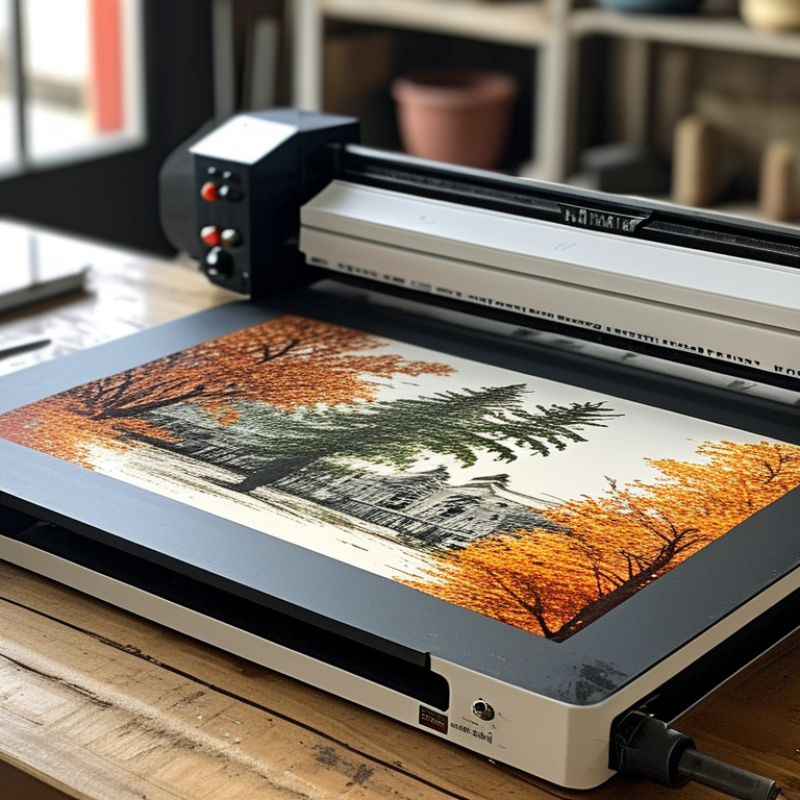
A 4060 UV printer usually refers to a compact flatbed printer with an approximate 40 x 60 cm working area. Always verify the actual print size, because frame dimensions can be misleading. It uses ultraviolet light to cure ink immediately on the surface. This allows printing on acrylic, wood, glass, metal, leather, and coated items. A practical model should support CMYK, white ink, and optional varnish. White ink matters when printing on dark or transparent materials. Varnish can add gloss or texture, but it may increase setup time.
Key features deserve closer attention than advertised speed. Check the printhead type, height adjustment, vacuum platform, and RIP software compatibility. A stable platform helps prevent blurred edges on rigid sheets. Adjustable height is useful for uneven objects, although extreme height can reduce detail. During testing, inspect small text, solid color blocks, and white underlayers. Speed figures often describe ideal conditions, not daily production. They can disappoint.
Maintenance is equally important. White ink may settle when the printer remains idle. Gentle circulation and regular nozzle checks reduce wasted material. Keep the print area clean and protect the machine from dust. Good ventilation and proper curing procedures support safer operation. I would also request test prints before purchasing. A printer may look impressive in a showroom, yet struggle with gradients or fine lettering. That gap deserves honest attention.
How to Compare 4060 UV Printer Performance in 2026
A 4060 UV printer usually offers a working area near 400 × 600 millimeters. That size suits phone cases, signs, panels, and short customized orders. Performance comparison should begin with usable output, not the highest advertised speed. A machine claiming 12 square meters per hour may require fewer passes, weaker detail, or reduced ink coverage. Ask for a printed test file instead.
Smithers estimates that digital packaging print could grow from about 22 billion dollars in 2024 to more than 36 billion dollars by 2029. This growth supports demand for quick, flexible production. However, a 4060 printer must still prove its value through stable feeding, accurate registration, and consistent curing. Compare 4-pass, 6-pass, and 8-pass results under identical artwork. Check tiny text, solid black areas, gradients, and white ink density. Small differences become obvious under a 30-centimeter inspection distance.
Color reliability also matters. Fogra and ISO 12647-8 guidance emphasizes repeatable digital color workflows and measurable print control. Request color charts, adhesion tests, and a 24-hour curing check. Measure production speed after cleaning, setup, and media changes. That figure is more realistic. I would also examine nozzle-drop compensation and maintenance time, because a perfect showroom sample proves little. My comparison is not flawless; humidity, ink chemistry, and operator habits can change results. Still, documented tests are safer than buying from a specification sheet.
Top 4060 UV Printer Types for Different Applications
What Is the Best 4060 UV Printer in 2026?
Top 4060 UV Printer Types for Different Applications
Choosing the best 4060 UV printer in 2026 starts with the application, not the purchase price. A 4060 model usually supports materials up to 40 by 60 centimeters. Its compact footprint suits studios, workshops, and small production rooms.
Flatbed models are practical for acrylic sheets, wood panels, leather goods, phone cases, and promotional products. Look for stable vacuum holding and adjustable print height. These features reduce movement and improve alignment. White ink helps create brighter results on dark surfaces. Varnish can add selective gloss, but it may require careful layer control.
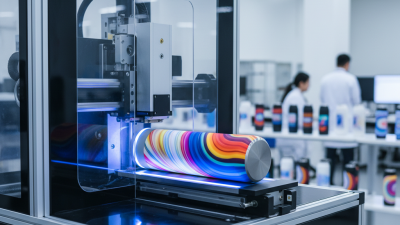
Rotary-ready 4060 printers serve bottles, cups, tubes, and other cylindrical items. They need accurate rotation and secure fixture support. A hybrid model can handle both flat and curved products. This flexibility is useful for custom orders, although setup takes longer. It is not always the best choice.
For detailed prototypes and short-run signage, prioritize ink placement, curing consistency, and color management. A printer with a rigid carriage can produce cleaner small text. However, advertised resolution does not guarantee real-world sharpness. Dust, uneven materials, and weak maintenance can quickly reduce quality.
Keep ventilation, ink storage, and routine nozzle checks in your operating plan. UV equipment still demands responsible handling. My cautious view is simple: test your actual materials before ordering. A printer that performs well on coated acrylic may struggle with untreated wood. Specifications help, but samples reveal the truth.
Essential Buying Factors: Quality, Cost, and Maintenance
What Is the Best 4060 UV Printer in 2026?
A reliable 4060 UV printer should produce sharp text, smooth gradients, and consistent white ink layers. A 400 x 600 mm bed suits signs, panels, gifts, and small production batches. Check printed samples under bright light. Look for banding, uneven varnish, and weak adhesion. A high resolution number means little if the printhead alignment is poor. Ask for a nozzle test and a real production sample, not only polished photographs.
Cost extends beyond the purchase price. Compare ink consumption, printhead replacement, curing lamp life, software fees, and expected downtime. White ink usually needs more attention and may increase operating costs. A lower-priced machine can become expensive after repeated cleaning or missed orders. I would calculate the cost per finished sheet for three months. That estimate may still be imperfect, but it is more useful than a showroom quote. Maintenance also affects quality. Daily wiping, nozzle checks, and proper ventilation protect consistency. Keep the printer away from dust and unstable temperatures.
Tips: Ask how often white ink circulates. Inspect the capping station and wiper before buying. Request a written maintenance schedule. Test adhesion on your actual materials, because plastic, glass, wood, and coated metal can behave differently. Leave space for service access. Operators often forget this. A printer that fits tightly against a wall becomes frustrating to clean.
How to Choose the Best 4060 UV Printer for Your Needs
What Is the Best 4060 UV Printer in 2026?
Choosing the best 4060 UV printer starts with the work, not the advertised speed. A 40 × 60 cm bed suits signs, panels, gifts, packaging samples, and short production runs. Measure twice. Check the real printable area, because frame clearance can reduce usable space. A stable vacuum table also matters when printing thin sheets or uneven objects.
Examine the printhead configuration, ink delivery system, and curing performance. White ink is valuable for dark materials, while varnish can create raised textures or selective gloss. Ask for a live sample using your materials, including acrylic, wood, metal, or coated paper. Fine text should remain sharp at close range. Gradients should not show obvious banding. That choice matters. A fast machine with weak alignment can waste more material than it saves.
Daily maintenance deserves equal attention. Look for accessible ink lines, simple nozzle checks, automatic cleaning, and clear operating instructions. Confirm the maximum object height and whether rotary printing is supported if cylindrical products are part of the plan. Calculate ink, cleaning fluid, electricity, software, and replacement-part costs over twelve months. Cheap equipment may become expensive through downtime. Support quality is harder to measure, but response time and training should be tested before purchase. An honest evaluation should include weaknesses: some printers need frequent manual adjustment, and advertised resolution may not match production results. Keep it practical. Evaluate samples, service terms, and total ownership cost before choosing.