How to Choose the Best Rotary UV Printer for Your Business?
Choosing the right Rotary UV Printer is crucial for your business success. Industry expert John Harrison, a leading figure in digital printing technology, emphasizes, "The right printer can transform your production capabilities." His insight highlights the importance of understanding your specific needs when selecting a printing solution.
When considering a Rotary UV Printer, it's essential to assess your business goals. Different models cater to various printing requirements, from volume to material compatibility. Knowing your target market can help narrow down choices. Additionally, reflect on budget constraints and maintenance needs.
A powerful Rotary UV Printer can elevate your production quality. However, investing in the wrong technology can lead to costly mistakes. Take time to research and compare options in the marketplace. Engage with manufacturers and seek advice from experienced users to avoid common pitfalls. The right Rotary UV Printer can be a game-changer, but informed decisions are imperative.
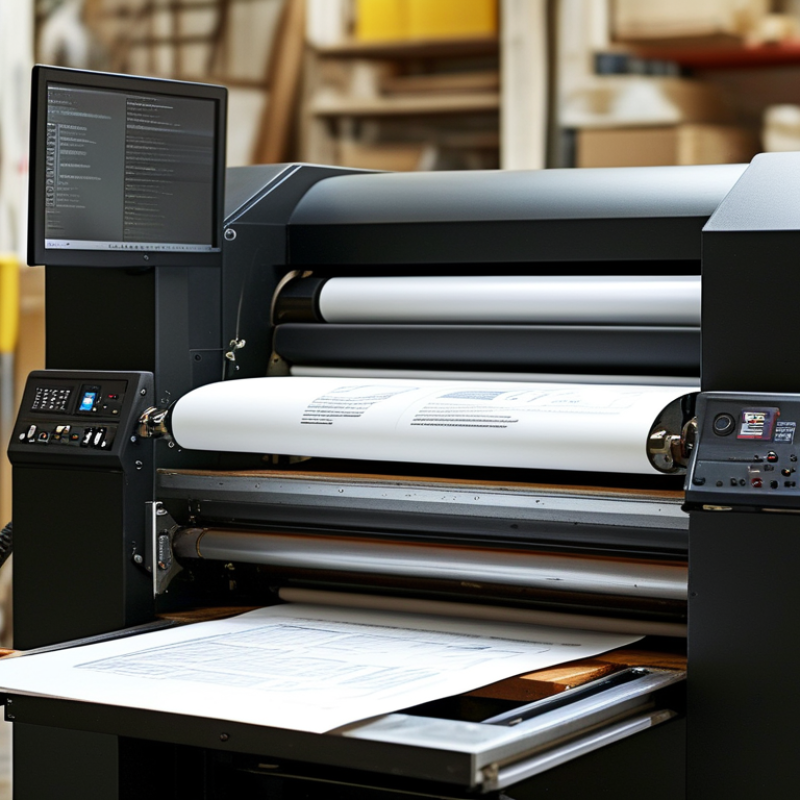
Understanding Rotary UV Printers and Their Applications
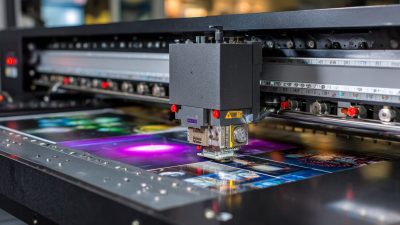
Rotary UV printers offer unique benefits for various industries. They excel in printing on cylindrical objects, like bottles and jars. The UV printing process uses light to dry the ink instantly. This feature is particularly useful for high-volume production environments. The ability to print vibrant colors and intricate designs makes rotary UV printers ideal for promotional items and personalized products.
Understanding their applications is vital for business owners. These printers can handle different materials, including plastic, glass, and metal. Versatility is a significant advantage. However, not every rotary UV printer fits all business models. The size, speed, and print quality vary across different models. Evaluating your specific needs is essential. Will you print small batches or large orders? The answer impacts your choice.
When opting for a rotary UV printer, consider the learning curve involved in mastering the technology. Printer calibration can require ongoing adjustments. Each job might need a unique setup, challenging efficiency. It is crucial to balance these complexities with the output quality you expect. Reflecting on the potential obstacles ensures a more informed decision.
Rotary UV Printer Applications and Usage Statistics
Key Features to Consider When Selecting a Rotary UV Printer
When selecting a rotary UV printer, several key features are paramount. Ink quality is crucial, as the type of UV ink used can significantly affect the durability and vibrancy of prints. Industry reports indicate that high-quality UV inks can enhance color accuracy by up to 30%, making them essential for businesses that prioritize print quality. Furthermore, consider the printer's resolution capabilities. A printer that supports high resolutions, such as 1440 dpi or higher, ensures sharper images, which is vital for detailed work.
Print speed is another important aspect. Depending on your business needs, you may require a machine that can produce items quickly. Many rotary UV printers can achieve speeds exceeding 100 square feet per hour. However, faster speeds may compromise print quality. It's essential to find a balance that meets your production demands without sacrificing quality.
When assessing features, examine the printer's versatility. Look for compatibility with various substrates, as this can greatly expand your service offerings. Many professionals recommend investing in a printer that supports at least five different materials to enhance flexibility. Ultimately, a carefully evaluated choice can lead to increased operational efficiency and customer satisfaction.
Assessing Print Quality and Speed for Business Needs
When selecting a rotary UV printer, print quality and speed are critical factors for business operations. According to a 2022 industry report, customers are increasingly demanding high-resolution outputs, with 85% of decision-makers prioritizing print quality. A printer that can deliver detailed colors and sharp imagery directly affects customer satisfaction. Utilizing advanced print heads can enhance every detail in output, making your products more appealing.
Speed is equally essential. Research shows that businesses with quicker turnaround times increase profitability by up to 30%. A rotary UV printer that can print at 200 square feet per hour significantly boosts efficiency. However, striking the right balance between speed and quality requires careful consideration. A printer that sacrifices quality for faster outputs may lead to increased reprints and customer dissatisfaction.
Investing in the right technology involves understanding your specific needs. If your business focuses on intricate designs, a slower printer with better color accuracy may be perfect. Conversely, for bulk orders, opt for speed. Reflecting on these aspects can help you avoid costly mistakes in your printer selection process. Ultimately, ensuring the right fit for your business will allow you to maximize your printing capabilities and meet evolving market demands effectively.
Evaluating Costs and Budgeting for a Rotary UV Printer
When evaluating costs for a rotary UV printer, understanding the total investment is crucial. Researchers suggest that small to medium businesses allocate between $10,000 to $50,000 for high-quality rotary UV printers. This price can vary based on features and print speed. The initial investment includes not only the printer itself but also inks, maintenance, and materials.
Operating costs can add up. Regular maintenance and replacement ink cartridges can cost around $300 to $1,200 monthly. Consider the efficiency of the printer, as faster machines can offset these costs by producing more jobs. Industry reports indicate that high-efficiency printers can deliver up to 50% more output, making them a better value over time.
Assess your production needs carefully. A lower upfront cost might seem attractive but can lead to higher long-term expenses. If your business engages in high-volume printing, investing in a more expensive, efficient printer may be prudent. It is essential to create a budget that accounts for these ongoing costs and potential fluctuations in material prices.
Reviewing Manufacturer Reputation and Customer Support Options
When selecting a rotary UV printer, manufacturer reputation is crucial. A reliable manufacturer typically has a long history in the printing industry. According to a recent report published by Smithers Pira, over 50% of businesses prioritize vendor reliability and support. This highlights the importance of choosing a brand known for its consistent track record. A strong reputation can indicate better build quality and innovation in technology, which are essential for maximizing production efficiency.
Customer support options also play a vital role in the decision-making process. Quick and effective customer service can save your business time and money. The same report suggests that 75% of companies experience downtime due to technical issues. This downtime can lead to lost revenue, making responsive support critical. Consider companies that offer robust training resources and comprehensive service packages. If the support team responds slowly or lacks expertise, it can hinder your operations.
It's important to access reviews and testimonials from users. These insights can provide a clearer picture of what to expect. While some companies may appear strong on paper, user experiences tell a different story. Information from user forums often reveals common issues or limitations, which can prompt critical reflections on your choices. Balancing these aspects will ensure your investment in a rotary UV printer aligns with your business needs.