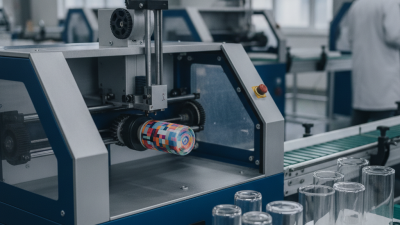
Best Rotary UV Printer for Your Business Needs?
When considering the best Rotary UV Printer for your business, many factors come into play. These printers offer exceptional versatility and efficiency. They can print on various materials, including wood, glass, and metal. This opens new doors for product customization. However, not all Rotary UV Printers are created equal.
Choosing the right one requires careful thought and evaluation. It can be overwhelming with the vast array of options available. Understanding your specific requirements is vital. For instance, consider the print speed, color accuracy, and material compatibility. These features significantly affect your business operations.
In the fast-paced world of printing, staying ahead is crucial. An affordable machine may seem attractive, but it could compromise quality. Reflect on your long-term needs and potential growth. Investing in a high-quality Rotary UV Printer can enhance your productivity and expand your offerings. A balanced approach to features and costs will yield the best results for your business.
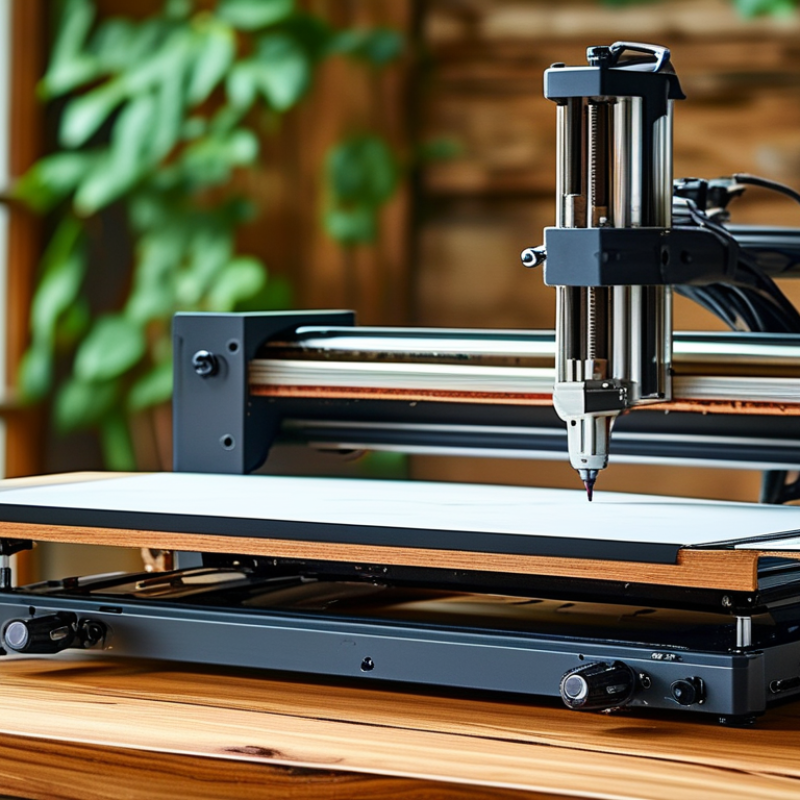
Types of Rotary UV Printers Available in the Market
Rotary UV printers are gaining popularity in various industries. They offer unique printing capabilities for cylindrical surfaces. When exploring types available in the market, it's essential to understand their diverse features.
There are flatbed models suitable for larger projects. These can handle thicker materials too. In contrast, compact rotary models excel in versatility. They can print on a range of products, from bottles to promotional items. This width of options means businesses can cater to different niche markets.
However, not every model fits every business need. Some printers may lack speed or require specialized training. It's crucial to assess the production volume and staff proficiency. Each type has its pros and cons. Consider efficiency and the learning curve before committing. The right choice can significantly impact workflow and profitability.
Key Features to Consider When Choosing a Rotary UV Printer
When choosing a rotary UV printer, several key features are crucial for optimal performance.
Print speed is one dimension where efficiency reigns. Statistics indicate that the latest models can achieve speeds of up to 150 square meters per hour. This elevated speed can significantly enhance your production capabilities, crucial for meeting tight deadlines.
Another critical factor is the versatility of media. High-quality rotary UV printers handle various substrates, from glass to wood to metal. This adaptability opens new business opportunities. For instance, industry reports suggest that businesses using versatile printing solutions experience a 30% increase in project diversity. However, it’s also important to assess the thickness of materials the printer can handle. Many models are limited to a certain thickness, impacting your operational flexibility.
Finally, consider the quality of output. A printer’s resolution dramatically affects the final product’s visual appeal. Some printers offer resolutions up to 1200 dpi, providing exceptional clarity. Nonetheless, managing color consistency can be challenging. Even minor errors can result in noticeable quality variance. Addressing these issues requires ongoing calibration and testing, which could consume additional resources. Balancing these factors will lead you to the right rotary UV printer for your specific business needs.
Comparative Analysis of Top Rotary UV Printers
When choosing a rotary UV printer, it's essential to assess your specific needs. Different models offer varying features that can impact your workflow. A printer's speed, print quality, and versatility are crucial factors. Some printers excel in high-volume production, while others may focus on detailed graphics.
Tips: Always consider what materials you will be printing on. Not all printers handle all substrates well. Research their compatibility with various surfaces like wood, glass, or metal.
Another aspect to analyze is maintenance. Some printers require regular upkeep, while others are more user-friendly. This can affect your operational downtime. A reliable machine can be a game-changer for efficiency.
Tips: Look for user reviews and expert opinions. They often provide insights into long-term performance and common issues. Understanding real-world experiences can guide your decision-making.
Cost Considerations for Purchasing a Rotary UV Printer
When considering a rotary UV printer, cost plays a crucial role. The initial investment can be significant. Beyond the purchase price, there are ongoing expenses. Maintenance, ink, and energy consumption must be factored into your budget. These potential costs can vary widely depending on the model and usage.
Tips: Calculate your total cost of ownership before making a decision. This includes not just the printer's expense but all associated costs. Also, consider the longevity of the printer you choose. A more expensive model may offer better durability and lower long-term costs.
Remember, it’s easy to overlook hidden costs. Software updates, technician support, and even training your staff can add to your expenses. Also, think about the potential for operational downtime. If the machine requires regular servicing, it could disrupt your workflow and impact your bottom line. Balancing cost and value is vital. Invest time in researching features that align with your needs. It's a crucial step in making a savvy choice.
Understanding Maintenance Requirements for Rotary UV Printers
Maintaining a rotary UV printer is essential for maximizing its lifespan and performance. Regular upkeep ensures optimal print quality and minimizes downtime. Understanding basic maintenance requirements can save businesses time and money.
One key aspect is regular cleaning of the print head and ink delivery system. Dust and residue can affect print quality. Use lint-free wipes and approved cleaning solutions. Schedule this maintenance weekly to keep the printer running smoothly.
Another important task is checking ink levels frequently. Low ink can lead to poor prints. Monitoring levels helps avoid sudden interruptions. Additionally, consider calibrating the printer every few months. This ensures colors are accurate and consistent. Missing calibration may result in disappointing outputs.
Remember, investing in your printer's maintenance pays off in the long run. Frequent checks allow you to catch issues early. It’s not just about fixing problems; it’s about sustaining quality.