2026 How to Choose the Best Big UV Printer for Your Printing Needs?
In the evolving landscape of printing technology, choosing the right Big UV Printer is crucial for businesses. Industry reports indicate that the market for UV printing is expected to reach $10 billion by 2026. This statistic highlights the growing reliance on UV printers across various sectors, from packaging to signage. As demand increases, so does the need for informed purchasing decisions.
Expert John Smith, a leading authority in the UV printing industry, states, "Investing in the right Big UV Printer can redefine your business opportunities.” His insight underscores the importance of aligning technology with specific printing needs. Selecting the best printer involves considering factors such as print quality, speed, and material compatibility.
Many businesses may underestimate the complexities involved in this decision. It's easy to get swayed by flashy advertisements or brand popularity. However, a thoughtful approach can prevent costly mistakes. Your choice should reflect not just current needs but also future aspirations in a competitive market.
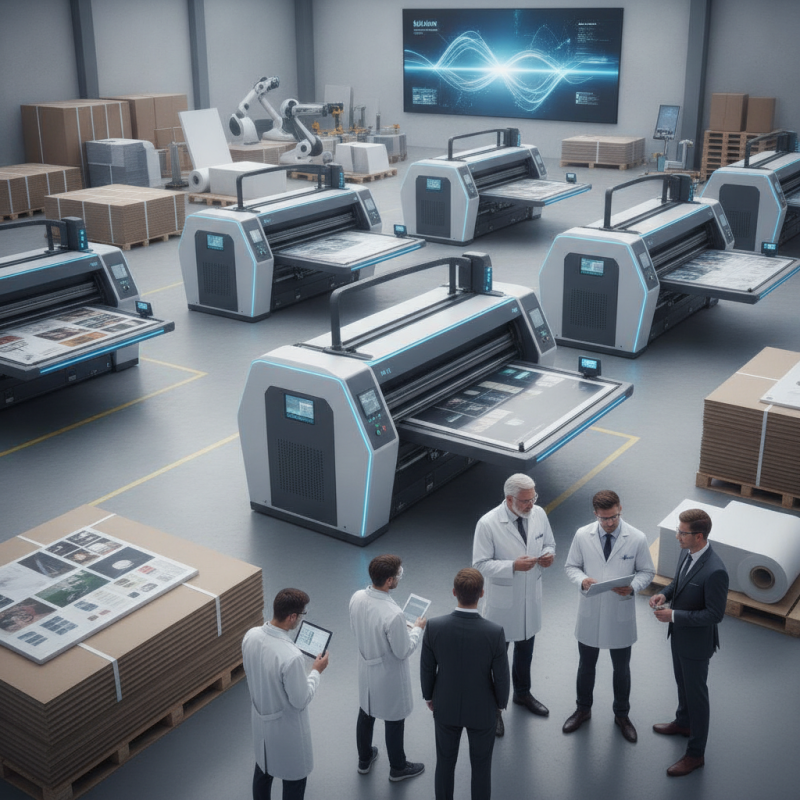
Understanding the Basics of Big UV Printers
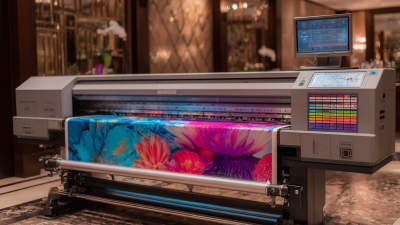
Big UV printers have become essential for many businesses. They offer versatility in printing on various materials. Understanding the basics ensures you choose the right printer for your needs. These printers utilize UV light to cure ink as it is printed. This technology allows for vibrant colors and durable finishes.
When selecting a big UV printer, consider your material options. You may print on wood, metal, glass, and more. Each material has unique requirements. Some printers handle only specific substrates well. Researching your desired materials will lead to better results.
Tip: Always check the maximum media size and thickness your printer can support.
Another key factor is printer capability. Some machines operate at higher speeds or offer better resolution. Think about your production volume. A faster printer may increase efficiency for large orders. However, higher speeds can sometimes compromise quality. Striking the right balance is crucial.
Tip: Analyze the printer's specifications to ensure they align with your needs.
Lastly, evaluate additional features. Options like automatic height adjustment and user-friendly interfaces can simplify the printing process. A complex operation may slow down production. Look for features that prioritize ease of use. They can save time and reduce potential errors.
2026 Big UV Printer Comparison
Key Features to Consider in a Big UV Printer
When choosing a big UV printer, key features are crucial.
Print quality is at the top of the list. Look for a machine that offers high-resolution printing.
This ensures clear images and vibrant colors, vital for creating eye-catching designs. Many printers can print at various resolutions.
Yet, not all provide consistent quality.
Consider the size and versatility of the printer. A larger print bed can accommodate various materials.
This flexibility is essential for diverse projects. Check specifications for compatibility with materials like wood, metal, and acrylic.
This can broaden your printing capabilities immensely.
Durability is another critical factor. A well-built printer can withstand the demands of high-volume production.
Research the components used in construction. User reviews often highlight long-term performance. However, some machines may require regular adjustments.
Buying a printer without assessing long-term maintenance needs can lead to unexpected costs.
Evaluating Print Quality and Speed for Your Needs
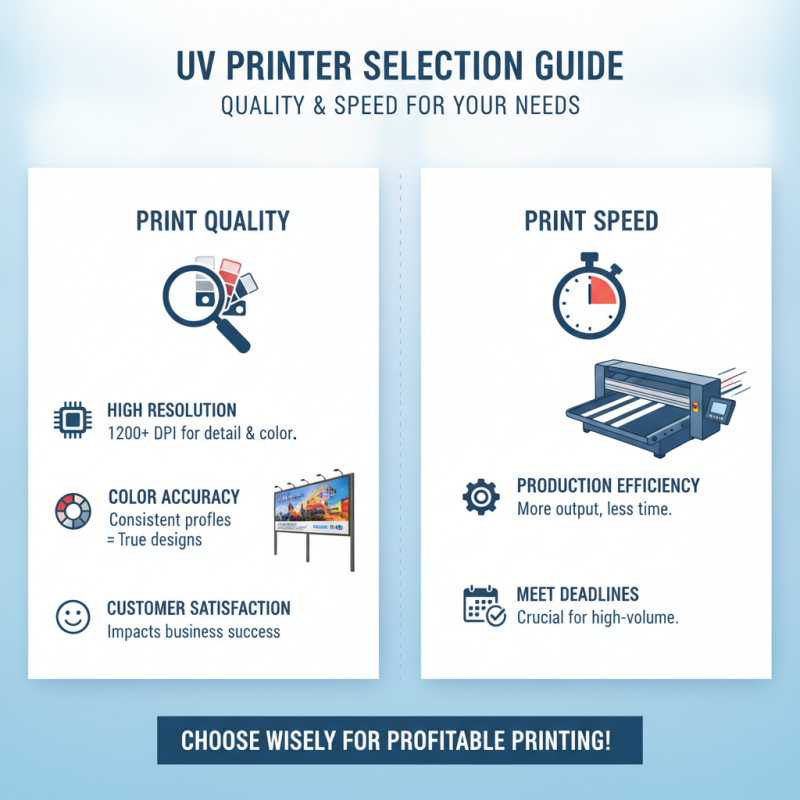
When selecting a big UV printer, print quality and speed are crucial factors. Quality directly impacts customer satisfaction. Industry reports indicate that printers offering high resolution of 1200 dpi or more tend to produce vibrant colors and sharp details. This is essential for applications like signage and detailed graphics. It's not just about the resolution. Color accuracy is also vital. A printer with consistent color profiles helps ensure your prints match digital designs.
Speed is another significant consideration. Many businesses need quick turnaround times. Modern UV printers can produce prints at speeds up to 150 square feet per hour. However, faster speeds can sometimes compromise quality. For instance, a printer operating at a lower speed might achieve better details. It's important to find a balance that suits your operational needs.
Evaluating your specific requirements can help optimize your choice. Some organizations might require thicker substrates. Others may need a printer that handles diverse media, including flexible materials. With varying needs, a one-size-fits-all approach may not work. Consider conducting tests with different printers to assess both speed and quality in real-world scenarios. These tests can reveal potential challenges before making a significant investment.
Assessing Cost-Effectiveness and Budget Considerations
When considering a big UV printer, cost-effectiveness is paramount. Large printers often represent significant investments. Analyzing total ownership costs helps align your budget with your business needs. This includes not just the purchase price but also maintenance and running costs.
Durability plays a role in long-term expenses. A less expensive printer may have lower upfront costs but can require frequent repairs. This can lead to hidden costs over time. Always weigh the value of high-quality materials against initial savings.
Look at the printer's technology and efficiency. More advanced models may reduce ink usage and energy costs. Despite the higher price tag, they can result in savings down the line. Purchasing decisions should account for potential growth in your printing volume. Consider your current needs, but also think ahead.
2026 How to Choose the Best Big UV Printer for Your Printing Needs? - Assessing Cost-Effectiveness and Budget Considerations
| Model |
Print Size |
Resolution (dpi) |
Speed (sq ft/hr) |
Cost ($) |
Suitable Materials |
Operating Cost ($/sq ft) |
| Model A |
48" x 96" |
1200 |
700 |
18,000 |
Wood, Acrylic, Metal |
0.10 |
| Model B |
60" x 120" |
1440 |
600 |
25,000 |
Canvas, Vinyl, Glass |
0.12 |
| Model C |
72" x 120" |
720 |
500 |
20,500 |
Metal, Plastic, Foam |
0.14 |
| Model D |
36" x 72" |
600 |
400 |
12,000 |
Paper, Cardboard, Wood |
0.08 |
Exploring Maintenance and Support Options for UV Printers
When selecting a UV printer, maintenance and support options are critical. Regular upkeep ensures optimal performance and longevity of your investment. A good maintenance plan typically includes routine cleaning and checks. This helps avoid issues like clogged nozzles or inconsistent print quality. Ignoring these tasks can lead to unexpected breakdowns, which may halt production.
Consider support options when choosing a printer. Access to knowledgeable technicians can save time and money. Look for companies that offer comprehensive support services. This may include online resources, on-site assistance, and quick response times. A well-rounded support system can ease frustrations when technical issues arise. However, not all manufacturers provide the same level of service.
Assess the available maintenance packages carefully. Some may appear cost-effective but offer limited coverage. Understanding the specifics can help prevent surprise costs later. An unclear warranty can also lead to confusion. Evaluating these options ensures your chosen printer remains reliable. A clear maintenance strategy can keep your printing operations running smoothly.