Top 10 Uv Cylinder Printers for Global Buyers 2026?
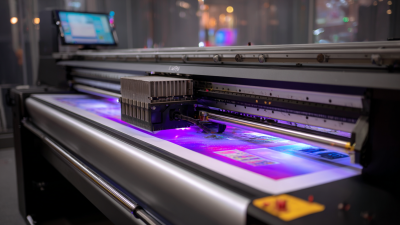
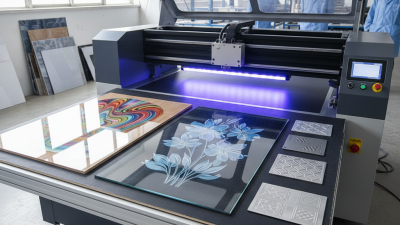
In the fast-evolving world of printing technology, the UV cylinder printer stands out for its versatility and efficiency. This innovative device caters to a wide range of materials, enabling businesses to create vibrant designs on cylindrical objects. In this article, we explore the top 10 UV cylinder printers for global buyers in 2026. These selections are based on user feedback, performance metrics, and expert reviews.
As companies look to enhance their production capabilities, the demand for reliable UV cylinder printers has surged. Entrepreneurs need equipment that not only meets their standards but also adapts to various manufacturing needs. However, choosing the right printer is not always straightforward. Buyers may face challenges such as varying print quality, durability, and maintenance issues. This piece highlights different models, providing insights to help potential investors make informed decisions.
With a focus on technological advancements, we examine printers that lead the market today. Some models offer unique features, while others may fall short. Evaluating these aspects can guide buyers toward the best options available. As we navigate this landscape, it’s crucial to consider both performance and user experience in the pursuit of excellence.
Top Features to Consider in UV Cylinder Printers
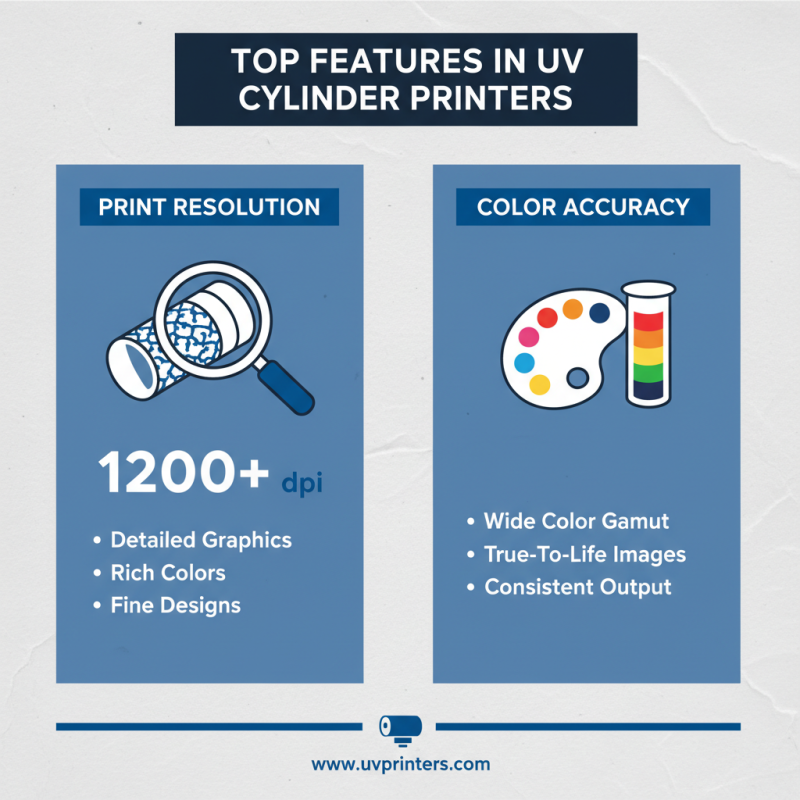
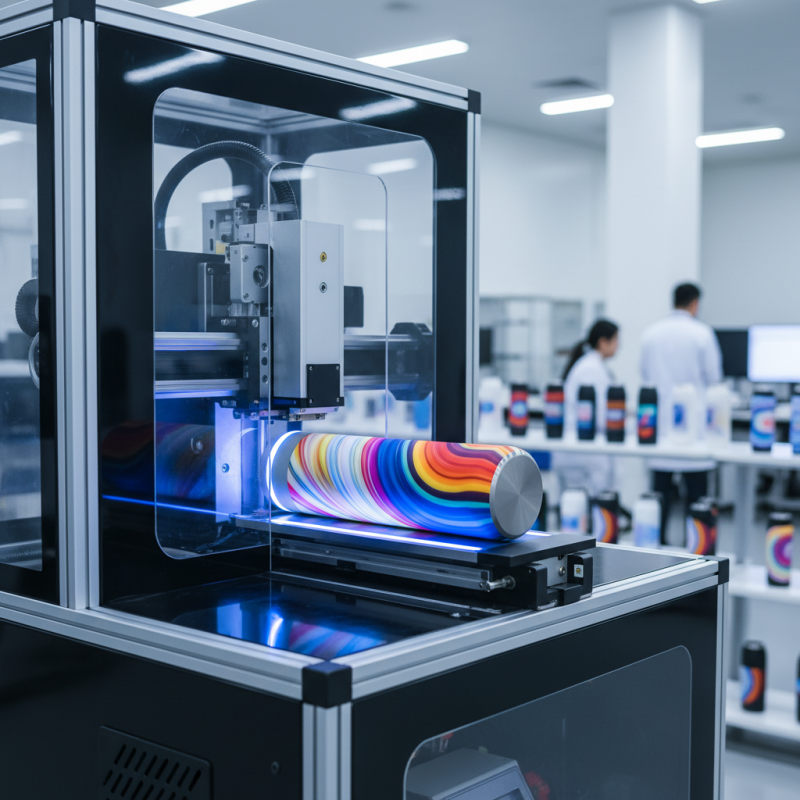
When considering UV cylinder printers, several key features stand out. Print resolution is crucial. Higher resolution ensures detailed graphics and vibrant colors. Buyers should look for a printer that offers at least 1200 dpi. This guarantees clarity, especially for intricate designs. Color accuracy is another vital aspect. A printer that supports a wide color gamut can produce more true-to-life images.
Print speed also plays a significant role. A faster printer increases productivity, which can be essential in high-demand environments. Efficiency in print jobs helps to meet tight deadlines. Easy operation is equally important, particularly for those new to UV printing. User-friendly interfaces reduce the learning curve.
Durability is an often-overlooked feature. Reliable components lead to consistent performance over time. It’s wise to research maintenance requirements, as well. An efficient printer can mitigate unexpected downtime. Ultimately, buyers should assess their specific needs and reflect on previous experiences. Striking the right balance among these features can enhance overall satisfaction.
Key Players in the UV Cylinder Printer Market
The UV cylinder printer market is advancing rapidly. According to recent industry reports, this market is projected to reach a value of $2 billion by 2026, driven by innovations in printing technology and increasing demand for customized products. Key players in this sector have significantly invested in research and development. They focus on improving print quality while reducing production costs.
In analyzing the competitive landscape, a few trends emerge. Many key players emphasize sustainability, producing eco-friendly inks and materials. This shift aligns with global environmental goals, yet it presents challenges in sourcing sustainable suppliers. The balance between cost and quality remains a critical concern for manufacturers. Another focal point is the evolution towards automation; many companies are exploring advanced technologies to streamline production processes. However, integration issues often arise, requiring careful reconsideration of existing workflows.
Market dynamics continue to change. Trade relations and supply chain disruptions are potential risks. While various solutions are being developed, these uncertainties can impact market stability. Additionally, consumer expectations are evolving with technology. Customization and uniqueness are crucial. Companies must reflect on these shifts; adapting strategy to stay relevant is essential in this competitive arena.
Top 10 UV Cylinder Printers for Global Buyers 2026
| Model |
Max Print Diameter (mm) |
Max Print Length (mm) |
Print Speed (m/hr) |
Resolution (dpi) |
Ink Type |
Price Range (USD) |
| Model A |
150 |
500 |
25 |
1200 |
UV Curable |
$30,000 - $40,000 |
| Model B |
200 |
600 |
30 |
1440 |
Eco-Solvent |
$35,000 - $50,000 |
| Model C |
250 |
650 |
28 |
1600 |
UV Curable |
$40,000 - $60,000 |
| Model D |
180 |
550 |
22 |
1200 |
UV Curable |
$25,000 - $45,000 |
| Model E |
220 |
700 |
35 |
1400 |
Eco-Solvent |
$50,000 - $75,000 |
Innovative Technologies Shaping UV Cylinder Printing
The UV cylinder printing market is evolving rapidly due to innovative technologies. According to a 2023 report by Smithers, the global UV printing industry is projected to reach $8.1 billion by 2026, highlighting significant growth opportunities. This growth is largely attributed to advances in UV ink formulation and curing technologies. For instance, today's UV inks offer improved adhesion and flexibility, enabling more diverse applications across various materials.
New technologies like LED-UV curing have emerged as game changers in this sector. These systems not only reduce energy consumption by up to 50% but also shorten drying times, enhancing production efficiency. However, implementing LED-UV requires careful consideration of upfront costs and ongoing maintenance. Industry players must weigh these trade-offs as they adopt new printing solutions.
Additionally, automation in UV cylinder printing is increasingly common. Automated processes reduce human error and improve consistency. However, a reliance on automated systems can lead to challenges, such as the need for skilled technicians to oversee machines. Manufacturers need to invest in training programs to ensure a skilled workforce. Balancing innovation with practical challenges remains critical for sustained success in this sector.
Top 10 UV Cylinder Printers Performance Metrics (2026)
Competitive Pricing Analysis for UV Cylinder Printers
As the demand for UV cylinder printers continues to rise globally, competitive pricing analysis becomes crucial for buyers in 2026. According to a recent market research report, the global UV printer market is projected to grow at a CAGR of 9.4% from 2021 to 2026. This growth is fueled by diverse applications in packaging, textiles, and industrial printing.
Analyzing pricing strategies reveals that manufacturers adopt varying approaches. Economical models start at approximately $12,000, appealing to small businesses. Conversely, high-end models may exceed $50,000, offering advanced features and superior quality. Notably, buyers may find disparities in pricing and features across different regions. More affordable options in Southeast Asia can attract attention, but quality and service support often become concerns.
Understanding these dynamics is essential for buyers navigating the UV printer market. While lower prices can be enticing, investing in a reliable, high-quality printer often yields better long-term returns. Detail-oriented buyers should consider total costs of ownership, including maintenance and operational efficiency, before making decisions. Ignoring these factors could lead to regrettable purchases in the future.
Future Trends and Predictions for UV Cylinder Printing Industry
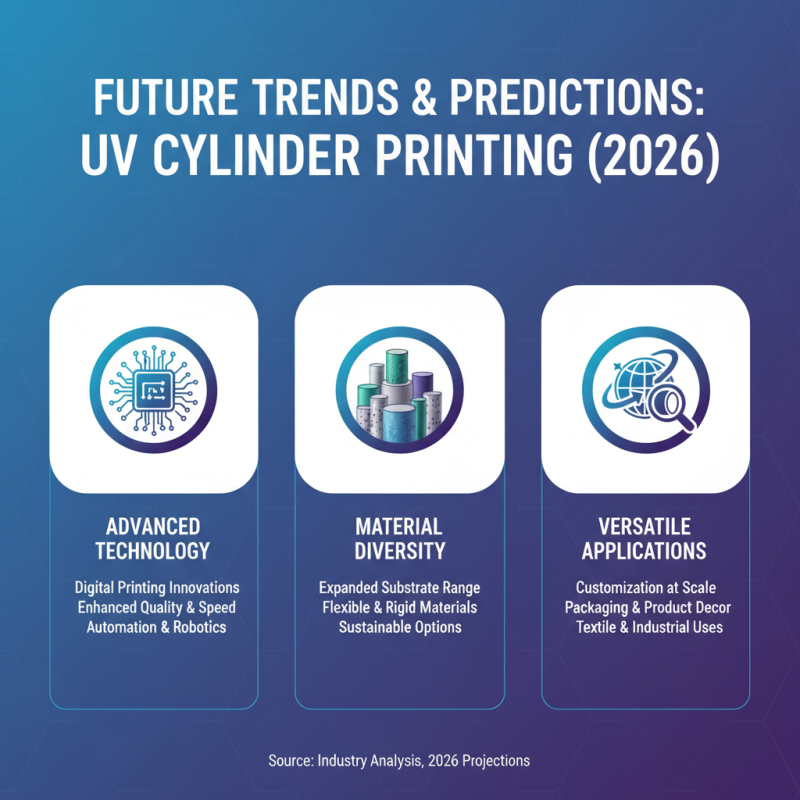
The UV cylinder printing industry is evolving rapidly. As we look towards 2026, new trends are emerging. Advanced technology is playing a crucial role. Innovations in digital printing are enhancing quality and speed. Alongside, material diversity is expanding. Brands are seeking versatile solutions for varied applications.
Tips: Always evaluate your specific needs before investing. Understand your volume production requirements. This helps in selecting machines that fit your business scale.
Sustainability is another key trend. Many manufacturers are focusing on eco-friendly inks and processes. This shift not only reduces environmental impact but also appeals to conscious consumers. However, transitioning to sustainable practices can present challenges. It requires careful planning and investment.
Tips: Seek out credible suppliers who adhere to eco-friendly practices. Evaluate their certifications and track record in sustainability.
Lastly, automation is becoming integral in UV cylinder printing. Automated systems enhance efficiency and reduce labor costs. Yet, the implementation may require significant training for staff. It’s essential to anticipate these needs. Adapting to change can be difficult but is often necessary for growth.