
2513 UV Flatbed Printer: A Spec-Sheet Showdown (BORAN vs. MIMAKI)
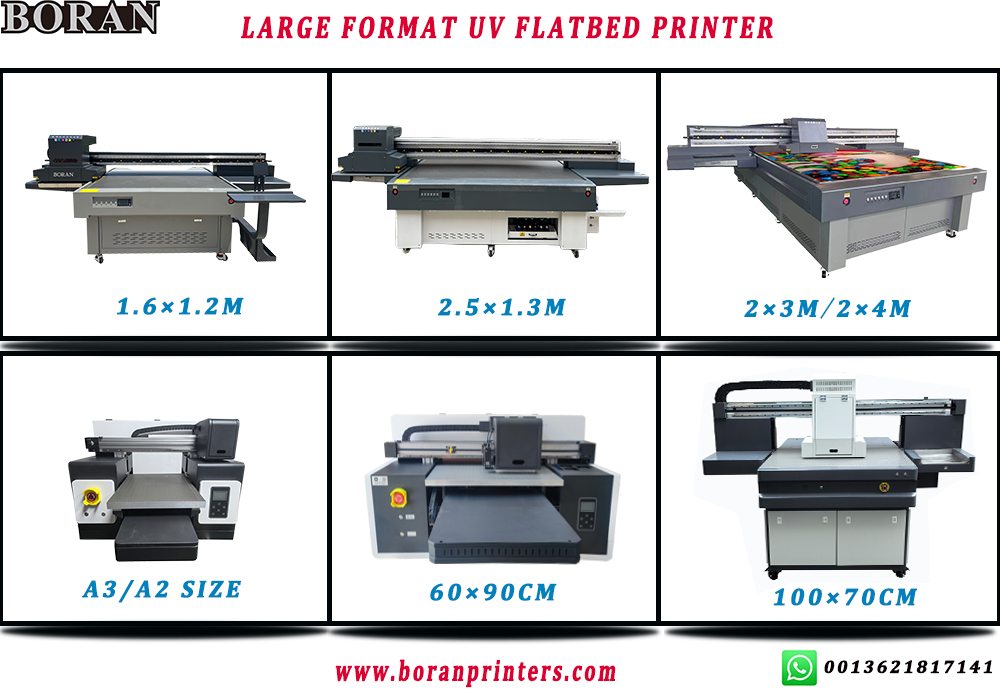
"BORAN" is our brand that often uses third-party print heads like Ricoh Gen6 and focuses on high-capacity industrial features, and Mimaki is a premium Japanese brand known for its proprietary technology and print quality, I will compare a typical high-spec our brand BORAN 2513 UV flatbed printer (using Ricoh Gen6) against the Mimaki JFX200-2513 EX.
Here is a spec-sheet showdown to highlight the differences:
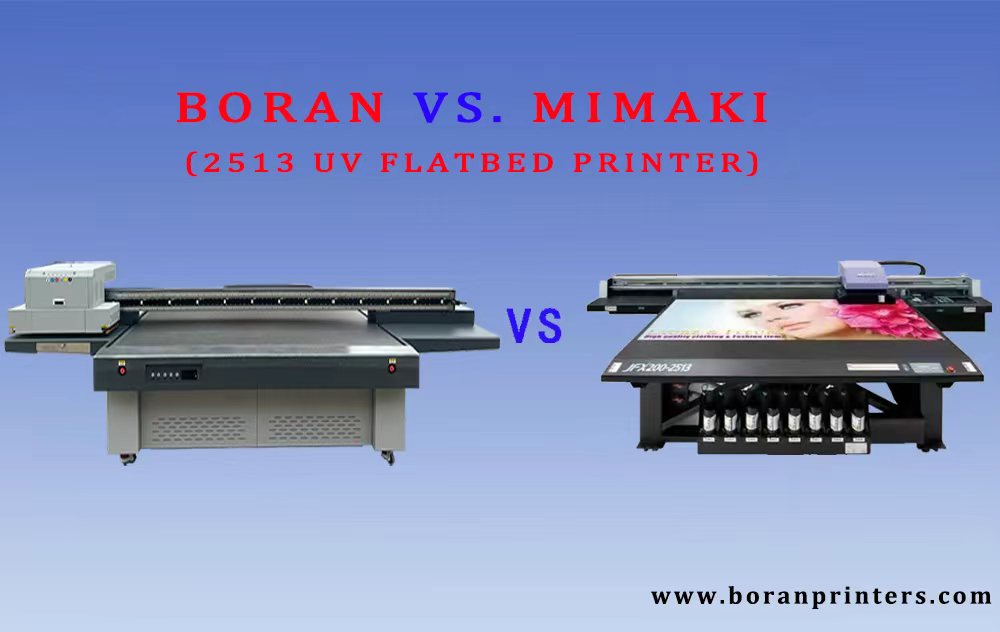
2513 Uv Flatbed Printer Showdown: Boran2513 UV flatbed printer (Ricoh Gen6-based) vs. Mimaki JFX200-2513 EX
| Feature | Boran (Ricoh Gen6-Based) | Mimaki JFX200-2513 EX | Key Implication |
| Print Head | Ricoh GEN6 Industrial Piezo | Mimaki On-demand Piezo (Staggered 3-head array) | Boran: High-speed, high drop-volume capability. Mimaki: Proprietary technology, focus on consistency. |
| Max. Print Area | 2500 x 1300 mm (8.2 x 4.26 ft) | 2500 x 1300 mm (98.4 x 51.2 in) | Identical industry-standard 4'x8' footprint. |
| Max. Media Thickness | 900mm - 100mm (Commonly 100mm or more) | 50 mm (2.0") | Boran: Superior for extremely thick/oversized objects (e.g., shoe boxes, customized crafts). Mimaki: Limited to thinner boards and panels. |
| Max. Print Speed (Draft) | 15 - 80 m²/h (Using multiple heads, e.g., 8-head config) | 35 m²/h | Boran: Often offers faster theoretical max speed due to more/larger heads. Mimaki: Reliable, strong performance for a high-quality machine. |
| Max. Resolution | Up to 1800 DPI | Up to 1200 DPI | Both offer excellent quality, but the Ricoh Gen6 can achieve a higher number resolution. |
| Special Technology | High-Gap printing (up to 15mm droplet distance), Automatic Anti-Collision, White Ink Stirring. | 2.5D Texture Maker (automatic layered embossing), MAPS (banding reduction), NCU/NRS (Nozzle Check/Recovery System). | Mimaki: Strong focus on 3D/textured printing and reliability features. Boran: Focus on industrial robustness and high-gap capability.But also can achieve 3D effect if you have need. |
| Ink Configuration | CMYK, Lc, Lm, White, Varnish (Often 4, 5, or 8 heads) | CMYK, Lc, Lm, White, Clear, Primer (Various proprietary ink sets) | Both support full color, light colors, white, and a clear/varnish. |
| Reliability/Features | Negative Pressure System, Auto Thickness Sensor, White Ink Circulation. | NCU/NRS (Automated nozzle checks/recovery), MCT (White Ink Circulation), Foot-pedal control for vacuum. | Mimaki: Market-leading automation features for reliability and minimal downtime. Boran: Brand board system which is very stavle, and it can achieve more printing effct and more printing possibilities. |
Summary and Key Considerations
BORAN 2513 UV Flatbed Printers (Ricoh Gen6-Based)
Best for:
Industrial capacity, extreme versatility in media thickness, and high production speed and more printing effect. If your business needs to print on exceptionally thick objects (e.g., gift boxes, thick wood blocks, or promotional items with unusual height) and volume is critical, the high-gap and speed and more printing effect are major advantages.
Key Advantage:
Maximum Media Thickness (Z-axis). They often handle media up to 900mm or 100mm thick, far exceeding the Mimaki.
Head Type:
Uses industrial, often third-party heads (Ricoh, Epson, etc.), which can be cheaper to replace but may require more hands-on maintenance.
Mimaki JFX200-2513 EX
Best for:
High-value, creative applications, reliability, and print quality consistency. If your work includes a lot of ADA-compliant Braille, textured art, or high-end retail signage where the "2.5D" effect is a differentiator.
Key Advantage:
Proprietary Technology and Stability. The 2.5D Texture Maker simplifies creating complex textured prints, and the NCU/NRS system is a major time-saver for ensuring continuous, quality output.2
Brand Reputation:
A well-established, globally recognized Japanese brand known for excellent color management and machine longevity, which often translates to a higher initial investment.
In short, our BORAN 2513 UV flatbed printer often offers more raw industrial power ,media flexibility ,more printing effect and The cost-effectiveness of the machine is higher, while the Mimaki offers superior technological reliability and proprietary high-value features (like 2.5D texturing) within a more restricted media height.
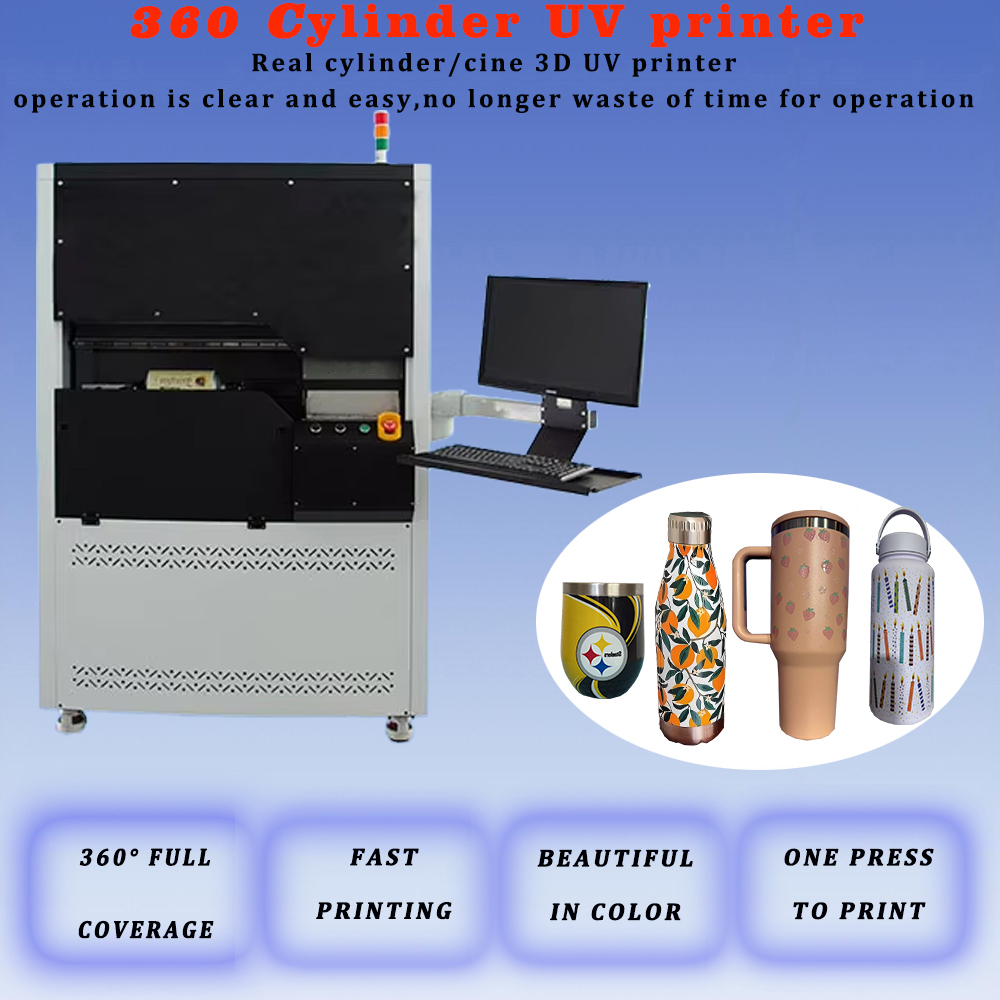
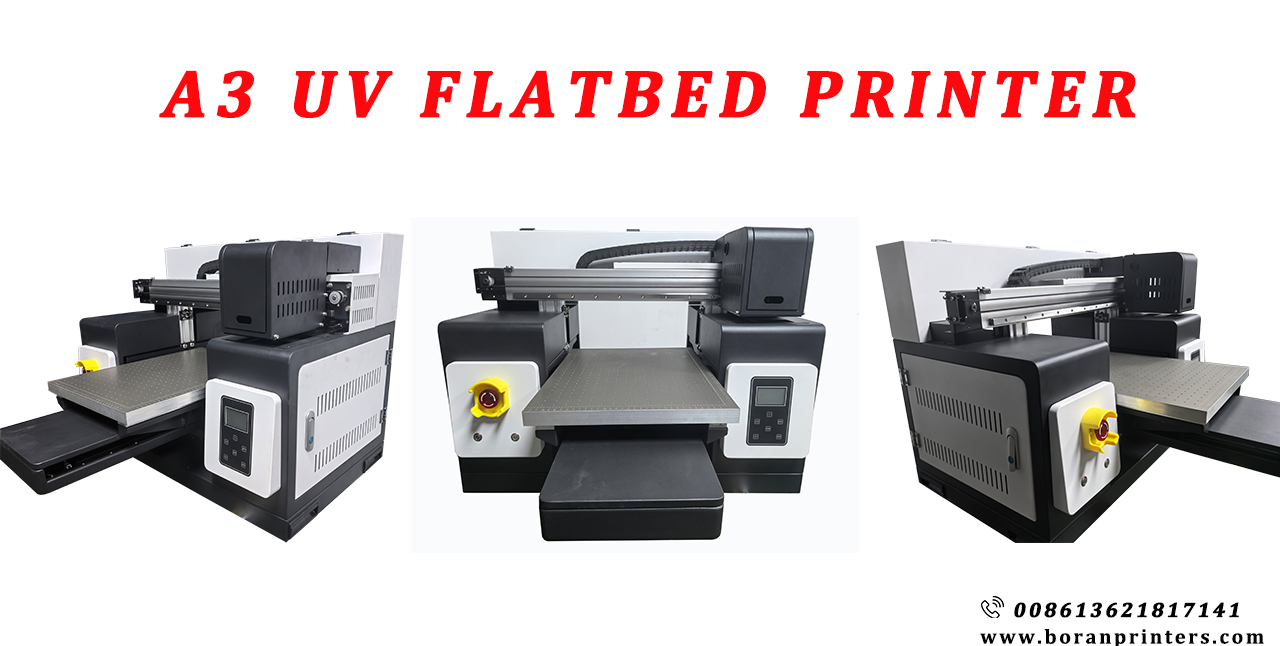
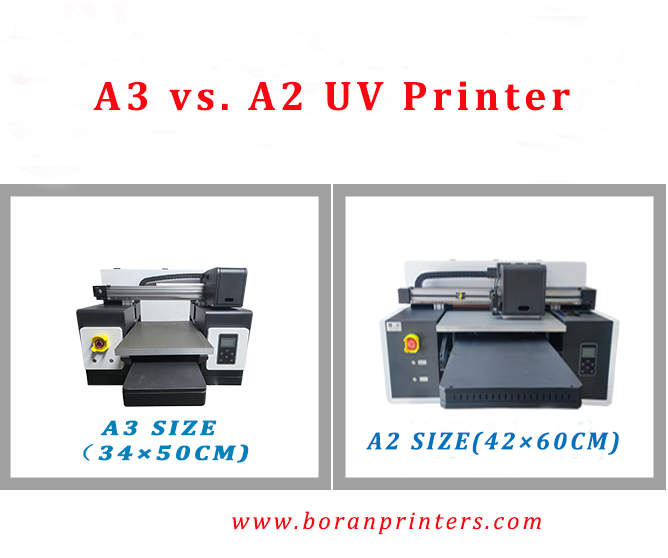
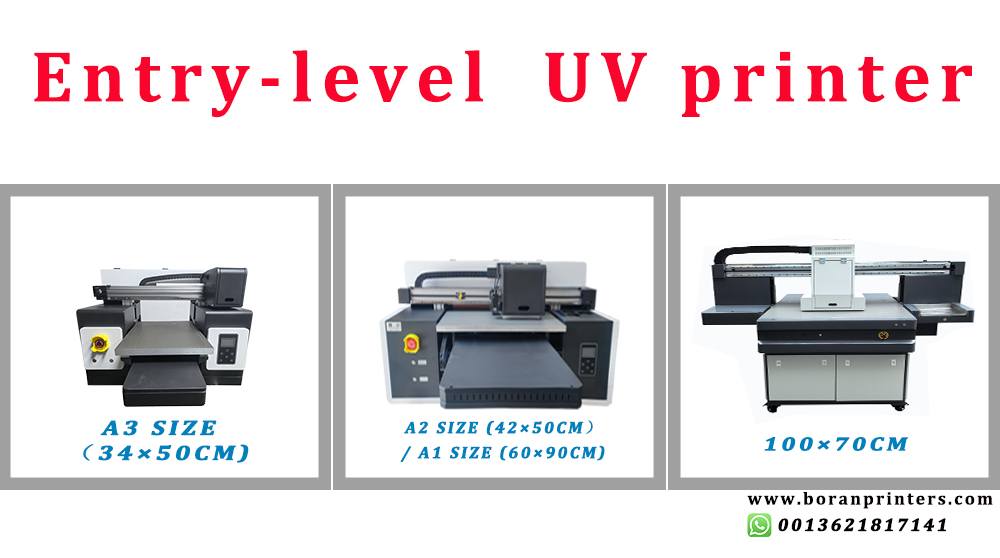
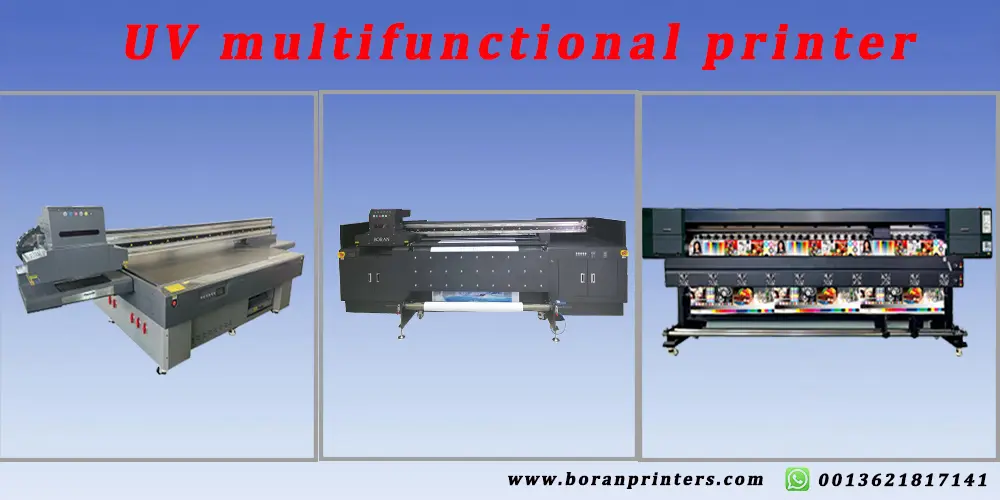
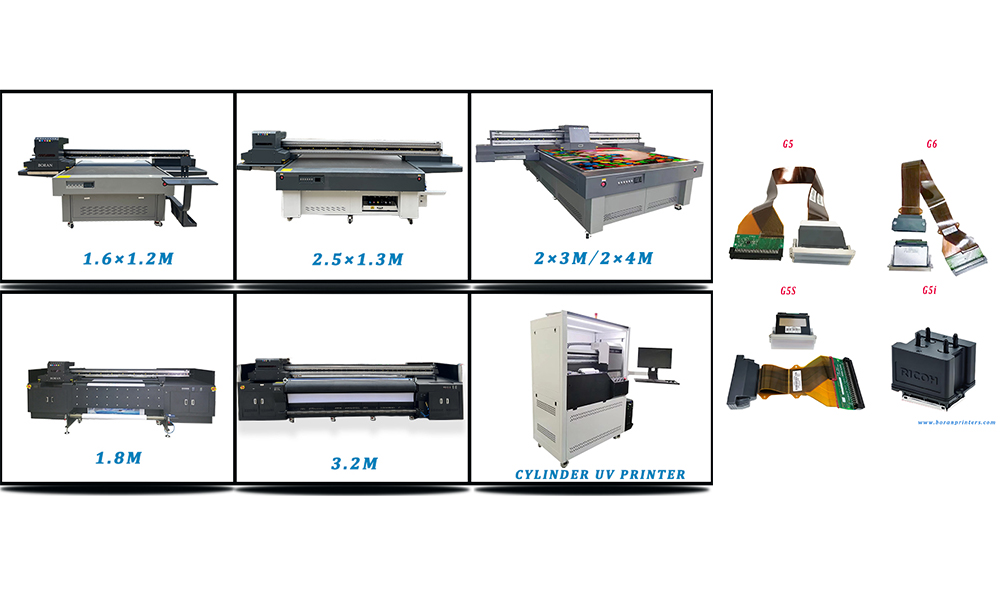
Attached several BORAN 2513 UV flatbed printers as the below picture, the more details, please check the website: site_7ba8f8cb-fff6-4782-b92e-dd7c504e45dc