Why Choose an Uv Printer for Wood for Your Business Needs?
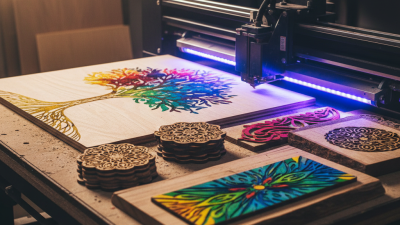
The choice of a UV printer for wood can immensely impact your business. Wood is a versatile material, but printing on it is challenging. A UV printer for wood offers unique benefits. It allows for vibrant colors and intricate designs without sacrificing quality.
Using a UV printer for wood means your projects can stand out. The technology cures the ink instantly, which prevents smudging. This leads to cleaner lines and more defined details. It opens doors to creativity, enabling businesses to create custom pieces easily.
However, there are things to consider. Initial costs for UV printers can be high. Maintenance is also a common concern. It’s essential to weigh the investment against long-term benefits. With the right approach, a UV printer can transform your woodworking projects and elevate your business.
Benefits of UV Printing Technology in Wood Applications
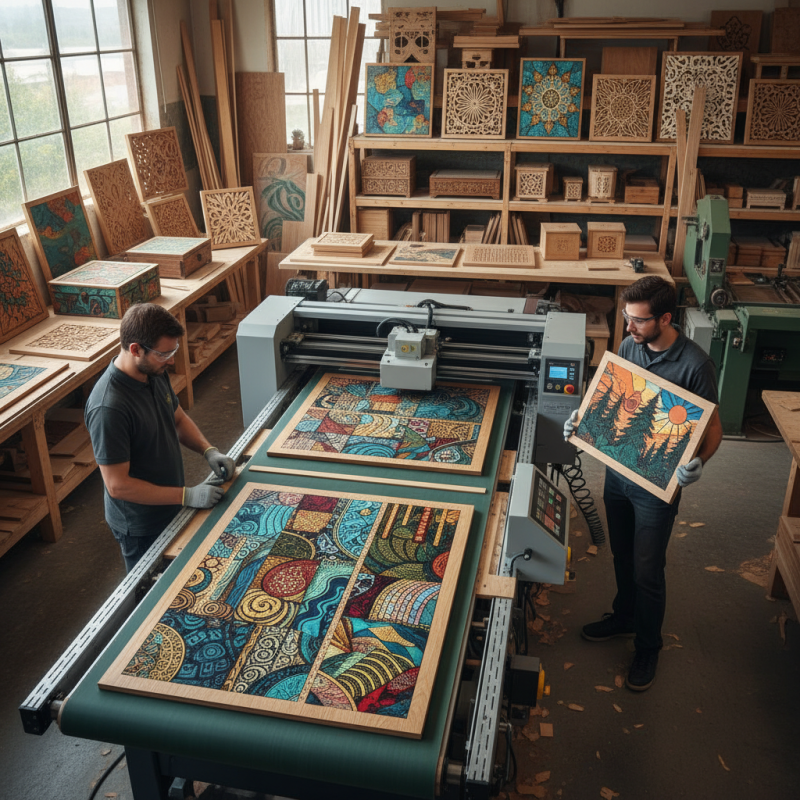
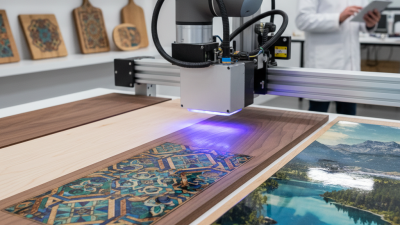
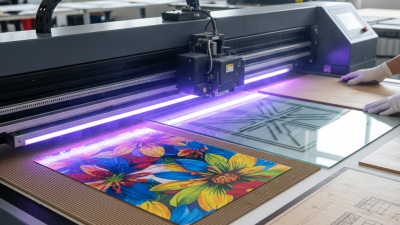
UV printing technology has revolutionized the wood industry, offering distinct advantages for businesses. This method utilizes ultraviolet light to cure ink, resulting in vibrant, durable images directly on various wood surfaces. Unlike conventional printing, UV printing prevents issues such as smudging or fading. The result is crisp, detailed designs that stand out, capturing consumer attention effectively.
The versatility of UV printers allows for experimentation with different wood types. Whether it's plywood, MDF, or solid wood, the technology adapts easily. Businesses can create personalized products, from furniture to decorative items, catering to diverse customer preferences. However, not all designs may transfer perfectly to wood. Some surfaces might require additional prep work or adjustments to ink types. Assessing these challenges can lead to improved outcomes.
Moreover, UV printing on wood is environmentally friendly. The process generates fewer VOCs compared to traditional methods. Yet, businesses must remain aware of equipment maintenance. Regular cleaning and calibration are essential to ensure optimal performance. While the benefits are clear, understanding the nuances of UV printing can lead to better quality products in the long run.
Cost Efficiency: Comparing UV Printers to Traditional Printing Methods
In the current market, cost efficiency plays a crucial role for businesses considering UV printers for wood. Traditional printing methods often involve lengthy setup processes and substantial material waste. A report from Smithers Pira indicates that UV printing can reduce waste by up to 40%. This reduction translates directly into cost savings for businesses, allowing for a more sustainable production approach.
Additionally, UV printers often deliver faster turnaround times compared to their traditional counterparts. With the ability to instantly cure inks, businesses can complete projects quicker. According to a survey by the Printing Industries of America, companies using UV technology reported up to a 30% increase in productivity. This not only fulfills client demand more efficiently but also enhances cash flow through quicker project turnover.
However, the initial investment in UV printing technology can be daunting. Many businesses view the upfront costs as prohibitive. Balancing this against potential long-term savings is essential. Analyzing both immediate and future costs offers a clearer picture. While UV printers show promise, some organizations struggle with the transition from traditional methods, reflecting a need for thorough planning and training.
Cost Efficiency: Comparing UV Printers to Traditional Printing Methods
Enhanced Durability and Quality of UV-Printed Wood Products
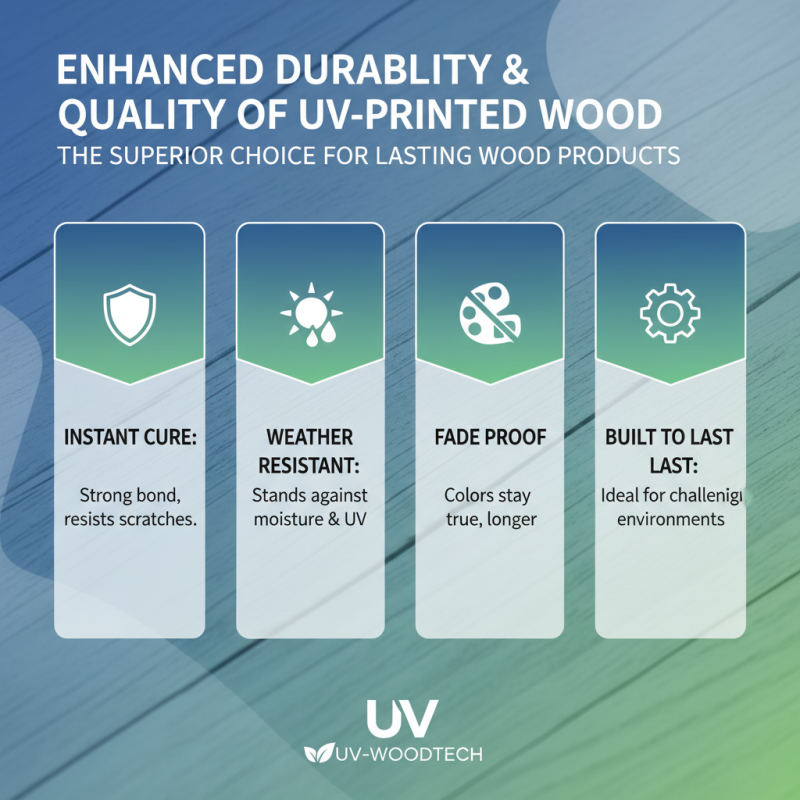
When it comes to wood products, durability often matters the most. UV printing offers a unique solution to this challenge. The technology uses ultraviolet light to cure ink instantly, creating a strong bond with the wood surface. This results in prints that resist fading and wear, even in challenging environments. UV-printed wood can withstand moisture and UV exposure better than traditional methods.
Quality is another key aspect of UV printing. The process allows for high-resolution images with vibrant colors. Businesses can achieve photo-quality prints that elevate their products. However, achieving the perfect finish can take practice. Variations in wood grain can impact how colors appear. Some printers may struggle to handle intricate designs on uneven surfaces.
Investing in UV printing can significantly enhance product appeal. Customers increasingly seek quality in their purchases. Yet, it's essential to remain mindful of production challenges. Understanding the material and the printing process is crucial for success. This knowledge can help businesses deliver exceptional products while navigating potential pitfalls. The results can lead to satisfied customers and increased sales.
Market Demand: Growth Trends for UV-Printed Wood in Various Industries
The market for UV-printed wood is expanding rapidly, driven by various industries. According to a recent report by Smithers Pira, the global UV printing market is projected to reach $9.2 billion by 2025. This growth is largely attributed to the increased demand for customized products. Wood surfaces are now being enhanced through UV printing, providing businesses with unique branding opportunities.
In industries like furniture, decor, and packaging, UV printing is revolutionizing design possibilities. A study by Allied Market Research states that North America accounted for over 30% of the UV printing market share in 2022. This highlights a significant interest from companies looking to integrate innovative printing techniques. These trends suggest that businesses investing in UV printers for wood can meet consumer demands for personalization.
Challenges remain, however. The initial investment in UV printing technology can be steep. Companies must weigh the costs against the potential returns. Training staff to operate these printers effectively is another hurdle. Despite these difficulties, the advantages of UV-printed wood, such as durability and vibrancy, make it a worthwhile consideration for forward-thinking businesses.
Sustainability: The Environmental Impact of UV Printing on Wood
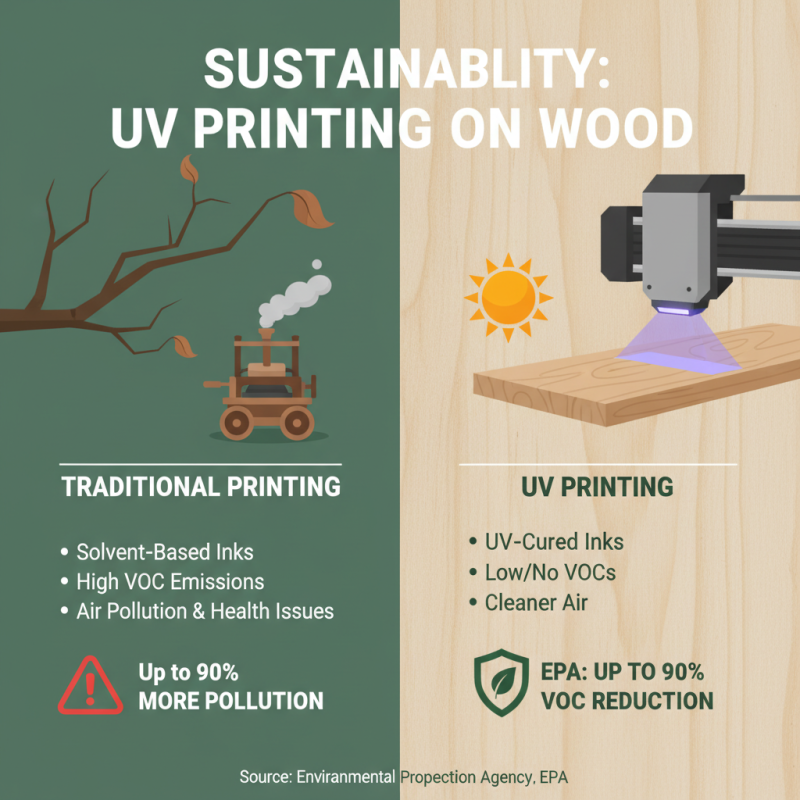
The environmental impact of UV printing on wood is significant. Traditional printing methods often use solvents that release harmful VOCs. These compounds contribute to air pollution and health issues. In contrast, UV printing utilizes ultraviolet light to cure the inks, drastically reducing emissions. According to the Environmental Protection Agency (EPA), UV printers can cut volatile organic compound emissions by up to 90%.
Sustainability in printing does not solely rely on lower emissions. UV printing offers durability and longer-lasting results without harmful additives. A study by the European Printing Industry Federation indicates that UV-printed materials can last up to three times longer than conventional prints. This longevity reduces waste and supports a circular economy in manufacturing. However, while UV printing is more eco-friendly overall, the energy consumption from UV curing lamps remains a concern. Finding a balance between efficiency and sustainability continues to be a challenge.
Moreover, the production of inks used in UV printing poses another dilemma. While they are often formulated without hazardous materials, the sourcing of raw materials needs attention. Transparency in the supply chain is crucial. Companies must be aware of the sourcing practices of their inks to ensure they align with sustainable goals. Not all UV inks are created equal, and vigilance is necessary when choosing materials for printing.