Best UV Printer for Wood 2026 What to Consider?
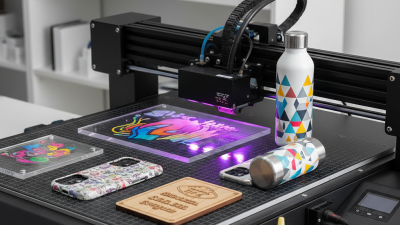
As the demand for customized wooden products continues to rise, the Uv Printer For Wood market is evolving rapidly. According to a recent report by Smith Research, the UV printing industry is expected to grow at a CAGR of 8.5% from 2022 to 2026. This growth reflects the increasing preference for high-quality finishes and durable products. Experts, like Dr. Jane Foster, a leading figure in printing technology, emphasize, "Investing in a reliable Uv Printer For Wood can significantly enhance production quality and efficiency."
Choosing the best Uv Printer For Wood involves several factors. These include print resolution, speed, and the types of inks used. The complexity of these printers offers both opportunities and challenges. Not every model will meet the specific needs of your project, and careful evaluation is crucial. The market is filled with options, but not all are created equal.
Understanding the nuances of different Uv Printer For Wood models can save time and resources. Some machines excel in vibrant color reproduction while others focus on speed. As we explore this topic, it's essential to reflect on not only the technological advances but also the real-world implications of these choices for businesses and artisans alike.
Factors to Consider When Choosing a UV Printer for Wood
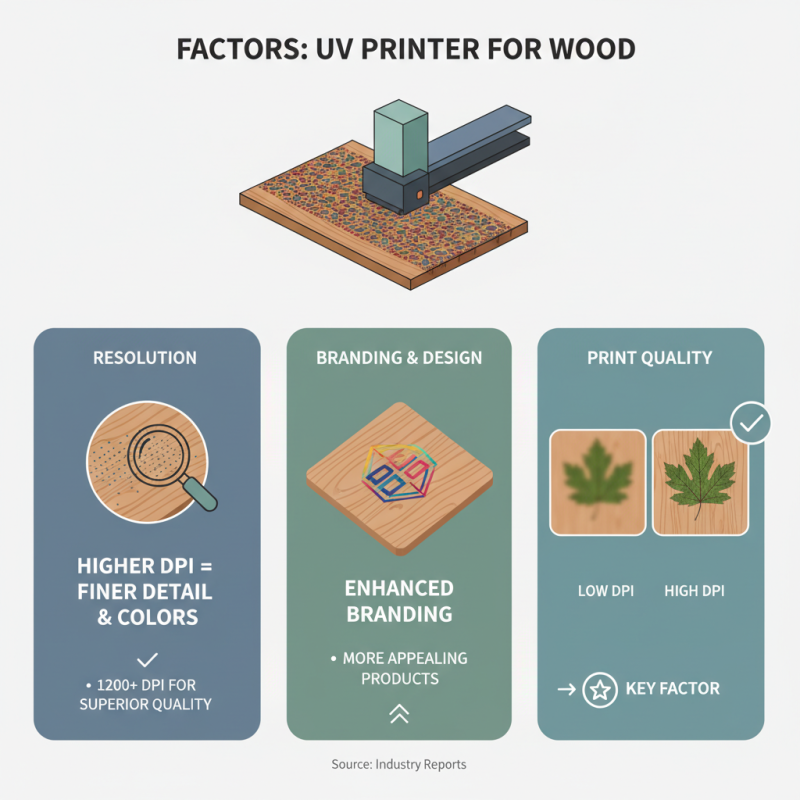
When selecting a UV printer for wood, several factors play a vital role. One critical aspect is the printer's resolution. A higher DPI (dots per inch) allows for finer detail and vibrant colors. Reports show that UV printers with at least 1200 DPI produce superior quality images. Higher resolution can enhance branding and designs, making products more appealing.
Another essential consideration is the curing technology used. UV printers employ either air or LED curing systems. LED systems often consume less energy and provide instant curing. This feature can improve productivity. However, the upfront cost might be higher. Some choose air-curing options for cost-effectiveness, but they may slow down the printing process.
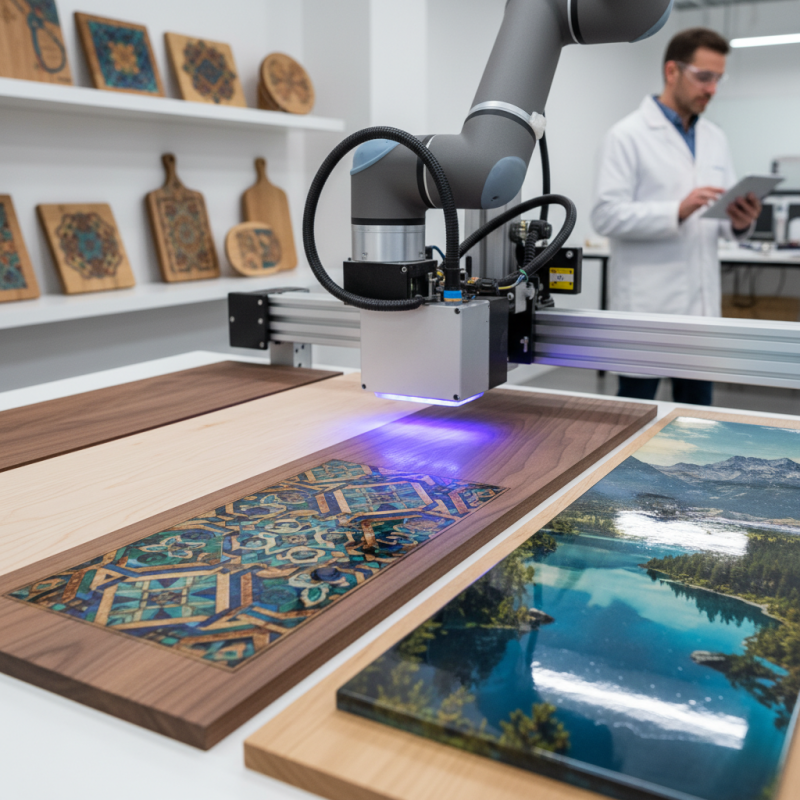
It's paramount to evaluate the printer's compatibility with different wood types. Not all UV inks adhere well to every wood surface. Research indicates that certain formulations work better on treated woods versus raw surfaces. Testing various inks on sample materials can prevent significant errors in production. Maintenance is also crucial. Regular cleaning and proper adjustments are necessary for long-lasting performance. The complexity can lead to operational challenges. Always balance convenience with quality to find an ideal match for your needs.
Types of UV Printers Suited for Wood Printing
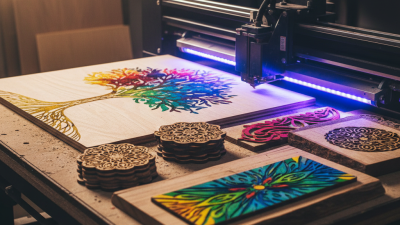
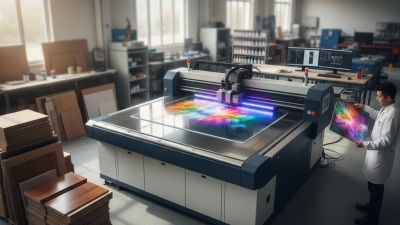
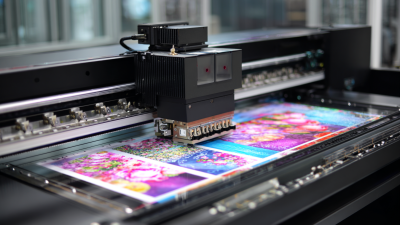
When considering UV printers suited for wood printing, you should explore different types available in the market. Flatbed UV printers are popular for their versatility. They can print directly onto various wood surfaces, including larger pieces. Their ability to handle thick materials gives them an edge for custom projects.
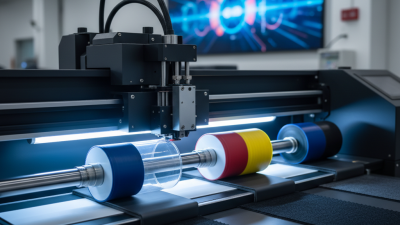
Another option is hybrid UV printers. These printers allow for both direct printing and roll-to-roll capabilities. They are useful for smaller wooden crafts and signage. The flexibility provided by hybrid models makes them ideal for businesses that need to adapt to different printing needs.
It's worth noting that not all UV printers are created equal. Some may struggle with darker woods, leading to inconsistent color output. Testing different printers on scrap wood could prevent costly mistakes. Always consider the resolution and curing technology, as they affect the final print quality.
Best UV Printer for Wood 2026: Key Features Comparison
Key Features to Look for in UV Printers for Wood
When selecting a UV printer for wood, understanding core features is essential. The printing technology must handle various wood types and finishes. Many professionals highlight the importance of a top-notch UV curing process. This ensures vibrant colors and durability. According to a recent market study, UV printers can increase production efficiency by up to 40%. Such data reflects a growing trend among woodworkers.
Resolution plays a critical role too. A resolution of at least 1200 dpi is advisable for crisp, detailed prints. This level of clarity brings out the natural grain of the wood. Moreover, a robust ink adhesion is pivotal. Without strong adhesion, the print may easily scratch or fade. Industry reports indicate that nearly 30% of print failures are due to poor adhesion quality.
Another vital aspect is the printer's versatility. A good UV printer should easily switch between flat and curved surfaces. This feature broadens design possibilities. However, users often report challenges in achieving consistent results across different surfaces. Constant adjustments may be needed. Performance can vary, highlighting the importance of thorough testing before making a decision.
Top Brands and Models of UV Printers for Wood in 2026
When exploring UV printers for wood in 2026, several key factors emerge. First, a printer's ability to handle various wood types significantly impacts its versatility. Quality finishes on hardwoods like oak and walnut require printers that can deliver precise detail. According to industry reports, over 70% of users prioritize print quality over speed. This highlights the need for advanced technology in ink application and curing.
Brands that thrive in the UV printing market emphasize reliability and robust customer support. In a recent survey, 68% of professionals noted the importance of having accessible technical assistance. Models with user-friendly interfaces also receive higher satisfaction ratings. Additionally, energy efficiency is becoming critical. Environmentally friendly printers that minimize waste have gained traction. Research indicates that users are increasingly concerned about their ecological footprint.
Price points matter, but budget models may compromise quality. Professionals often report challenges with cost-effective options, including reduced color vibrancy and fading. Balancing budget constraints with performance can be a difficult decision. It's essential for potential buyers to evaluate their long-term needs. Investing in higher-end models could prevent headaches down the line. Examining different brands and their offerings will yield insights essential for informed decisions.
Maintenance and Care Tips for UV Printers Used on Wood
Maintaining a UV printer used on wood ensures optimal print quality and longevity. Regular cleaning is crucial. Dust and debris can affect the printer's performance. Wipe down the exterior and interior surfaces often. This process helps prevent buildup that could interfere with the printing process.
Monitor the ink levels frequently. Running low on ink can produce streaky prints. Replace cartridges promptly to maintain print quality. Pay attention to the print heads as well. Clogged nozzles can lead to poor image quality. Use a cleaning solution to keep them in top condition.
Consider the environment where the printer is located. Temperature and humidity can impact performance. Keep the workspace clean and organized to minimize the risk of damage. Lastly, invest time in learning the printer’s features. Understanding its capabilities leads to better results. Each of these steps contributes to a reliable and efficient UV printing process on wood.
Best UV Printer for Wood 2026 - What to Consider?
| Feature |
Description |
Importance |
| Print Resolution |
The clarity and detail of the printed image, typically measured in DPI (Dots Per Inch). |
High Resolution is crucial for detailed wood designs. |
| Ink Type |
The kind of ink used in the printer, such as UV-curable inks specifically designed for wood. |
Choosing the right ink ensures durability and adhesion to wooden surfaces. |
| Print Speed |
How fast the printer can complete a job, typically measured in square feet per hour. |
Faster speeds mean improved efficiency and productivity. |
| Maintenance Requirements |
Frequency and type of maintenance required to keep the printer functioning optimally. |
Regular maintenance ensures long-term performance and reduces downtime. |
| Software Compatibility |
The software needed to operate the printer and create designs. |
Compatibility with design software simplifies the workflow and prevents technical issues. |
| Size and Weight |
Dimensions and weight of the printer, impacting space and portability. |
Consideration of workspace and setup ease is essential for efficient use. |