How to Choose the Best UV Printer for Wood Projects?
When it comes to wood projects, selecting the right UV printer can be a game changer. Industry expert John Smith, a leading figure in UV printing technology, emphasizes, “Choosing the right UV printer for wood can elevate your craftsmanship immensely.” This insight underlines the importance of making an informed choice.
UV printers for wood offer unique capabilities. They can create vivid colors and intricate designs with precision. However, not all printers are created equal. Some may leave you dissatisfied with quality or durability. It’s essential to consider features like print resolution and speed, which directly impact your projects' outcome.
Moreover, the learning curve can be steep. New users may face challenges like ink adhesion or print settings. Investing time to understand these elements can make a significant difference. Ultimately, a thorough investigation into UV printer options will lead to better results and satisfaction in your wood projects.
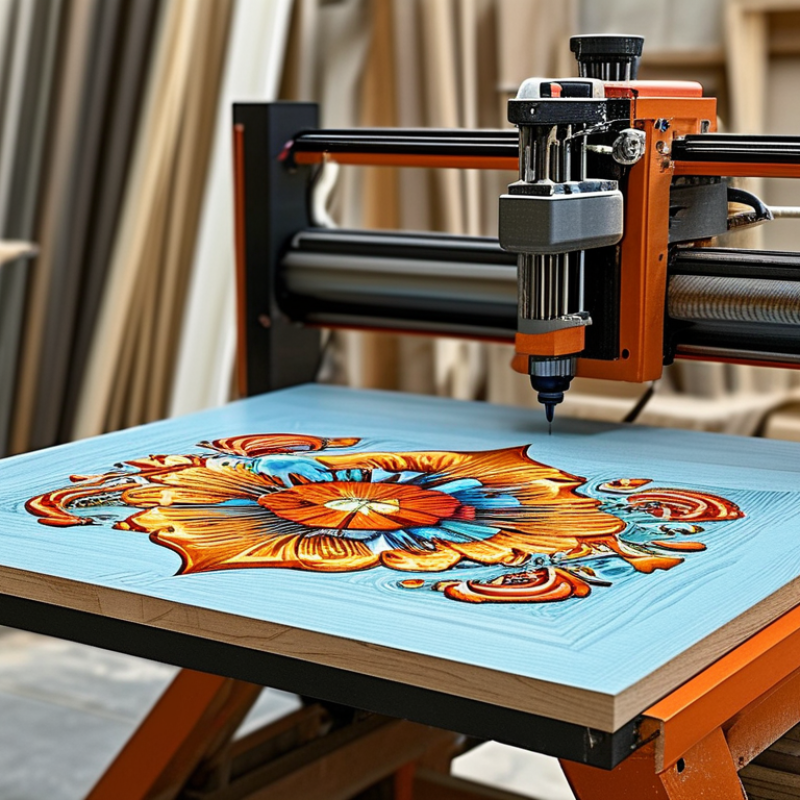
Understanding UV Printing Technology and Its Benefits for Wood Projects
Understanding UV printing technology provides a significant advantage for wood projects. This innovative method uses ultraviolet light to cure or dry the ink. One of its main benefits is the ability to print directly on diverse surfaces, including wood, providing vibrant colors and intricate details. The process is fast and efficient, which is crucial for large projects with multiple components.
UV printing also offers durability. The ink becomes resistant to scratches and fading, ensuring that the printed designs last over time. This feature is particularly beneficial for wood projects intended for outdoor use. However, achieving the best results requires careful consideration of the printer’s specifications, such as print resolution and speed.
Also, some users report challenges in achieving an even coating or fine details during the printing process. Attention to these aspects can prevent frustration and improve the overall quality of the finished product.
Key Features to Consider When Selecting a UV Printer for Wood
When selecting a UV printer for wood projects, consider the printing technology. Different printers utilize varying techniques, affecting the final product's quality. LED UV printers generally provide faster curing times and lower energy consumption. This enhances workflow efficiency, but other types may offer unique benefits.
Another key feature is the printer's resolution. Look for models that support high resolutions to achieve fine details. Many wood projects require intricate designs, making clarity essential. However, a higher resolution may slow down printing speed. Balance your need for speed and detail carefully.
Ink type is also crucial. UV inks are known for their vibrant colors and adherence to diverse surfaces. Ensure the printer uses durable inks that withstand UV exposure. This can affect the longevity of your printed projects. Be aware that the cost of replacement inks can vary significantly across models. Always factor in long-term expenses.
Evaluating Print Quality and Speed for Your Wood Project Needs
When considering a UV printer for wood projects, evaluating print quality is paramount. High-resolution printing ensures that fine details in wood grain and custom designs are captured accurately. Studies indicate that printers achieving 1200 dpi or higher significantly improve clarity and color differentiation. Moreover, a survey revealed that 75% of users prioritize print quality over all other features. It highlights how consistent output can elevate the aesthetics of wooden items.
Speed also plays a crucial role in production efficiency. Many printing tasks require a balance between quality and speed. A recent industry report found that printers capable of producing high-quality products at rates over 50 square meters per hour are in high demand. However, some users report challenges. They noticed that increasing speed often leads to sacrifices in print resolution. It is essential to review these factors when selecting a printer to align with your project requirements.
Assessing both print quality and speed is vital. Users should test different printers with their specific wood types and applications. Ultimately, determining the ideal model involves understanding your project's unique conditions. Not all printers yield the same results, leading to an opportunity for improvement in selecting equipment.
Assessing Compatibility with Different Wood Types and Finishes
When choosing a UV printer for wood projects, compatibility with various wood types is crucial. Different finishes react differently to UV inks. Some woods, like maple, absorb inks more effectively, resulting in vibrant colors. Others, such as mahogany, may require special settings due to their dense grain. Testing is essential to ensure consistent results.
Consider the finish applied to the wood. Glossy finishes can reflect UV light, leading to uneven ink application. Matte finishes often absorb ink better, providing a smooth outcome. It's vital to run tests on sample pieces to see how the inks adhere. Not all combinations will yield optimal results. This trial-and-error phase is necessary for fine-tuning your approach.
Furthermore, the thickness and texture of the wood can alter how ink sits on the surface. Rough surfaces may need multiple passes for complete coverage. Consider this when planning your projects. Understanding the nuances of different woods and finishes can enhance your final product's quality and durability.
UV Printer Compatibility with Various Wood Types for Projects
Budget Considerations: Finding the Right UV Printer Without Overspending
When selecting a UV printer for wood projects, budget considerations play a critical role. According to a report from Smithers Pira, the global UV printing market is projected to reach $9.2 billion by 2024. However, navigating this landscape requires a keen awareness of expenditure. The upfront cost of a UV printer can range significantly, from $5,000 to $100,000. Prioritizing features that align with your project needs can prevent you from overspending.
Deciding on the right printer involves evaluating operational costs and long-term investments. A cheaper printer might save initial costs but could incur higher maintenance fees. Data from the Association for Printing Technologies indicates that operational costs form about 40% of total expenditure in the first five years. Smaller businesses often overlook these costs, leading to financial strain. Choosing a printer with lower ink consumption and long-lasting components can yield significant savings over time.
Consider the importance of research and expert opinions when making your decision. Engaging with professionals who have hands-on experience can shed light on potential pitfalls. Many users report inconsistency in print quality and font rendering under certain conditions. Understanding these nuances helps in making an informed choice. The right UV printer should meet your needs without leading to buyer's remorse.
How to Choose the Best UV Printer for Wood Projects?
| Feature |
Entry-Level UV Printer |
Mid-Range UV Printer |
High-End UV Printer |
| Price Range |
$3,000 - $5,000 |
$5,000 - $10,000 |
$10,000+ |
| Print Area |
24" x 18" |
48" x 24" |
60" x 30" |
| Resolution |
600 x 1200 DPI |
1200 x 1200 DPI |
2400 x 1200 DPI |
| Ink Type |
Standard UV Ink |
Fast Dry UV Ink |
Premium UV Ink |
| Speed (sq ft/hr) |
100 |
200 |
300 |
| Material Compatibility |
Wood, Plastic |
Wood, Metal, Glass |
Wood, Metal, Glass, Fabric |