Why Choose DTF Printer Over UV Printer for Your Business?
In the competitive world of printing technology, businesses face a critical choice: DTF Printer or UV Printer. Industry expert, John Smith, states, “DTF printing offers flexibility and cost-effectiveness that UV printing often cannot match.” This perspective highlights a growing trend among entrepreneurs who seek innovation and practicality.
DTF printers utilize an advanced process that allows for vibrant designs on various materials. They stand out for their ability to produce high-quality images while maintaining lower costs. In contrast, UV printers are more rigid with their application strengths, often requiring specific surfaces. This limitation can hinder creative freedom and increase operational costs.
Many businesses report challenges when transitioning from UV to DTF technology. The learning curve can be steep, and some may question if the investment is worth it. However, as John Smith notes, “Taking risks on new technology can lead to outstanding rewards.” In an evolving market, exploring DTF Printer UV Printer comparisons may reveal untapped potential for growth and profitability.
DTF Printing: An Overview and Its Advantages
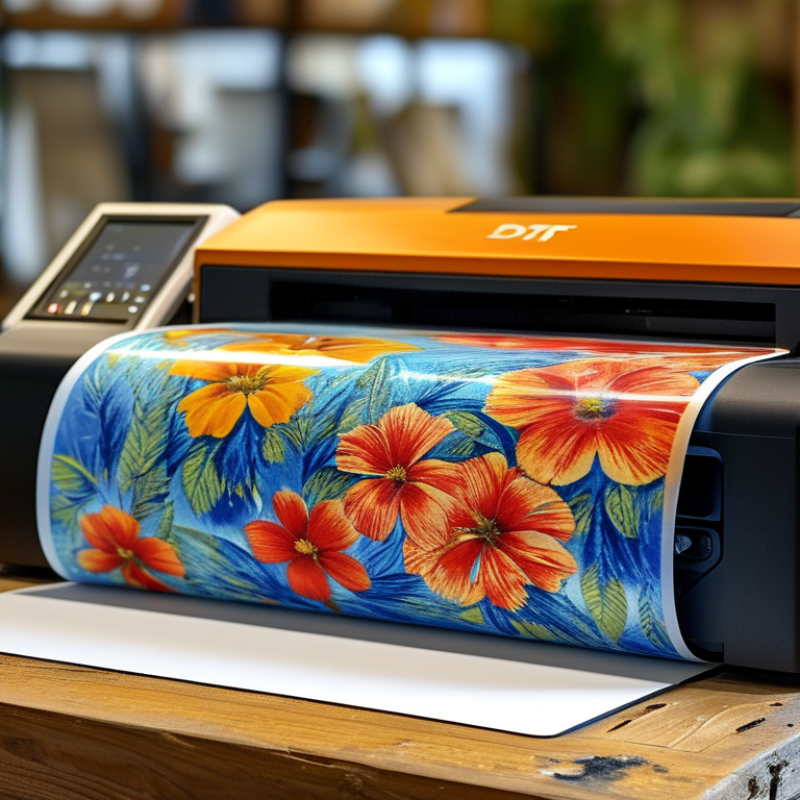
DTF printing, or Direct to Film printing, has gained traction in recent years. This process transfers designs onto various fabrics and materials. It's especially popular for custom apparel. One major advantage is the vibrant colors DTF printers can produce. This method allows for intricate designs and gradients that can make your products stand out.
Another benefit of DTF printing is its versatility. DTF can print on cotton, polyester, and blends, making it suitable for a wide range of applications. The ink adheres well, resulting in durable prints. Unlike UV printers, DTF technology offers a softer feel, which is essential for clothing. However, it does have a learning curve. Proper settings and materials are crucial for achieving the best results.
Cost-effectiveness is a key point too. DTF printers often have lower operating costs compared to UV printers, especially for small batches. The initial investment might seem high, but it pays off in the long run. Yet, businesses should consider their specific needs before making a decision. Understanding the advantages and limitations can lead to wiser choices.
Why Choose DTF Printer Over UV Printer for Your Business?
| Feature |
DTF Printer |
UV Printer |
| Print Quality |
High color vibrancy and detail |
Excellent for rigid materials, but can lack vibrancy on soft materials |
| Material Compatibility |
Works on various fabrics and materials |
Best for rigid surfaces like wood, glass, and metal |
| Setup and Maintenance |
Generally easier setup, requires less maintenance |
More complex setup; requires regular maintenance |
| Cost Efficiency |
Lower cost for prints and materials |
Higher initial equipment costs and material expenses |
| Production Speed |
Faster printing on textiles |
Slower for fabric printing due to curing time |
| Durability |
Highly durable against washing and wear |
Also durable, but can fade over time with certain inks |
Key Differences Between DTF and UV Printing Technologies
When considering printing technologies for your business,
DTF and
UV printing offer distinct advantages.
DTF, or
Direct-to-Film printing, is a technology that transfers designs onto various surfaces using heat.
It excels with textiles, making it a favorite in apparel industries.
Reports show that the textile printing market is expected to reach $1.2 billion by 2025, indicating a growing demand for efficient methods like DTF.
In contrast, UV printing uses ultraviolet light to cure ink as it is printed.
This method is highly versatile for materials like plastic, wood, and glass.
Research indicates that UV printing growth is projected to increase by 8% annually, driven by its durability and speed.
However, the cost of UV printers can be significantly higher, often leading to a steeper investment for businesses.
Despite its advantages, DTF technology also has drawbacks.
The quality of transfers may not match UV prints on all surfaces, especially shiny or textured materials.
Print longevity is another concern, as DTF prints can fade after multiple washes if not treated properly.
Ultimately, a careful analysis of both methods can guide businesses in making the right choice for their specific needs.
Cost-Effectiveness of DTF Printers for Small Businesses
DTF printers are increasingly popular for small businesses. They provide significant cost advantages compared to UV printers. For starters, DTF printers use less ink and have lower maintenance costs. This makes them ideal for entrepreneurs watching their budgets. The upfront investment is generally lower, allowing businesses to allocate resources wisely.
A crucial tip for maximizing cost-effectiveness is to buy bulk supplies. Purchasing transfer films and inks in larger quantities can reduce costs significantly. This approach also minimizes restocking interruptions during busy periods. Additionally, proper training for staff can lead to more efficient printing processes. Understanding the machine's capabilities helps avoid costly mistakes.
It’s worth noting that DTF technology isn’t perfect. Some users report learning curves in handling the equipment. This can lead to initial waste and frustration. However, with practice, many find these challenges manageable. Emphasizing skill development in your team can help mitigate these early setbacks. Investing in training might save money in the long run.
Versatility of DTF Printers: Applications in Various Industries
DTF printers are making waves across various industries for their versatility. Unlike UV printers, DTF technology offers a unique range of applications, which can be beneficial for businesses. DTF printers excel at transferring vibrant designs onto materials like fabrics and textiles. This opens up creative possibilities for custom apparel, home goods, and promotional items.
Moreover, the flexibility of DTF printing is noteworthy. It can work on different surfaces, ensuring high-quality results across diverse products. From t-shirts to tote bags, DTF printers adapt to various materials, sometimes even those that UV printers struggle with. While some might question the durability of DTF prints, advancements in inks and processes are constantly improving resilience.
However, DTF printers require careful calibration and understanding of materials. Achieving optimal results may involve trial and error. This learning curve can be frustrating yet rewarding. Businesses need to invest time to grasp the nuances of DTF printing. With practice, the potential for creative output is immense. The challenges faced can lead to a deeper mastery of the technology, enhancing overall production quality.
Durability and Print Quality Considerations in DTF vs. UV Printing
When evaluating DTF (Direct to Film) and UV (Ultraviolet) printing technologies, durability and print quality are paramount.
DTF printing excels in flexibility, allowing for vibrant colors on various fabric types. This method uses a special transfer film, ensuring that prints are resistant to fading. According to a report by Smithers Pira, DTF prints can maintain color integrity even after over 50 washes, making it a popular choice for apparel businesses.
In contrast, UV printing is celebrated for its strong adhesion on rigid surfaces. However, its longevity on flexible fabrics can be less impressive. While UV inks are durable, they may not withstand the same level of wear and tear as DTF prints.
A study by Grand View Research indicates that UV printing may experience color shifting under prolonged sun exposure, affecting overall quality.
Consider this when deciding which technology meets your business needs.
Each method has its strengths, but it’s essential to assess your products' specific requirements.