How to Choose the Best Roll To Roll UV Printer for Your Business?
Choosing the right Roll To Roll UV Printer is crucial for businesses today. Industry research indicates that the UV printing market is expected to reach $24 billion by 2025, reflecting its growing importance. According to John Smith, a leading expert in UV printing, “Investing in the right equipment is key to staying competitive.”
Selecting a Roll To Roll UV Printer requires a balance of quality and functionality. Businesses must consider factors like printing speed, media compatibility, and maintenance costs. For instance, some models offer quicker turnaround times but may compromise on color accuracy. Evaluating these trade-offs is essential for optimal investment.
Moreover, understanding the specific needs of your business is vital. Different industries demand various printing capabilities. A thorough analysis can prevent costly mistakes. Reflecting on the broader market trends also helps in making an informed decision. The journey involves learning from the gaps in current offerings and recognizing areas for improvement in your choice.
Understanding Roll To Roll UV Printers: Key Features and Benefits
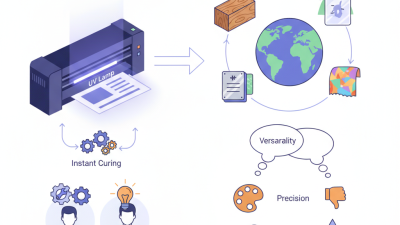
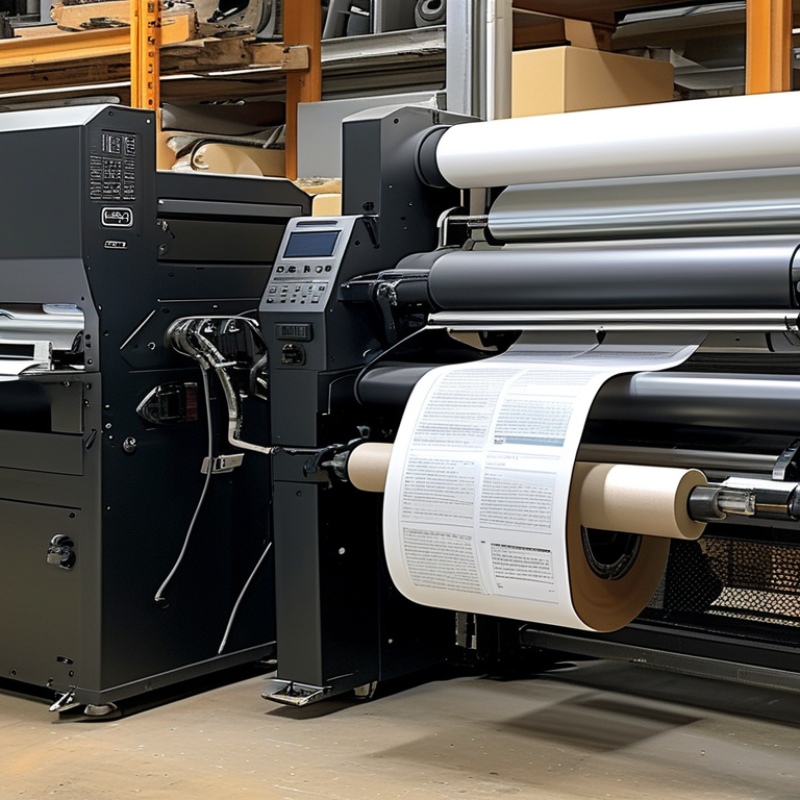
When selecting a roll-to-roll UV printer, understanding its key features is essential. These printers utilize UV curing technology, enabling fast drying and curing of inks. This method allows for vibrant color reproduction and high print quality. According to a recent industry report, UV printing is expected to grow by over 7% annually through 2025. This growth highlights the increasing adoption of these printers across various sectors.
One significant advantage of roll-to-roll UV printers is their versatility. They can print on various materials, from vinyl to fabric, making them ideal for signage and promotional materials. However, some printers may have limitations regarding material thickness or roll size. Careful consideration of these factors is vital. Additionally, the initial investment can be substantial, and maintenance costs should not be overlooked. Balancing these aspects can lead to better decision-making for businesses.
Another critical factor is print speed and production efficiency. While some printers offer high-speed production, others may require longer processing times for detailed prints. According to a study by the Printing Industry Association, up to 30% of print jobs may face delays if proper equipment is not selected. Thus, businesses must align their production needs with the capabilities of the printer. This ensures that they can meet customer demands effectively, avoiding lost opportunities in a competitive market.
Assessing Your Business Needs: Determining the Right Printer Size and Speed
Choosing the right size and speed for your roll-to-roll UV printer is crucial. Start by evaluating the scale of your projects. A small operation may not require a high-speed printer. However, as your business grows, speed becomes essential. Efficient printers can enhance productivity and reduce turnaround times. Balance is key; picking a printer that is too fast may lead to issues if your workload doesn't match.
Next, consider the types of materials you will print on. Some materials might need specific printer sizes. A larger media roll can accommodate bigger designs, but if you're mainly printing smaller items, a compact model will suffice. Think about your workspace as well; an oversized printer can overwhelm a small room. Reflect on your layout and ensure that your printer fits nicely.
Think about future needs too. Will you expand your product offerings? Anticipate how changing demands could affect your printer's capabilities. It's a challenge to predict, but staying adaptable is vital. Even the best printers won’t serve you well if they cannot evolve with your business needs. Assessing these factors thoroughly can prevent regretful decisions later on.
Evaluating Print Quality: Factors Influencing UV Printer Performance
When evaluating UV printer performance, print quality is paramount. Several factors influence the final output. First, the type of UV ink used can significantly affect color vibrancy and adhesion to substrates. High-quality inks provide better coverage and durability, while lower quality may lead to fading or peeling.
Next, print head technology plays a crucial role in detail accuracy. Some printers use advanced print heads that allow for finer nozzle sizes. This results in sharper images and smoother gradients, especially important for intricate designs. Additionally, the speed of the printer impacts overall efficiency. A faster printer can save time, but it’s essential to balance speed with quality to avoid compromising the final product.
Don’t overlook substrate compatibility. Certain materials may not hold UV prints as well due to texture or surface properties. Conducting tests on different substrates helps determine the best combination for your needs. Mistakes in substrate choice can lead to misaligned designs or insufficient ink adhesion. Ultimately, achieving the best print quality requires careful consideration of these factors, each influencing the printer's overall performance and your business’s reputation.
How to Choose the Best Roll To Roll UV Printer for Your Business? - Evaluating Print Quality: Factors Influencing UV Printer Performance
| Factor |
Description |
Impact on Print Quality |
Rating (1-5) |
| Resolution |
The pixel density of the prints, measured in DPI (dots per inch). |
Higher resolutions provide finer details and sharper images. |
5 |
| Color Accuracy |
The printer's ability to reproduce colors accurately according to standard color profiles. |
Essential for branding and high-end graphics. |
4 |
| Ink Type |
Different UV inks can affect the vibrancy and durability of the print. |
Quality inks lead to longer lasting prints and better color payoff. |
4 |
| Print Speed |
Measured in square feet per hour, determining how fast a printer can produce prints. |
Important for meeting production deadlines in high-demand scenarios. |
3 |
| Media Compatibility |
The variety of materials the printer can handle (e.g., paper, vinyl, canvas). |
Greater versatility in applications leads to more business opportunities. |
5 |
Budget Considerations: Cost of Purchase, Maintenance, and Supplies
When considering a roll-to-roll UV printer, budget plays a crucial role. The initial purchase price can vary significantly. According to industry reports, prices range from $10,000 to over $100,000. A higher-end model often provides superior print quality and durability. However, small businesses may struggle with high upfront costs, leading to tough financial decisions.
Maintenance and supply costs are often overlooked. Experts suggest budgeting 10-15% of the purchase price annually for maintenance. This can add up quickly. Additionally, ink and media represent ongoing expenses. Quality UV inks can cost between $100 and $300 per liter, depending on the color and finish. Regularly replacing print heads also adds to the expense.
Investing in training for staff is another consideration. Without proper training, even the best printer may underperform. Many businesses face challenges in achieving optimal output due to a lack of knowledge. Balancing these factors requires careful planning. Assessing both short-term and long-term costs can lead to better decisions.
Researching Brands and Models: Finding the Most Reliable Manufacturers
Choosing the right roll-to-roll UV printer involves a thorough search for credible brands and models. Industry reports indicate that reliable manufacturers often adhere to established standards, which enhances the longevity of the printers. Quality control processes and customer service can significantly impact operational efficiency. For instance, a study by Smithers Pira shows that up to 30% of printers face production downtime due to equipment failure. Selecting a company with a solid track record can mitigate these risks.
When exploring available options, it's vital to evaluate customer reviews and testimonials. These sources can reflect real-world performance. Not all printers live up to manufacturer claims. A breakdown of reputable brands often reveals a pattern; innovations and customer support tend to align with user satisfaction. Additionally, understanding warranty offerings can signal manufacturer confidence. A lack of comprehensive warranties might indicate potential product reliability issues. Some manufacturers may even fall short in post-purchase service, which affects long-term usability.
Technical specifications should not be overlooked. Features like print speed, color accuracy, and media compatibility can vary widely among models. Seeking out printers that offer substantial technical documentation can aid in comparisons. However, even devices touted as high-end can struggle with specific kinds of media. Each business has unique needs; it's essential to align equipment capabilities with those demands for optimal results.
Comparison of Key Features for Roll To Roll UV Printers