How to Choose the Best Drinkware UV Printer for Your Needs?
When selecting the best Drinkware UV Printer for your needs, expert insights can be invaluable. John Smith, a leading authority in the UV printing industry, emphasizes, “It's essential to understand your specific requirements before making a choice.” This remark highlights the importance of aligning the printer’s capabilities with your unique objectives.
Selecting the right Drinkware UV Printer involves examining various factors. Consider the print size and resolution. Higher resolution offers better quality, which is crucial for detailed designs. Additionally, the materials you plan to print on play a significant role. Some printers excel with certain substrates while faltering with others. For instance, a machine ideal for glass might not perform well on plastic.
Cost is another vital factor. While lower-priced options can save money upfront, they may lack features and durability. Investing in a reliable printer often leads to superior quality and longevity. Reflecting on past experiences with different models can guide your decision-making process. Ultimately, a thoughtful choice can enhance your printing projects significantly.
Understanding the Different Types of Drinkware UV Printers Available
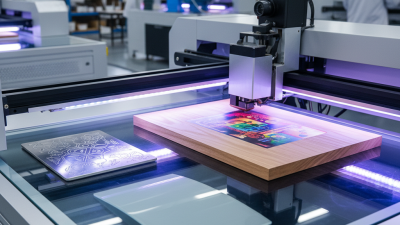
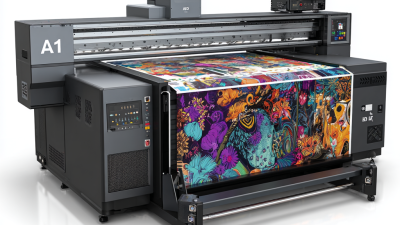
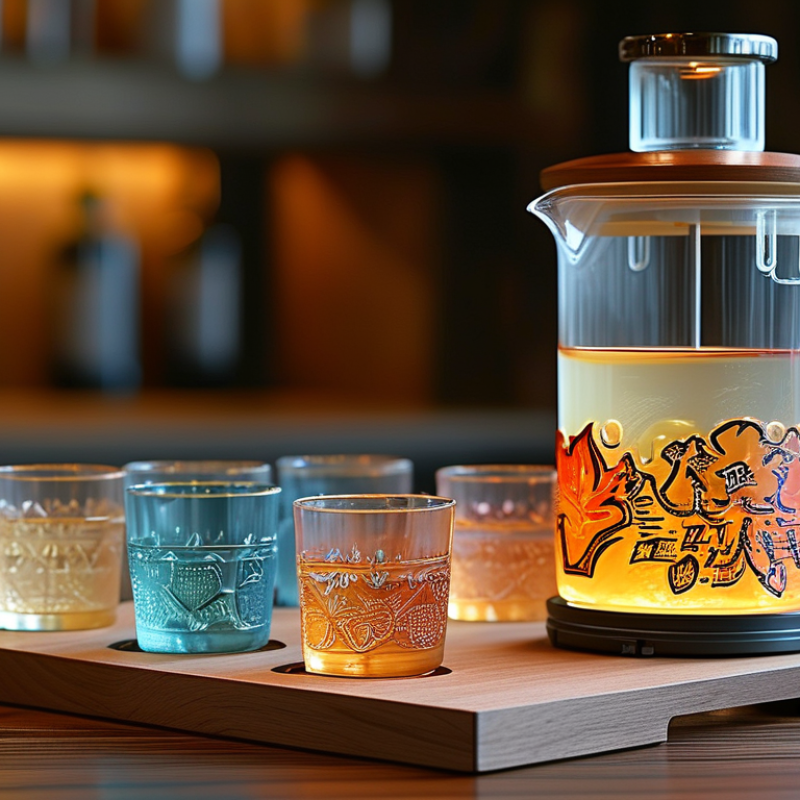
When selecting a drinkware UV printer, understanding the various types available is crucial. There are three main categories: flatbed printers, roll-to-roll printers, and hybrid printers. Flatbed printers are versatile, suitable for printing directly on various drinkware shapes. They provide excellent color fidelity and detail. Roll-to-roll printers are often more compact and can handle various substrates. Hybrid printers combine features of both, making them an attractive option for flexibility.
Market reports indicate that the UV printing industry is projected to grow by 10% annually. This growth is driven by technological advancements and increased demand for personalized products. Numerous small businesses are entering the market, making competitive pricing essential. Assessing features like speed, print resolution, and software compatibility is necessary.
**Tip:** Always consider the volume of production you require. A printer that suits low-volume orders may not perform well for high demand. **Tip:** Pay attention to maintenance costs. Some printers might appear affordable but can incur high operating costs. Evaluate the long-term implications for your business. Quality matters, but not all high-cost printers are guaranteed to deliver superior results. Evaluate and compare before making a choice.
How to Choose the Best Drinkware UV Printer for Your Needs?
| Printer Type |
Print Resolution |
Max Print Size |
Material Compatibility |
Price Range |
| Entry-Level |
600 x 600 dpi |
6 x 6 inches |
Ceramic, Plastic |
$2,000 - $5,000 |
| Mid-Range |
1200 x 1200 dpi |
12 x 12 inches |
Glass, Stainless Steel |
$5,000 - $10,000 |
| High-End |
1440 x 1440 dpi |
24 x 18 inches |
All Types |
$10,000 - $20,000 |
| Industrial |
2400 x 2400 dpi |
Custom Sizes |
Customized Materials |
$20,000+ |
Key Features to Consider When Selecting a Drinkware UV Printer
Selecting the right drinkware UV printer involves careful consideration of key features that align with your specific needs. One crucial factor is the print resolution. Higher resolution ensures sharper images, which is essential for branding. Look for printers that offer adjustable settings. These can cater to various designs and materials.
Another significant feature to assess is versatility. Ensure the printer can handle different types of drinkware. This includes glasses, mugs, and bottles. A printer with adjustable height and width accommodates various sizes effectively. It's also helpful to have a machine that can print on both flat and curved surfaces.
Don't overlook the software compatibility. User-friendly software makes it easier to create and modify designs. This can save time and reduce errors. Researching user reviews can provide insights into a printer's performance. It's worth noting that some users may experience technical glitches. Documenting these issues can help you make a more informed decision.
Evaluating Print Quality and Speed for Your Specific Needs
When selecting a drinkware UV printer, print quality should be a top consideration. High-resolution prints enhance product appeal. Determine the optimal resolution for your projects, as it directly impacts the final outcome. In general, a printer offering at least 1200 dpi is a good starting point for professional-grade results.
Speed is another crucial factor. Assess how quickly a printer can produce your desired output. Different models cater to various production needs. For small-scale operations, a slower printer may suffice, while high-demand businesses require faster options. Always balance speed with maintainable quality.
**Tips**: Test print samples before purchasing. This will help evaluate both speed and quality firsthand. Keep in mind that faster speeds might sometimes lead to reduced detail. Regularly clean and maintain your printer for consistent performance. Adjustments may be needed over time, so don’t overlook this aspect. Look for user feedback to gauge reliability.
Budget Considerations: Finding a Drinkware UV Printer Within Your Range
Choosing the right drinkware UV printer requires careful budgeting. Prices can vary widely. It’s essential to know your range before making a decision. Many printers offer similar features but at different price points. Draw a budget plan that includes not only the cost of the printer but also the materials and maintenance.
Consider how often you will use the printer. If you’re starting a small business, investing in a mid-range model might be wise. There’s a risk in buying a cheaper model that may lack durability or print quality. Evaluate the long-term value and reliability of potential options.
Tips: Research online for user reviews. Look for printers with a good warranty. This can save costs if issues arise later. Don’t ignore the importance of customer support when choosing your printer. Spending time on these details can lead to a more satisfying purchase.
Where to Buy: Determining the Best Suppliers for Drinkware UV Printers
When selecting a UV printer for drinkware, the supplier plays a crucial role. The right supplier can influence quality and performance. Recent market analysis shows that the global UV printer market has grown by 15% annually. This growth indicates a rising demand for reliable suppliers. To ensure you select a good supplier, look for those with strong industry experience.
Tip: Check supplier reviews and testimonials. Experienced suppliers often have a proven track record. Seek out feedback from current customers. They provide insights into product quality and customer service. A dependable supplier should also offer technical support and training.
Supply chains can be complex. Not all suppliers guarantee timely delivery or consistent quality. Researching various suppliers helps avoid pitfalls. Look for certifications that showcase reliability. High-standard suppliers often have quality control processes in place. This adds credibility to your investment in the drinkware UV printer.
Drinkware UV Printer Features Comparison