Best Cylinder Printers for Your Business Needs in 2026?
As businesses evolve, staying competitive requires the right tools. Cylinder printers are becoming increasingly vital for many industries. These printers offer unique advantages, including high-quality printing and versatility.
In 2026, choosing the best cylinder printer can be daunting. Different models cater to varying business needs. Understanding your requirements is essential. Some printers excel at mass production, while others focus on detailed designs. It's crucial to evaluate the benefits of each option.
The landscape of cylinder printers is competitive. New technologies emerge constantly. Some printers promise faster speeds, while others emphasize quality. However, not all products live up to their claims. Some may require frequent maintenance or incur hidden costs. Making an informed decision is key to ensuring your business remains efficient and successful.
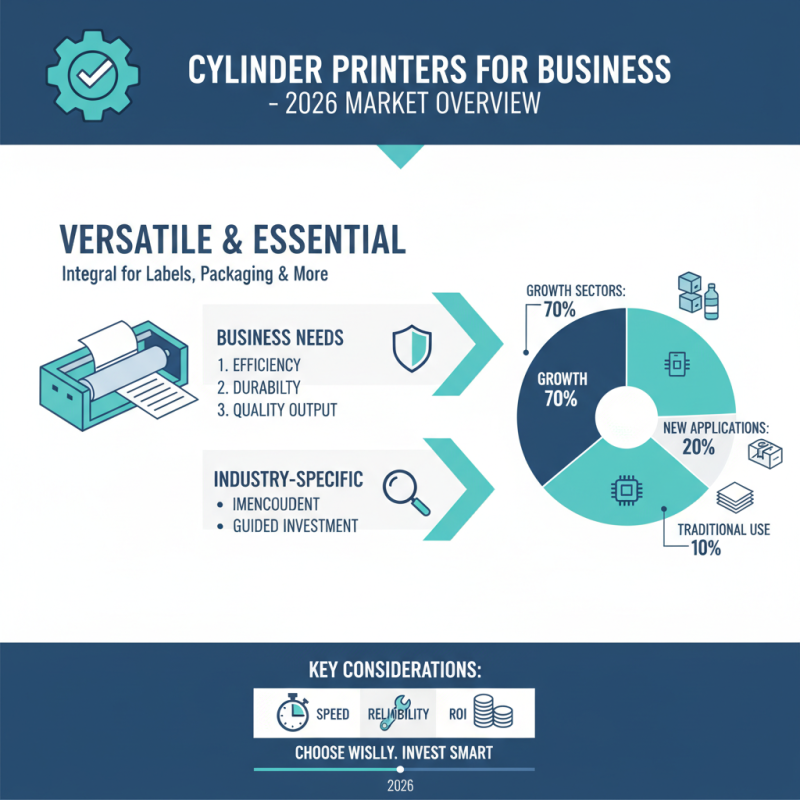
Best Cylinder Printers for Business Needs in 2026: Market Overview
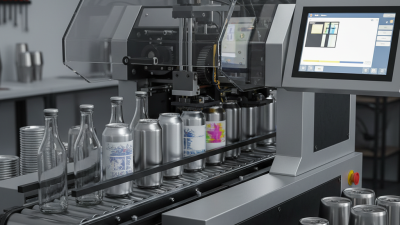
In 2026, cylinder printers are becoming integral to many businesses. These devices cater to a variety of printing needs, from labels to packaging. Their versatility is crucial. Businesses seek efficient output and durability. However, not every cylinder printer offers the same quality or efficiency. Understanding the specific requirements of your industry can guide your investment.
Market trends indicate a growing emphasis on sustainability. Companies are increasingly focused on eco-friendly printing solutions. Innovations include energy-efficient machines and biodegradable inks. Yet, some products still lag in adopting these practices. This gap highlights a need for thorough research before purchasing.
It's essential to evaluate each machine's features closely. Pay attention to print speed, resolution, and user-friendliness. Some models may require advanced training, which can be a setback for teams. Real-world testing can reveal limitations that glossy brochures might not show. Consequently, potential buyers should consider firsthand experiences, gathering insights from current users.
Key Features to Look for in Cylinder Printers for 2026
When considering cylinder printers for your business in 2026, certain features stand out. Reliability is crucial. Look for models that operate efficiently without frequent breakdowns. A robust build ensures longevity, which can save costs long-term.
Efficiency is also a key feature. Faster printing speeds can enhance productivity. Choose printers that minimize waste, such as ink or material. This not only protects the environment but also reduces expenses.
Connectivity options are evolving. Wi-Fi and mobile printing features are becoming standards. These allow seamless integration into your workflow. Easy maintenance is another aspect to consider. User-friendly designs can lead to less downtime. Reflect on your needs carefully. Each business is unique, and the ideal printer should match specific requirements.
Comparative Analysis of Top Cylinder Printers in 2026
In 2026, the cylinder printing market is rapidly evolving, driven by innovative technology and diverse business needs. Industry reports indicate that demand for high-quality, efficient printing solutions is at an all-time high. Detailed analyses show that nearly 25% of businesses are shifting towards digital cylinder printers. These machines not only enhance productivity but also reduce waste significantly.
Users emphasize the importance of print quality and speed. A recent study revealed that 70% of businesses prioritize these factors when selecting equipment. Interestingly, while many printers excel in color accuracy, they often struggle with speed. This gap highlights a critical area for improvement. Moreover, operational costs also vary widely. Reports suggest that some printers yield lower costs per unit, making them appealing for larger print jobs.
Choosing the right cylinder printer involves balancing these factors. Some models may have advanced features but lack reliability. Conversely, more straightforward machines can sometimes deliver superior performance. A careful evaluation of these aspects is essential. An informed decision will ultimately depend on individual business needs, ensuring the selected printer aligns with long-term goals.
Best Cylinder Printers for Your Business Needs in 2026
Cost Efficiency: Evaluating the ROI of Cylinder Printers in 2026
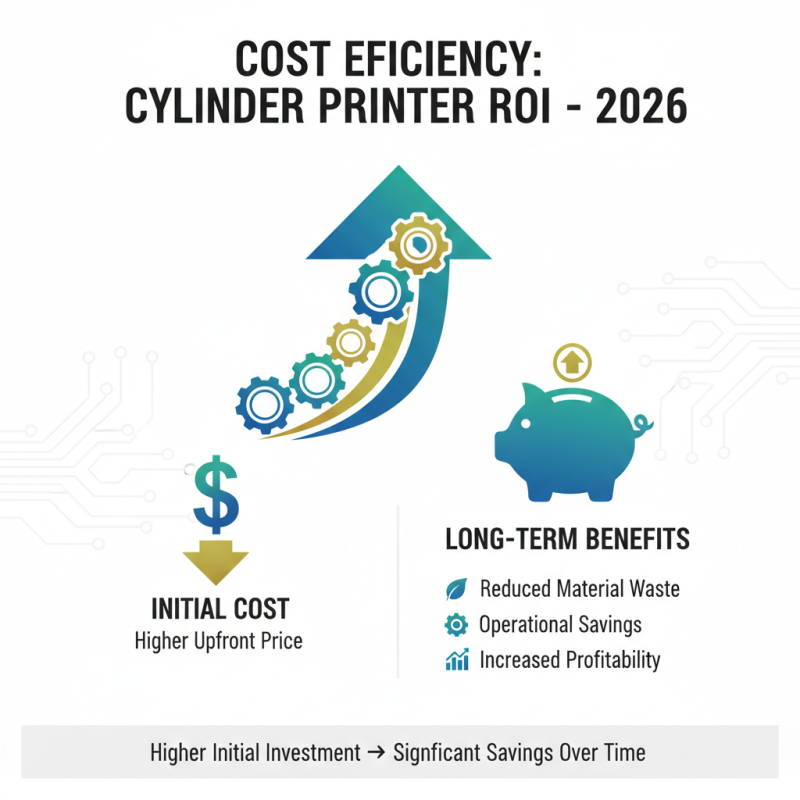
As businesses seek cost-effective solutions, analyzing the ROI of cylinder printers becomes crucial. In 2026, organizations must consider initial costs alongside the long-term benefits. Cylinder printers often have a higher upfront price, but they can deliver significant savings over time. The efficiency of these printers can reduce material waste during production. Companies can maximize profitability by lowering operational costs.
Customization options offered by cylinder printers also enhance their value. Businesses can create products tailored to customer preferences, potentially increasing market share. However, not all cylinder printers have the same performance level. It's vital to evaluate specifications and maintenance needs carefully. An underperforming printer can lead to unexpected expenses.
Monitoring production schedules can help gauge efficiency. If your printer frequently breaks down, costs rise. Evaluating user feedback on durability and service life is essential. This information can inform better purchasing decisions. Take time to reflect on past experiences. What worked? What didn’t? Making data-driven choices will likely lead to improved outcomes.
Technological Advancements Shaping Cylinder Printing in 2026
As we approach 2026, cylinder printing technology is set to transform drastically. Recent industry reports indicate that the market for cylinder printing is expanding, projected to reach $5 billion by the end of this year. The rise in demand for packaging solutions that combine durability and aesthetics drives this growth.
One major advancement is the integration of automation. Automated cylinder printers enhance production speed and reduce human error. For instance, some systems can operate with minimal supervision. This improvement leads to higher efficiency and lower operational costs. Additionally, new software tools are emerging. These tools enhance color management and allow for precise control.
Sustainability is another critical focus. More businesses are seeking eco-friendly materials and processes. According to recent findings, 70% of companies prioritize sustainable practices in their printing processes. Yet, while these advancements are notable, some challenges remain. The initial investment in new technology can be prohibitive for small businesses. It is essential to balance innovation with cost-effectiveness to maximize benefits.