What is the Best Industrial UV Printer for Your Business Needs?
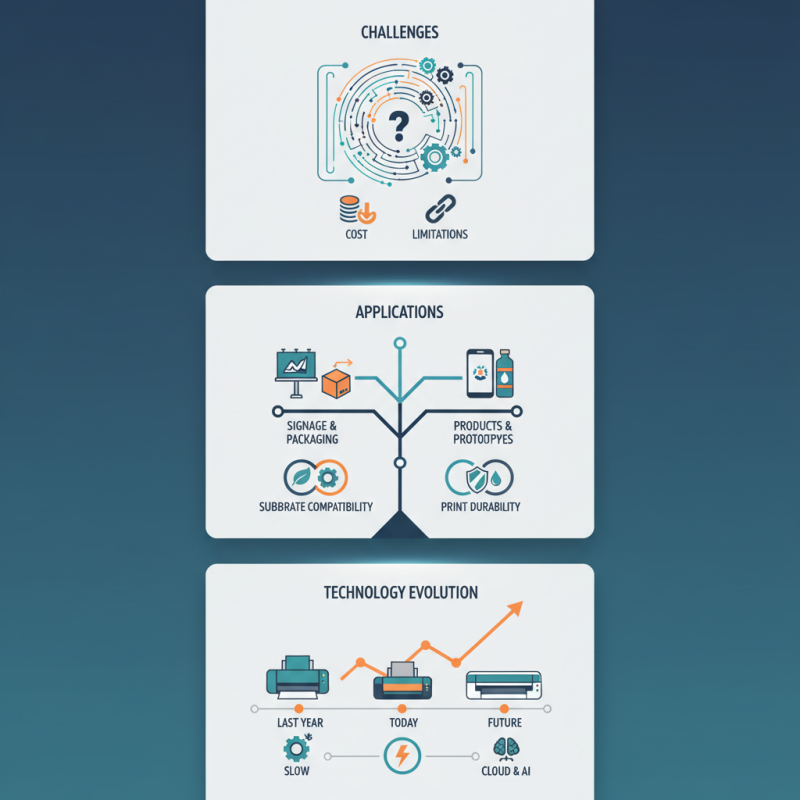
Choosing the right Industrial UV Printer can be challenging for many businesses. Companies face various needs and limitations. Renowned expert, John Smith, noted, "The right UV printer must align with your unique production goals." This highlights the importance of understanding specific requirements before making a decision.
From signage to packaging, applications for Industrial UV Printers are vast. A printer that excels in one area may not perform as well in another. It’s crucial to evaluate factors such as substrate compatibility and print durability. Investing in the wrong printer can lead to costly mistakes and wasted resources.
Furthermore, the technology is rapidly evolving. What was cutting-edge last year may not be suitable today. Manufacturers constantly innovate, making it difficult for businesses to keep up. The best Industrial UV Printer for one company might not be the best for another. Careful consideration and thorough research are essential to select a printer that truly fits your business needs.
Understanding Industrial UV Printers and Their Functionality
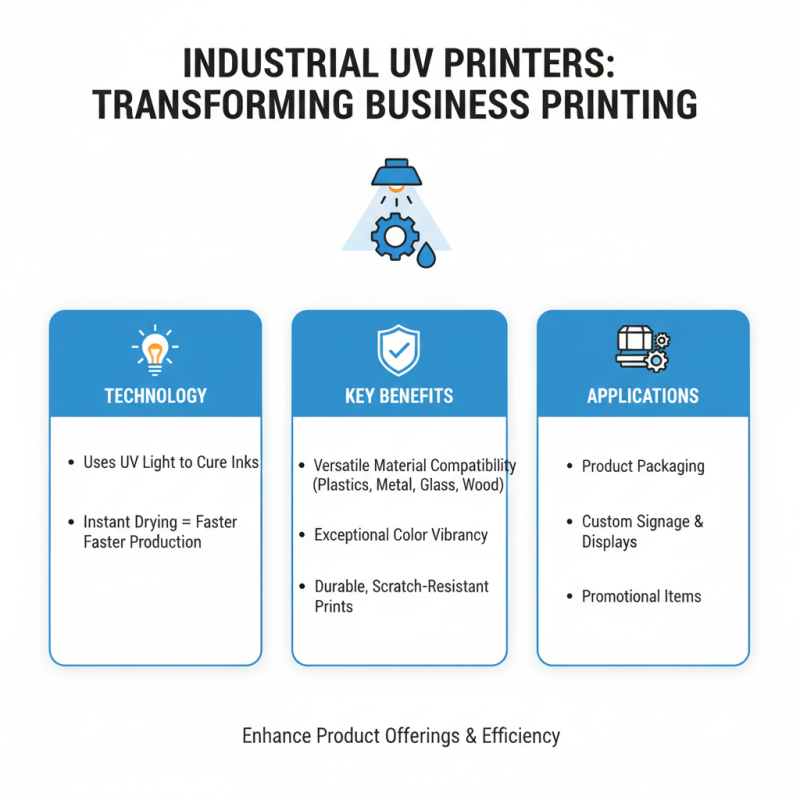
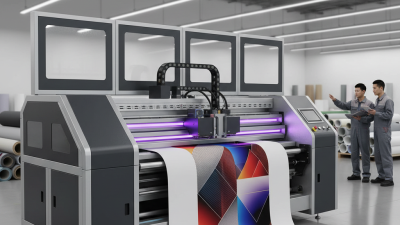
Industrial UV printers have transformed the way businesses approach printing. They utilize ultraviolet light to dry or cure inks as they are printed. This technology allows for quick drying times and vibrant colors, making it ideal for various materials. From plastics to metal, these printers provide versatility that can enhance product offerings.
When choosing an industrial UV printer, consider your business needs. Evaluate the materials you will print on and the volume of work you expect. Not all UV printers handle the same substrates equally. Image quality can also vary significantly between models, affecting your final product's appeal.
**Tips:**
Look for a printer that offers easy maintenance options. Regular upkeep can prevent costly downtime. Also, consider the size of the printer. Space limitations can impact your workflow. You should ensure that your chosen printer fits well within your operational setup, facilitating efficiency and productivity.
Key Features to Consider When Choosing an Industrial UV Printer
When selecting an industrial UV printer, consider key features that directly impact your operations. Print speed is vital. A faster printer can significantly increase productivity. Assess the need based on your workload. Another important aspect is print resolution. Higher resolutions yield better quality images. However, this may slow down production.
Material compatibility cannot be overlooked. Ensure the printer can handle various substrates. This flexibility is essential for diverse projects. Additionally, consider the size of the printer. Larger models often support bigger prints. However, they may require more space, which can be a limitation in some environments.
Don't ignore maintenance requirements. Some printers necessitate frequent upkeep, which can affect your time and budget. Lastly, the initial investment is crucial. A lower-priced model may seem appealing, but it often lacks desired features. Weighing all factors can reveal what’s best for your unique business needs.
What is the Best Industrial UV Printer for Your Business Needs? - Key Features to Consider When Choosing an Industrial UV Printer
| Feature |
Description |
Importance |
Typical Range |
| Print Speed |
Speed at which the printer can produce prints, usually measured in square meters per hour (m²/h). |
High |
10 - 100 m²/h |
| Max Print Width |
The maximum width of the material that can be printed on. |
Medium |
1.2 - 3.2 meters |
| Resolution |
The level of detail that can be produced in the print, typically measured in DPI (dots per inch). |
High |
720 - 1440 DPI |
| Ink Types |
Different types of inks used, such as UV curable, eco-solvent, or latex. |
High |
UV Curable, Eco-solvent |
| Media Compatibility |
Types of media that the printer can handle, such as rigid, flexible, or roll materials. |
Medium |
Rigid & Flexible |
| Cost |
Initial purchasing cost of the printer. |
High |
$10,000 - $200,000 |
| Software Compatibility |
Types of software supported for design and printing. |
Medium |
Various RIP software |
Comparing Major Brands of Industrial UV Printers on the Market
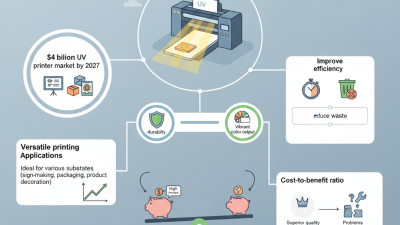
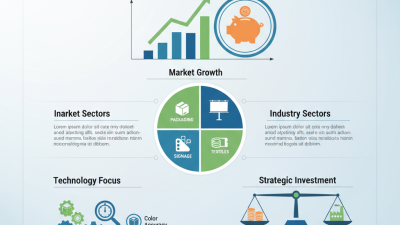
When selecting an industrial UV printer, it’s essential to compare major brands on the market. Different manufacturers offer various features, which can impact your business’s efficiency and output quality. Data from industry reports indicates that the UV printing market is expected to grow significantly, reaching approximately $3 billion by 2025. This growth shows that businesses are prioritizing high-quality printing solutions.
One crucial consideration is the types of materials that each printer can handle. Some models excel in printing on rigid substrates, while others thrive with flexible materials. Industry studies reveal that 70% of users consider versatility a top priority. However, users often find that not all printers deliver consistently on diverse materials. This inconsistency can lead to wasted resources and unmet deadlines.
Another factor is the printer’s speed and resolution. While some UV printers boast impressive speed, their print quality may not match expectations. According to recent surveys, around 45% of industrial users report dissatisfaction with print quality at higher speeds. It’s a trade-off that businesses must navigate. Choosing the wrong machine can result in costly mistakes, prompting a need for careful evaluation and testing before making a final decision.
Assessing Your Business Needs for Optimal Printer Selection
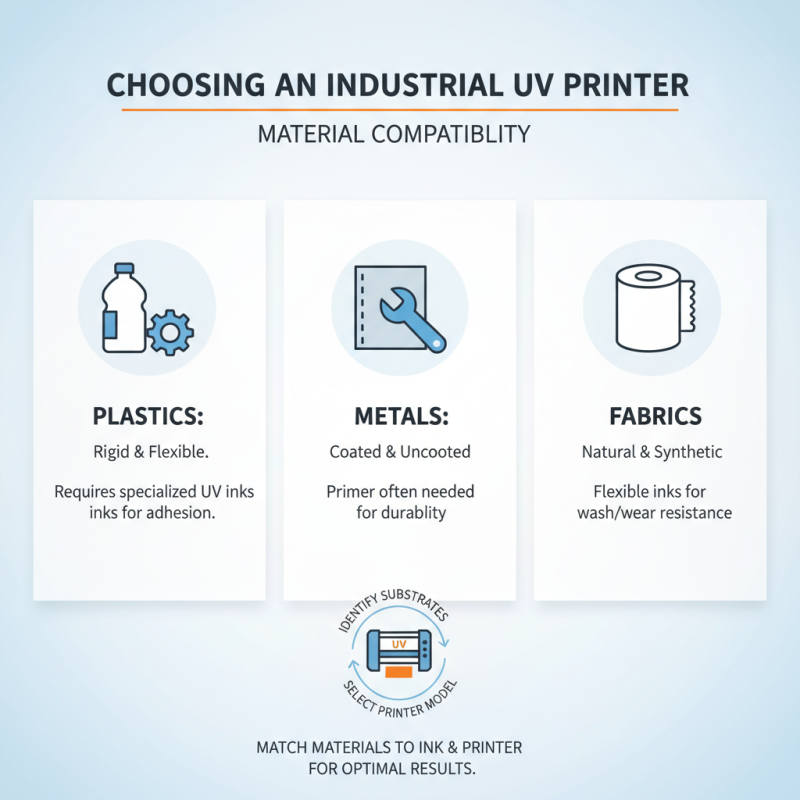
Choosing the right industrial UV printer requires a thorough understanding of your business needs. Consider the types of materials you will print on. Different substrates demand various UV inks. For example, plastic, metal, and fabric all react differently under UV light. Identifying your primary materials helps narrow down the options.
Evaluate the volume of printing required. High-demand environments may benefit from faster printers. But speed should not compromise quality. A slower printer may offer better detail for intricate designs. Think about your market and customer expectations. This can be a tricky balance.
Budget is another crucial factor. Initially, a low-cost printer might seem appealing. However, think about long-term costs for ink and maintenance. Ask yourself, will this printer meet your growth needs? Planning ahead can save you from future regrets. A poor choice could stall your production and hurt your reputation. Reflect on your workflow and anticipated changes to ensure you make the best decision.
Cost Analysis: Budgeting for an Industrial UV Printer Purchase
When considering an industrial UV printer, cost is a significant factor. Many businesses find themselves navigating a complex budgeting process. The initial purchase price varies widely, often ranging from $10,000 to $200,000. This broad spectrum can be intimidating for small to mid-sized businesses. It’s crucial to align the printer's features with specific business needs.
Operating costs should not be overlooked. Reports indicate that ink expenses can account for 30% of the total operational costs. Additionally, maintenance costs can add another 15-20%. These figures highlight the importance of a detailed cost analysis before making a purchase. Some printers may be cheaper upfront but can lead to higher long-term costs.
Another layer to consider is the pricing of materials. UV printers often require specialized substrates that can be pricier than standard options. This need can elevate your overall budget significantly. Research shows that businesses should factor in these recurring costs to avoid potential budget overruns. Hence, it’s clear that a thoughtful approach to budgeting is vital.