Top 5 Benefits of Multifunctional UV Printers for Businesses?
In today’s competitive market, businesses seek innovative tools to enhance efficiency and creativity. Multifunctional UV printers stand out as a transformative solution. According to industry expert, Jonathan Lee, “The versatility of a Multifunctional UV Printer empowers businesses to expand their creative boundaries.” This quote highlights the significant impact that these printers can have on operations.
Multifunctional UV printers offer various benefits that can boost productivity and improve product offerings. They combine multiple printing capabilities, allowing businesses to create vibrant graphics on different surfaces. These printers also save time and reduce production costs, making them essential for small and large enterprises alike.
However, adopting such technology comes with challenges. Businesses must consider maintenance and the initial investment required. Understanding how to leverage the full potential of a Multifunctional UV Printer is key. With careful planning, companies can harness these devices to drive innovation while remaining mindful of their limitations.
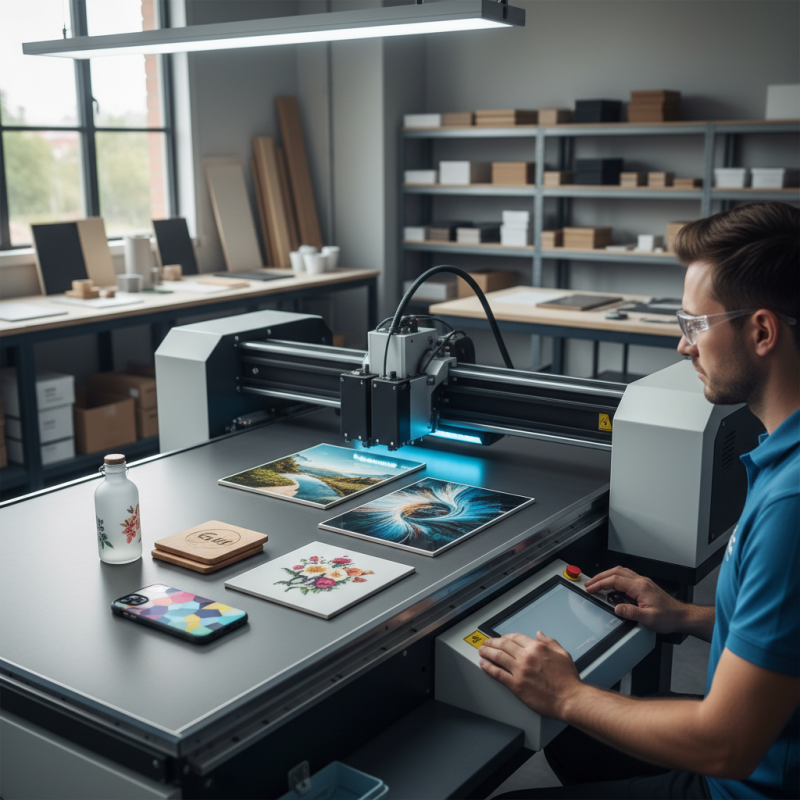
Understanding Multifunctional UV Printers for Modern Businesses
Multifunctional UV printers are reshaping modern businesses. They combine multiple printing capabilities, enhancing efficiency and productivity. Research shows that businesses that adopt such technologies can increase their operational output by up to 40%. This significant improvement is crucial in today’s fast-paced market.
One remarkable feature of these printers is their ability to print on diverse materials. This flexibility opens new avenues for creative applications, such as packaging, promotional materials, and custom products. Moreover, according to industry reports, companies utilizing multifunctional printers experience a 30% reduction in waste. This is largely due to the precision of UV printing, which minimizes excess material usage.
However, there are challenges. Initial costs can be high, and staff training is essential. Ensuring that employees understand how to maximize these printers' capabilities is crucial. Failure to properly train can lead to underwhelming results and wasted resources. Businesses must weigh these factors against potential benefits.
Top 5 Benefits of Multifunctional UV Printers for Businesses
Enhanced Versatility: Applications of Multifunctional UV Printers
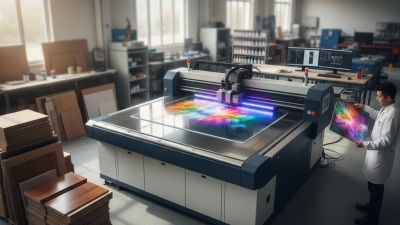
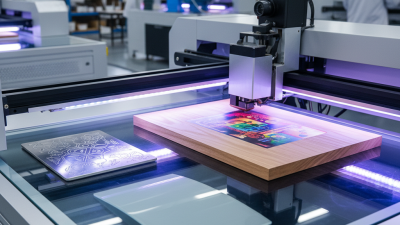
Multifunctional UV printers have transformed the landscape for various industries. They are not just about printing; they offer enhanced versatility across multiple applications. According to a recent industry report, the global UV printing market is projected to reach $10.74 billion by 2025, highlighting the growing adoption of this technology. Businesses can print on various materials, including wood, metal, and glass, broadening their creative possibilities.
One significant application is in signage and promotional materials. Many businesses leverage UV printers to create vibrant banners and displays that stand out. This technology allows for detailed prints that are weather-resistant and durable. Additionally, packaging industries benefit notably from UV printing. More brands are turning to custom packaging solutions, enhancing their market presence. Data indicates that customized packaging can boost sales by nearly 30%.
Tips: When considering multifunctional UV printers, think about your specific needs. Evaluate material compatibility and the purpose of your prints. Understanding your target market can guide your choices. Regularly assess printer capabilities to ensure they meet evolving demands. Staying informed about technological advancements can also enhance business processes. Investing in staff training can maximize the benefits, too.
Cost Efficiency: Reducing Operational Expenses with UV Printing
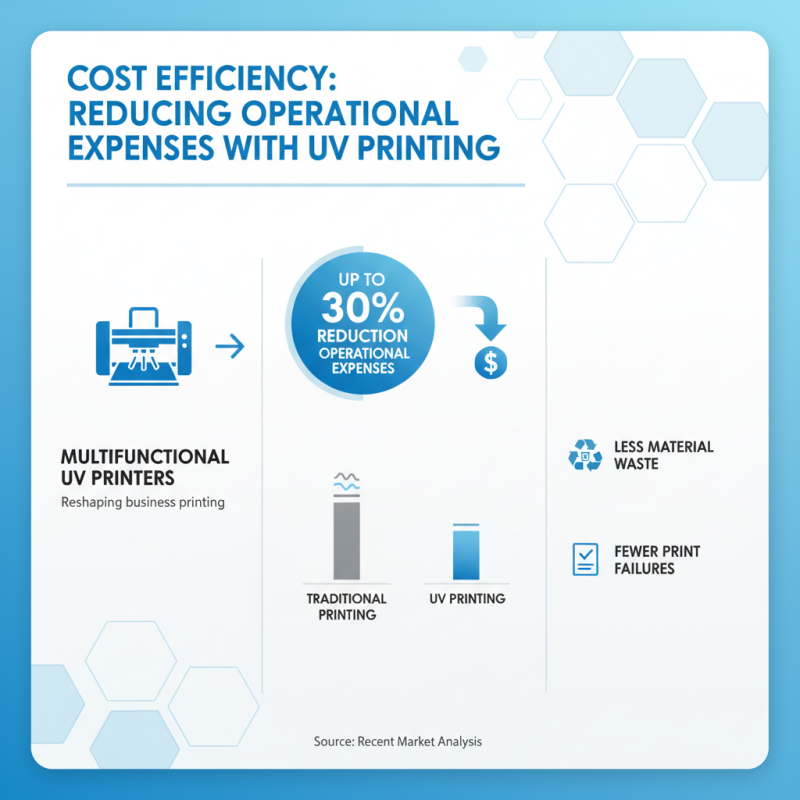
Multifunctional UV printers are reshaping the printing landscape for businesses. One of the standout advantages is their cost efficiency. According to a recent market analysis, companies that adopt UV printing technologies can reduce operational expenses by up to 30%. This significant reduction arises from fewer print failures and less waste of materials compared to traditional methods.
Investing in UV printers also diminishes the need for multiple machines. A single multifunctional unit can handle diverse tasks, cutting down on maintenance costs and saving valuable floor space. Businesses can use fewer resources and achieve greater versatility in their work. For instance, UV printers operate on various substrates, which means less inventory is needed.
**Tips:** Regularly evaluating usage patterns helps identify unnecessary expenses. Opt for machines that allow for quick and easy color changes. Monitor production speeds to ensure you are maximizing efficiency.
However, it’s crucial to consider initial investments. While UV printers save money in the longer term, startup costs may be high. It’s essential for companies to weigh the long-term savings against the upfront acquisition costs to truly understand ROI. A simpler approach may manifest as a gradual adoption, maximizing the benefits over time.
Quality Improvement: Superior Print Results with UV Technology
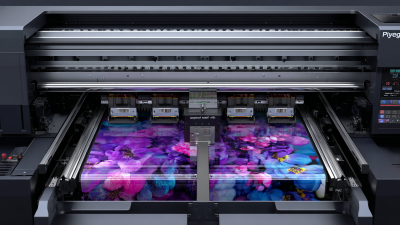
UV technology has revolutionized the printing industry, offering businesses unmatched quality improvements. Unlike traditional methods, UV printers use ultraviolet light to cure ink instantly. This process results in sharp details and vibrant colors. Prints dry quickly, reducing smudging and enhancing durability. Businesses can present their products with a level of quality that captivates customers.
The precision of UV printing allows for intricate designs and patterns. Whether printing on plastic, metal, or glass, the technology ensures adherence and longevity. Some users have expressed concerns regarding the initial investment. However, the savings in material waste and enhanced product quality often outweigh these costs over time. Businesses can achieve cleaner lines and better color reproduction, leading to a noticeable boost in customer satisfaction.
There’s a learning curve associated with operating multifunctional UV printers. Staff training is essential for optimal results. As companies adapt, ongoing evaluation of process efficiency becomes vital. Mistakes may happen, but they provide an opportunity for growth. Embracing UV technology involves not just investing in equipment, but also committing to consistent quality improvement. This journey can redefine a business's printing capabilities.
Streamlined Workflow: Increasing Productivity through Multifunctional Features
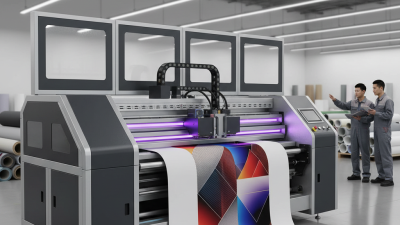
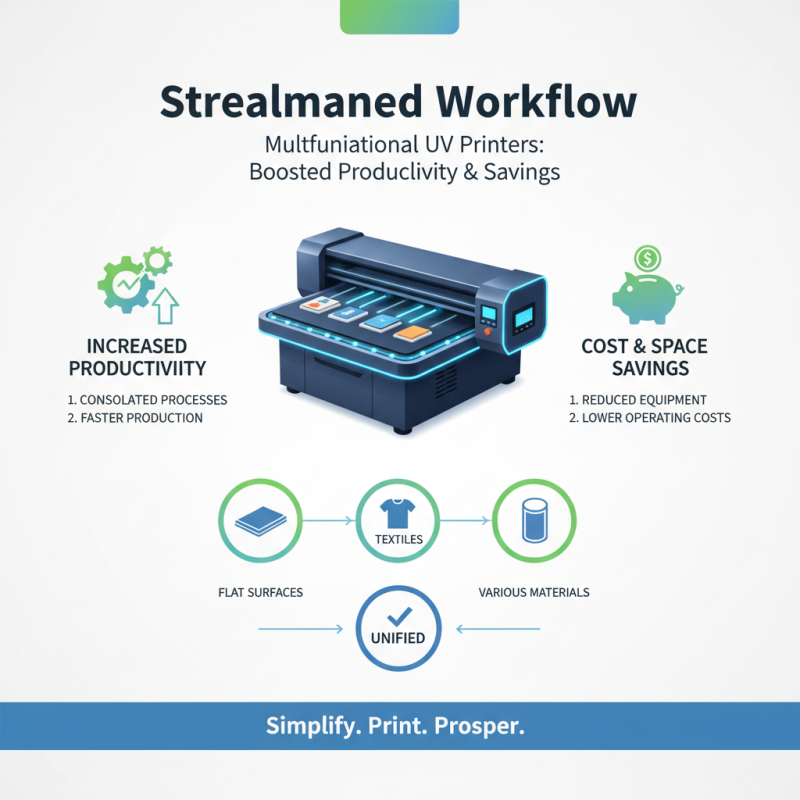
Multifunctional UV printers are reshaping business workflows. These machines combine various printing capabilities, from flat surfaces to textiles. By streamlining multiple processes into one device, businesses save time and resources. This integration reduces the need for multiple machines, which can clutter workspaces and complicate operations.
Consider a graphic design firm. Instead of juggling different printers for various materials, a multifunctional UV printer allows quick transitions. Changing between projects becomes seamless, boosting overall productivity. Employees spend less time waiting and more time creating. This shift can also lead to improved output quality, as fewer machines mean consistent results across prints.
However, there are challenges. Training staff on new technology can take time. Not all staff may adapt quickly to multifunctional features. Some might miss the familiarity of their old methods. Businesses should reflect on these aspects. Finding the right balance between innovation and training is crucial for success.