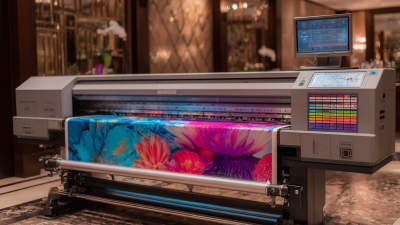
What is a Uv Flatbed Printer and Why You Need One?
In the evolving landscape of printing technology, the Uv Flatbed Printer stands out as a game changer. Renowned industry expert Mike Thompson, CEO of PrintTech Solutions, emphasizes its versatility: “A Uv Flatbed Printer can cover surfaces that conventional printers can't.” This machine opens doors to creativity and efficiency in printing. It allows for direct printing on various materials like wood, glass, and metal.
The Uv Flatbed Printer uses ultraviolet light to cure ink as it prints. This technology ensures vibrant colors and sharp images. Users can achieve details that were previously difficult to reproduce. Businesses are increasingly turning to these printers for signage, promotional materials, and custom products.
However, it's essential to understand that investing in a Uv Flatbed Printer is not without challenges. The initial cost and technical setup can be daunting. Businesses must also consider ongoing maintenance and operator training. Careful planning and learning from others' experiences are vital for success. Embracing this technology can lead to remarkable outcomes, but it requires commitment and insight.
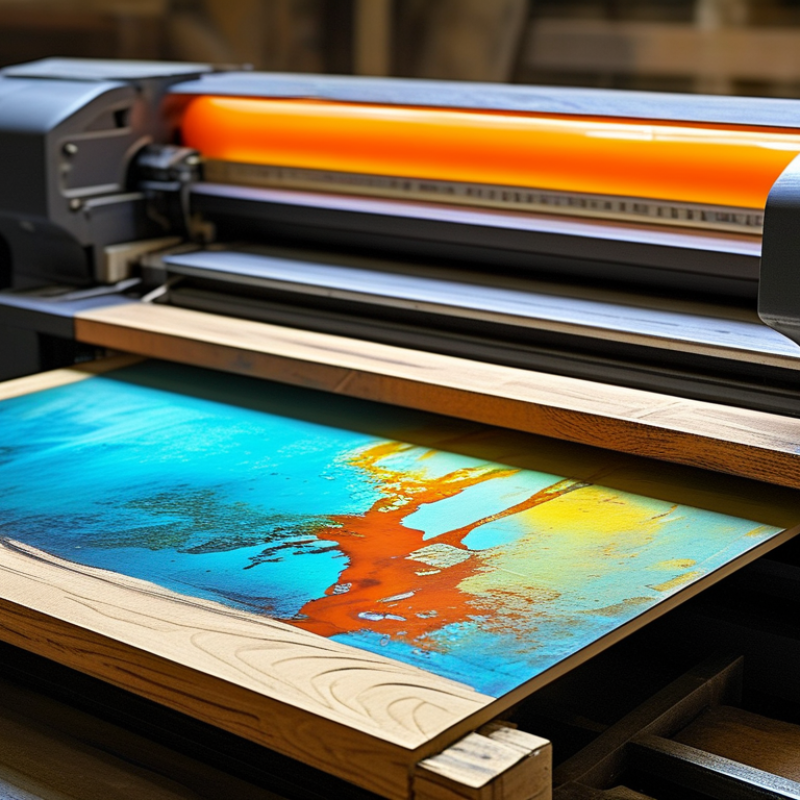
What is a UV Flatbed Printer?
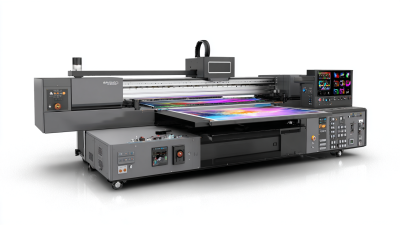
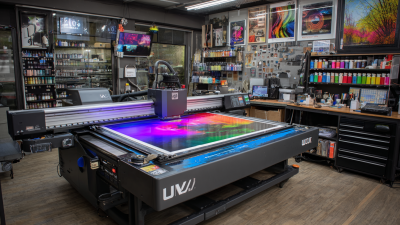
A UV flatbed printer is a versatile printing device that uses ultraviolet light to cure inks as they are printed. This technology allows for high-quality prints directly onto various materials, such as wood, glass, and metal. The ability to print on rigid substrates sets UV flatbed printers apart from traditional printers, making them a popular choice in many industries, including signage, packaging, and décor.
According to Grand View Research, the global UV printing market is expected to reach USD 6.8 billion by 2027, driven by increased demand for versatile printing solutions.
One major advantage of UV flatbed printers is their quick drying time. The UV curing process instantly hardens the ink, minimizing smudging and allowing for rapid production. This efficiency can significantly boost productivity, especially for time-sensitive projects. As your business grows, investing in a UV flatbed printer can provide a competitive edge, facilitating creativity and innovation in print designs.
Tip: When considering a UV flatbed printer, evaluate your material compatibility and the size of the printing area. Ensure the printer can handle the specific substrates you plan to use. Keep in mind that maintenance can be intensive, and regular cleaning of the print heads is required to maintain print quality. Investing time in understanding the technology can yield significant benefits for your business.
How UV Flatbed Printers Work: The Technology Explained
UV flatbed printers have revolutionized the printing industry through advanced technology. These printers utilize ultraviolet light to cure inks as they are printed. The UV light instantly dries the ink, allowing for high-quality prints on various surfaces.
This technology enables printing on materials like wood, glass, and metals. Reports indicate that the global UV printing market is projected to reach $7 billion by 2024. This growth reflects the increasing demand for versatile printing solutions across industries. The precision of UV flatbed printing allows for complex designs and vibrant colors, making it ideal for custom projects.
Here are a few tips: Consider the materials you want to print on. Not all printers handle every surface. Always test your chosen media before a large production run. Additionally, stay updated with ink advancements to ensure sustainability. UV inks are evolving to reduce environmental impacts. Understanding your printer’s capabilities can help you maximize efficiency and minimize waste.
Innovative features often come at a higher price. It's important to assess your needs versus investment. Are enhanced capabilities genuinely necessary for your business? Investing in training may also improve your team's efficiency. Recognizing potential areas for skill development can boost your output quality significantly.
Key Advantages of Using a UV Flatbed Printer
UV flatbed printers are transforming the printing landscape. They use ultraviolet light to cure inks instantly. This results in prints that are durable and vibrant. Reports indicate that the global UV printer market is expected to grow by over 20% annually. This growth underscores the increasing demand for high-quality, versatile printing options.
One key advantage of using a UV flatbed printer is the ability to print on a variety of materials. Wood, glass, metal, and acrylic can all be printed on without primer. This opens up endless possibilities for creatives and manufacturers alike. Additionally, the finished products are scratch-resistant and waterproof, making them ideal for outdoor applications. However, the initial investment can be higher compared to traditional printers.
Tip: Consider the materials you plan to print on. Not all UV printers handle all substrates equally.
Another benefit is the eco-friendliness of UV printing. The process emits fewer volatile organic compounds (VOCs) than traditional methods. This aligns well with the increasing demand for sustainable printing solutions. However, some users report a learning curve in mastering the technology. The ink can also be more expensive, affecting budget-conscious projects.
Tip: Invest time in training your team on UV printing technology to maximize your investment.
Applications and Industries that Benefit from UV Flatbed Printing
UV flatbed printing is revolutionizing various industries. This printing technology allows for direct printing on different surfaces, including wood, glass, metal, and plastic. It is widely used in signage, furniture design, and promotional materials. The versatility and efficiency of UV flatbed printers attract businesses looking for high-quality outputs.
Many industries benefit from this technology. For instance, the interior design sector uses UV printing to create custom wall art and decor items. In manufacturing, UV flatbed printers print intricate designs on promotional products, enhancing branding efforts. The packaging industry has also embraced this technology for short runs of custom packaging, allowing for quick turnaround times.
Tips: When choosing a UV flatbed printer, consider your specific needs. Evaluate the materials you intend to print on and the types of projects you want to undertake. It's essential to understand the capabilities and limitations of the printer. Sometimes, experimenting with different inks and settings can yield surprising results. Don't hesitate to seek advice from professionals in the field; learning from their experiences can save you time and resources.
Considerations for Choosing the Right UV Flatbed Printer
When choosing a UV flatbed printer, several factors should be considered. The most important aspect is the printer's capability to handle various materials. Some printers work well with wood, while others may excel with metals or acrylics. Understanding your specific business needs is essential here. Think about which substrates you frequently use. Not every printer will fit the bill.
Print resolution is another key consideration. A higher resolution can result in sharper images, but it may come at a higher cost. It’s worth reflecting on whether this investment aligns with your goals. Additionally, evaluate the printer's speed and efficiency. A fast printer might boost productivity, but a slower one could produce finer details. Weigh these trade-offs carefully.
Lastly, consider the maintenance and operation of the printer. Some machines require more upkeep than others. Familiarize yourself with the ongoing costs and workflows. It’s a crucial aspect that can impact your overall satisfaction. Choose wisely, as the right UV flatbed printer can significantly influence the quality and efficiency of your output.