Top 10 Multifunctional UV Printers to Boost Your Business?
In today's competitive market, businesses are constantly seeking innovative solutions to enhance their productivity. Multifunctional UV printers stand out in this regard. Renowned industry expert, Dr. Emily Carter, emphasizes, “The right UV printer can transform your business dynamics.” This highlights the importance of choosing the right device.
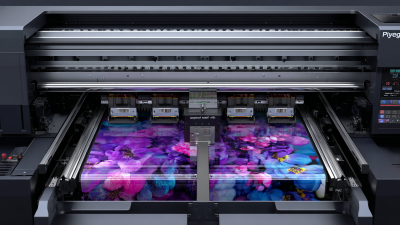
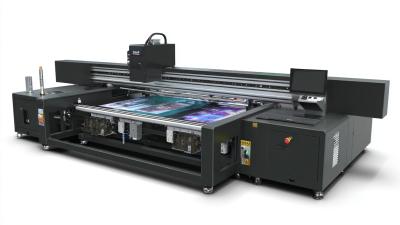
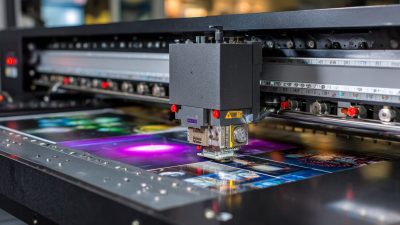
Multifunctional UV printers are versatile tools that can cater to various printing needs. They can print on diverse materials, bringing creativity and flexibility. For example, a single device can handle projects ranging from signage to packaging. However, not every model meets high expectations. Companies should consider key features such as print quality, speed, and ease of use.
While these printers offer significant potential, finding the right fit can be challenging. Some may enter the UV printing world with high hopes. They might discover that not all printers deliver consistent results. Researching and testing models is crucial for ensuring long-term satisfaction. Ultimately, the success of a multifaceted print solution depends on informed decisions and thoughtful investments.
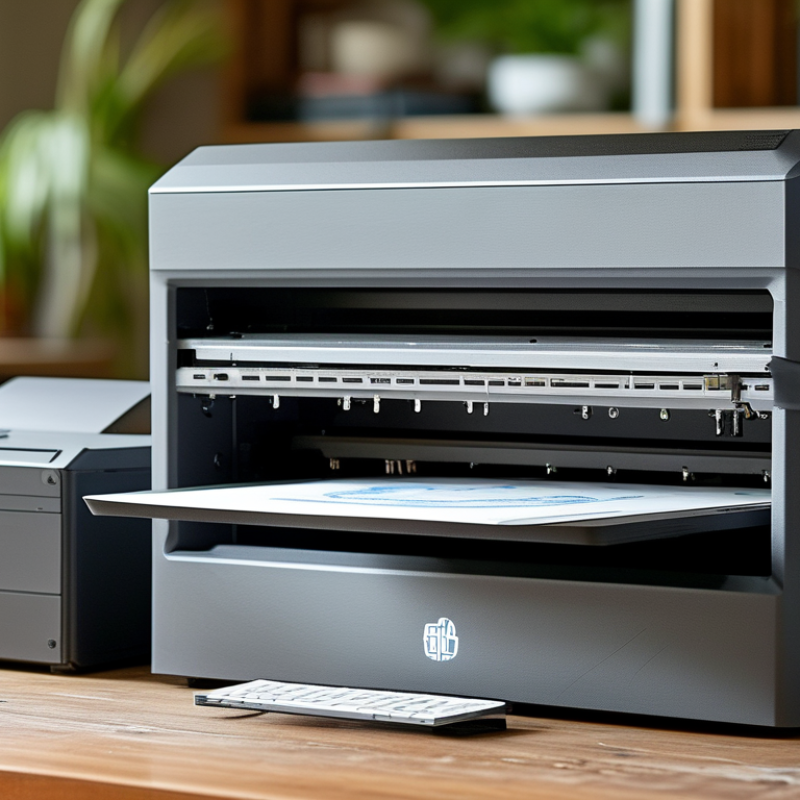
Overview of Multifunctional UV Printers and Their Business Benefits
Multifunctional UV printers have transformed the print industry, offering unmatched versatility. They enable printing on various surfaces, including wood, metal, glass, and fabric. According to a recent report by Smithers Pira, the global UV printing market is projected to grow at a CAGR of 11% from 2021 to 2026 due to the rising demand for environmentally-friendly printing solutions. This growth highlights the increasing importance of UV technology in modern business strategies.
Businesses that adopt these printers can reduce production times significantly. Many companies report a 30% increase in operational efficiency after integrating UV printing devices. The ability to print in high resolution on diverse materials opens new revenue channels. Yet, transitioning to UV printing can come with challenges. Initial costs may be high, and staff training is essential. Many businesses find that the learning curve can slow down operations initially. However, with proper investment and training, the long-term benefits often outweigh these hurdles.
Incorporating multifunctional UV printers can lead to innovative product offerings that attract new clients. As customization becomes a priority for consumers, the ability to produce unique, high-quality prints can set businesses apart. Despite the initial challenges, the potential to foster customer loyalty through unique offerings is compelling. Careful planning and execution can help businesses navigate the transition effectively while maximizing their return on investment in UV technology.
Key Features to Consider When Choosing a Multifunctional UV Printer
When selecting a multifunctional UV printer, key features warrant careful consideration. Print quality is paramount. Reports suggest that 70% of customers prioritize this aspect for their projects. A printer that delivers crisp images and vibrant colors can set a business apart. Factors like resolution and color accuracy contribute significantly to the overall quality.
The printing speed is another essential feature. Industry data indicates that faster printers can increase productivity by up to 30%. However, balancing speed with quality is crucial. Rapid production times may sometimes compromise detail, leading to a need for reflection on what matters more. Versatility in printing materials is also vital; the best printers can handle various surfaces, from metal to wood and even textiles.
User-friendliness should not be overlooked. As per a recent survey, 40% of users reported difficulties in operating complex printing machines. This highlights the importance of intuitive interfaces and reliable customer support. As businesses grow, a multifunctional printer must evolve with them. Regular assessments of its performance and adaptability can ensure that it continues to meet demands effectively.
Top 10 Multifunctional UV Printers to Boost Your Business
| Model |
Printing Area |
Max Resolution |
Print Speed |
Key Features |
| Model A |
60 x 120 cm |
1200 x 1200 dpi |
40 sqm/h |
Versatile media compatibility, Advanced UV-cured inks |
| Model B |
100 x 200 cm |
1440 x 1440 dpi |
30 sqm/h |
High precision printing, Eco-friendly inks |
| Model C |
80 x 160 cm |
1080 x 1080 dpi |
50 sqm/h |
Multiple substrate support, User-friendly interface |
| Model D |
70 x 140 cm |
1200 x 1800 dpi |
35 sqm/h |
Durable printing, Multi-language support |
| Model E |
90 x 100 cm |
600 x 1200 dpi |
60 sqm/h |
Fast curing time, Automated print head alignment |
| Model F |
120 x 120 cm |
1200 x 2400 dpi |
25 sqm/h |
High-quality output, Extended warranty |
| Model G |
110 x 150 cm |
1200 x 1200 dpi |
45 sqm/h |
Wide color gamut, Affordable operating costs |
| Model H |
85 x 155 cm |
720 x 720 dpi |
33 sqm/h |
Compact design, Easy maintenance |
| Model I |
95 x 130 cm |
1200 x 900 dpi |
55 sqm/h |
Low maintenance costs, Excellent durability |
| Model J |
100 x 180 cm |
1440 x 1440 dpi |
28 sqm/h |
User-friendly software, High-capacity ink tanks |
Top 10 UV Printers: Detailed Review of Each Model
When choosing a UV printer, consider various models to meet your business needs. The market offers a range of options, each with unique features and specifications. Understanding these can elevate your printing capabilities significantly. Some devices excel in print quality, while others focus on speed. It's essential to analyze what aspect is most critical for your operations.
A crucial aspect to consider is versatility. Many printers can handle diverse materials, expanding your service offerings. For example, some can print on wood, metal, and even acrylic. This flexibility can be a game changer. However, be cautious of models that promise too much without delivering consistent results. Rely on customer reviews and expert insights to gauge reliability.
Performance often varies among different models. Some may promise high-speed printing but compromise on quality. In contrast, others might excel in intricate designs yet operate slower. Balancing quality and efficiency is key. Keep in mind that affordability does not always equate to reliability. Investing in a well-reviewed model may save costs in the long run. Your choice should reflect both immediate needs and future growth aspirations.
Comparative Analysis: Pricing and Performance of UV Printers
When considering the best multifunctional UV printers, pricing and performance are essential factors. Businesses must evaluate how well these printers can meet their needs within their budget. A wide range of models exists, each offering varying features. Understanding this landscape can be daunting.
Many printers come with advanced functionalities, but some may not justify their high price tags.
Performance is another critical variable. Print speed, image quality, and materials compatibility often fluctuate among different models. Some printers excel in detailed graphics, while others struggle. It's vital to assess your primary use cases. Will you print on rigid substrates or primarily on flexible materials?
This choice influences not only the printer selection but also the overall investment cost.
Businesses should be aware that not all printers deliver as promised. Real-world testing often reveals inconsistencies. Customers report that some high-end printers may have steep learning curves. Ongoing maintenance can also lead to unexpected costs. This unpredictability calls for careful research and consideration before making a purchase. Making informed decisions can significantly impact a business's success with UV printing technology.
Future Trends in UV Printing Technology and Business Applications
The UV printing industry is witnessing transformative changes. As technology evolves, businesses must adapt to remain competitive. There is a growing emphasis on customization and personalization in printed products. Companies that leverage these advancements can enhance their service offerings significantly.
New UV printers are designed for versatility. They can print on various materials, from metal to wood. This flexibility opens doors to unique applications. Yet, investment in such technology requires careful consideration. High initial costs can deter smaller businesses.
Environmental concerns are also shaping trends. Eco-friendly UV inks are becoming popular. Brands seek sustainable methods for production. However, achieving a balance between cost and sustainability presents challenges. Embracing new technologies may not come easily. Mistakes in implementation are common. Reflecting on these experiences can lead to better decision-making.