Top 10 Dtf Printer and Uv Printer Options for Buyers?
In the evolving world of printing technology, the demand for efficient solutions has never been higher. Dtf Printer and Uv Printer options are becoming increasingly popular among businesses seeking quality and versatility. Industry expert, Mark Thompson, states, “The right printer can transform your production capabilities.” His insight underlines the significance of choosing the right equipment.
The landscape of printing offers a diverse array of options. Dtf Printers are celebrated for their ability to produce vibrant, high-quality images on various materials. On the other hand, Uv Printers provide durability, allowing prints to withstand the test of time. Each technology offers unique advantages, yet both need careful evaluation to match business needs.
As buyers navigate this complex market, awareness of features is crucial. Not all printers provide the same level of performance. Potential buyers must consider not only print quality but also cost-effectiveness. Rushing into a purchase can lead to regrets later. In this guide, we will explore the top 10 Dtf Printer and Uv Printer options, helping buyers make informed decisions.
Top 10 DTF Printers: Features and Specifications
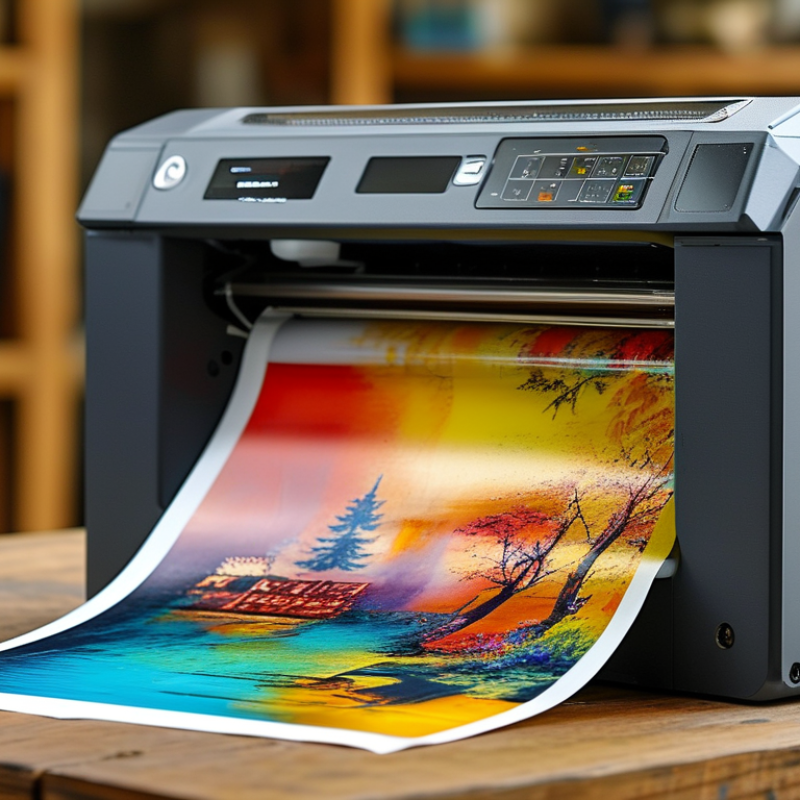
When exploring the top DTF printers available, understanding their features and specifications is crucial. DTF (Direct to Film) printers use advanced technology to deliver vibrant prints on various materials. They are particularly popular for their versatility in producing high-quality designs on textiles. This printing method is not only efficient but also cost-effective for businesses focused on custom apparel.
DTF printers often have several standout features. One is their print resolution, which can reach impressive levels, allowing for intricate detailing. The speed of printing also varies, with some models designed for high-volume production. Users should consider ease of use and maintenance, as well; some printers require more cleaning and calibration than others. Additionally, the film transfer process in DTF printing ensures durability and flexibility, making it ideal for different fabrics.
While many DTF printers boast exceptional capabilities, some limitations exist. For example, the quality of prints may differ based on the type of film and inks used. Users may need to experiment with settings to achieve optimal results. This trial and error approach can be frustrating, yet it is an essential part of mastering the technology. Understanding these nuances can make a significant difference in overall satisfaction with the printer’s performance.
Top 10 DTF and UV Printers: Performance Comparison
Top 10 UV Printers: Performance and Versatility
When selecting UV printers, performance and versatility take center stage. Notably, a recent industry report indicated a 12% growth in UV printing demand over the past year. This surge highlights the importance of adaptability in various applications, from packaging to signage. Many models offer a range of media compatibility, which allows businesses to tackle diverse projects with ease. The flexibility in materials can lead to significant cost savings for users.
Additionally, speed and resolution play crucial roles in overall printer performance. A top-performing UV printer typically achieves resolutions of 1200 dpi, ensuring crisp and vibrant prints. The industry standard for production speed is around 30 square meters per hour. However, some users have expressed concerns about the balance between speed and quality. Compromising one for the other can affect customer satisfaction. Reviews often mention the importance of finding a printer that maintains high quality while optimizing production rates.
Technical support and service reliability also impact user experience. Many businesses report that post-purchase support can vary significantly across manufacturers. A printer may excel in features but suffer from inadequate service, leading to frustrations when issues arise. Users are reminded to consider long-term support before making a decision. Investing time in research can lead to a more informed choice that meets both immediate and future printing needs.
Comparison of DTF and UV Printing Technologies
When comparing DTF (Direct-to-Film) and UV (Ultraviolet) printing technologies, it's essential to consider the unique features of each method. DTF printing transfers vibrant designs onto fabrics using a specialized film. This technique produces rich colors and allows for intricate details. It works well with various materials, creating a smooth finish that is durable. However, it may require post-print handling, like heat pressing, which can add to production time.
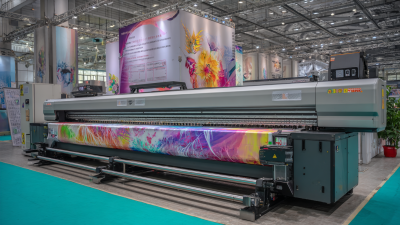
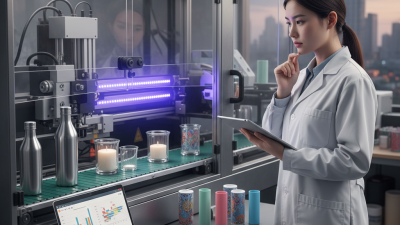
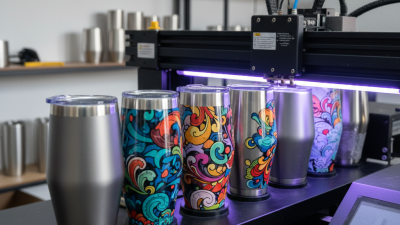
On the other hand, UV printing offers the ability to print directly onto a wide range of surfaces. It utilizes UV light to cure the ink instantly, providing quick turnaround times. This method excels in producing high-quality prints on hard materials like wood, metal, and glass. The durability of UV prints is commendable, as they resist fading and scratching. One downside is the initial cost of UV printers, which can be prohibitive for some small businesses.
Both technologies have their strengths and weaknesses. DTF printing might not be ideal for outdoor applications due to less UV resistance. Conversely, UV printing can be less effective on soft textiles, limiting its versatility. Considering these factors, buyers should assess their specific needs and production goals to make informed decisions.
Key Considerations for Choosing the Right Printer
Choosing the right printer requires careful consideration. Buyers need to evaluate their specific needs. For instance, consider the type of materials you plan to print on. DTF printers are excellent for fabric, while UV printers work well for various surfaces. Each option comes with unique capabilities.
Budget is another significant factor. High-quality printers can be pricey, but lower-end options may lack features or durability. Users often find themselves grappling with trade-offs. For example, a more affordable printer might not excel in color accuracy. On the other hand, investing more upfront could ensure better results long-term.
Maintenance needs are also crucial. All printers require upkeep, but the extent varies. Some machines demand frequent cleaning, which can be time-consuming. User reviews often highlight frustrations with this aspect. Understanding these elements helps buyers make informed choices and set realistic expectations.
User Reviews and Recommendations for Each Printer Model
When considering DTF and UV printers, user reviews are invaluable. Buyers often highlight factors like print quality, ease of use, and durability. A model praised for vibrant colors may also receive critiques for complicated maintenance. It’s essential to weigh these insights carefully.
One common tip is to look for printers that are easy to troubleshoot. A user’s experience with a model can save you time and frustration. Regular maintenance tasks should be manageable for you. Some printers might require frequent cleaning, while others need minimal upkeep. Always check community forums for shared experiences.
Another consideration is the support from the manufacturer. A strong support system can make a huge difference when issues arise. Users often mention delays in customer service responses. This can be frustrating, especially if you depend on your printer for business. Researching reviews that focus on customer service can help you avoid potential pitfalls.
Top 10 DTF Printer and UV Printer Options for Buyers
| Printer Model |
Type |
Print Speed (m²/h) |
Max Resolution (dpi) |
User Rating (out of 5) |
Price Range (USD) |
| Model A |
DTF |
8 |
1440 |
4.5 |
$1000 - $1200 |
| Model B |
UV |
5 |
1200 |
4.0 |
$2000 - $2500 |
| Model C |
DTF |
7 |
600 |
4.4 |
$900 - $1100 |
| Model D |
UV |
4.5 |
2400 |
4.8 |
$3000 - $3500 |
| Model E |
DTF |
6 |
1200 |
4.6 |
$950 - $1150 |
| Model F |
UV |
3 |
3000 |
4.3 |
$2250 - $2800 |
| Model G |
DTF |
9 |
1440 |
4.7 |
$1100 - $1300 |
| Model H |
UV |
6.5 |
1800 |
4.2 |
$1500 - $2000 |
| Model I |
DTF |
8.5 |
1200 |
4.9 |
$1200 - $1400 |
| Model J |
UV |
4 |
2400 |
4.0 |
$2700 - $3200 |