Ultimate Tips for Choosing the Best Drinkware UV Printer?
Choosing the right Drinkware UV Printer can significantly impact your printing business. With so many options available, the task could feel overwhelming. It’s essential to consider various factors to ensure you make an informed decision.
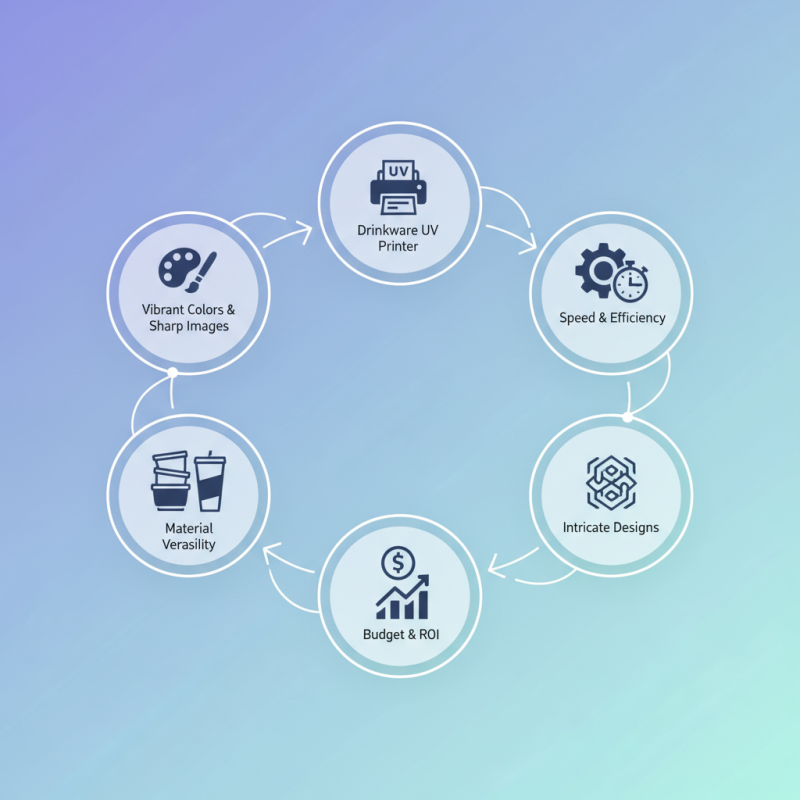
A high-quality Drinkware UV Printer provides vibrant colors and sharp images. However, not all printers are created equal. Some may struggle with intricate designs or may not handle different materials well. You might find that the printer’s speed does not meet your needs. Can you afford delays in production?
Budget is another critical aspect. Investing in a top-tier model can be expensive. But if it reduces reprints or improves quality, it could be worth it. Think about the long-term benefits. Is it just about the price now, or does quality matter more? Take time to reflect on your priorities in this financial commitment. The right choice can elevate your brand and customer satisfaction.
Understanding UV Printing Technology for Drinkware
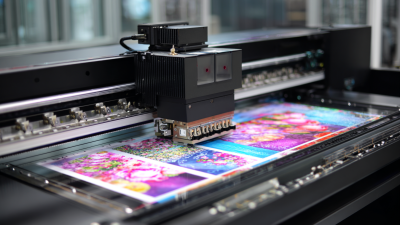
UV printing technology represents a significant advancement in the customization of drinkware. It employs ultraviolet light to cure or dry the ink as it is printed. This method results in sharp, vibrant colors and high durability. According to a recent industry report, the UV printing market is expected to reach $5.4 billion by 2025, driven by its growing adoption in various sectors, including drinkware manufacturing.
One key advantage of UV printing is its versatility. It allows for printing on different materials such as glass, metal, and ceramics. However, material preparation is crucial and can be overlooked. Proper surface treatment is vital for achieving optimal adhesion of the ink. Neglecting this step may lead to fading or peeling over time. Another consideration is the curing speed, which can vary based on the printer model. A slow curing process may affect production efficiency, causing delays.
While UV printing creates stunning graphics, it’s essential to choose the right printer. The technology can be inconsistent across different models. High-quality printers deliver better results, but they often come with a steeper learning curve. Moreover, assessing the long-term maintenance needs is essential. Regular upkeep can lead to better performance and longevity, but it requires time and resources that may surprise some users. Understanding these factors is crucial for anyone looking to invest in a UV printer for drinkware.
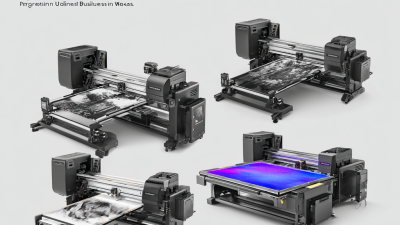
Comparison of Popular Drinkware UV Printer Features
Key Features to Look for in Drinkware UV Printers
When choosing a drinkware UV printer, it's crucial to look for key features that enhance performance. Start by considering print quality. A higher resolution ensures crisp and vibrant designs. Check the color range; a printer with more colors can produce stunning results. Additionally, look for models that support various drinkware materials. Compatibility with different substrates widens your creative possibilities.
Another essential feature is the printer's speed. A fast printing process boosts productivity, especially for large orders. Consider the ease of use. User-friendly interfaces and software can save time and reduce frustration. Also, assess the maintenance requirements. Regular upkeep is necessary, but some printers require more effort than others.
Investing in a UV printer is significant. Don't overlook the cost of replacement parts. Some machines might seem cheap but have high maintenance costs. It's worthwhile to research and compare options. Knowing what you need will help avoid unnecessary purchases. Keep these tips in mind when making your decision.
Comparing Different Brands of Drinkware UV Printers
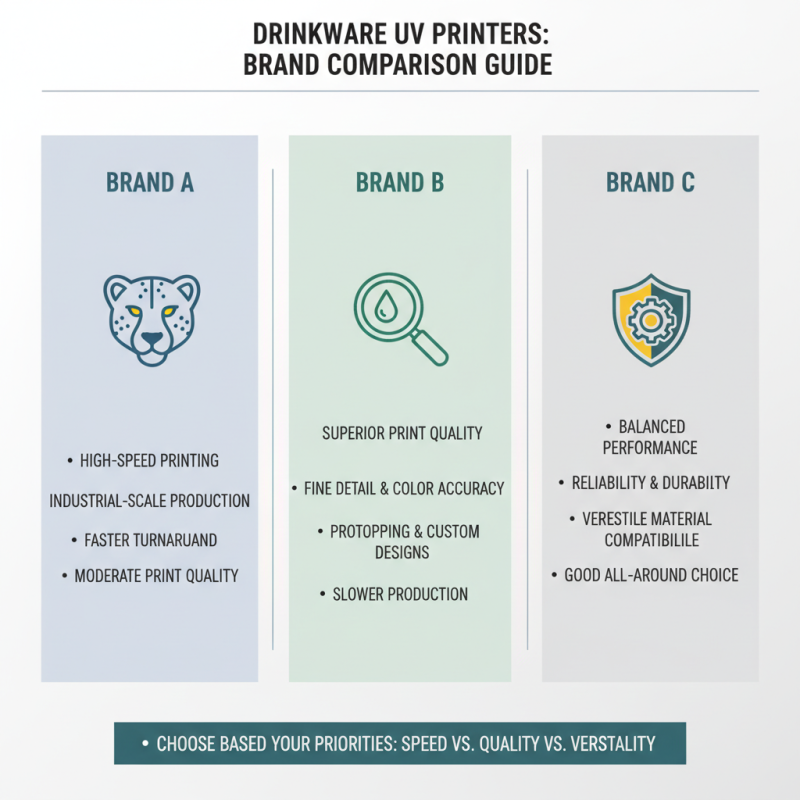
When selecting a drinkware UV printer, comparing different brands is essential. Each brand offers unique features and capabilities. Some focus on high-speed printing, while others prioritize print quality. This distinction can affect your final product.
One key aspect to consider is the printer’s compatibility with various materials. Some printers excel with glass, while others work best with metal or ceramic. Think about the types of drinkware you'll create. A printer that is versatile may save you time and money in the long run. However, versatility can sometimes mean it lacks depth in specialization.
Additionally, you should reflect on customer support and warranty options. A printer might have excellent specifications but poor after-sales service can lead to frustration. Look for reviews discussing these aspects. Real user experiences can highlight hidden issues. Don’t overlook the importance of usability as well. You may find models that are user-friendly, but lack advanced features. Balancing ease of use and functionality is critical.
Evaluating Cost vs. Performance in UV Drinkware Printers
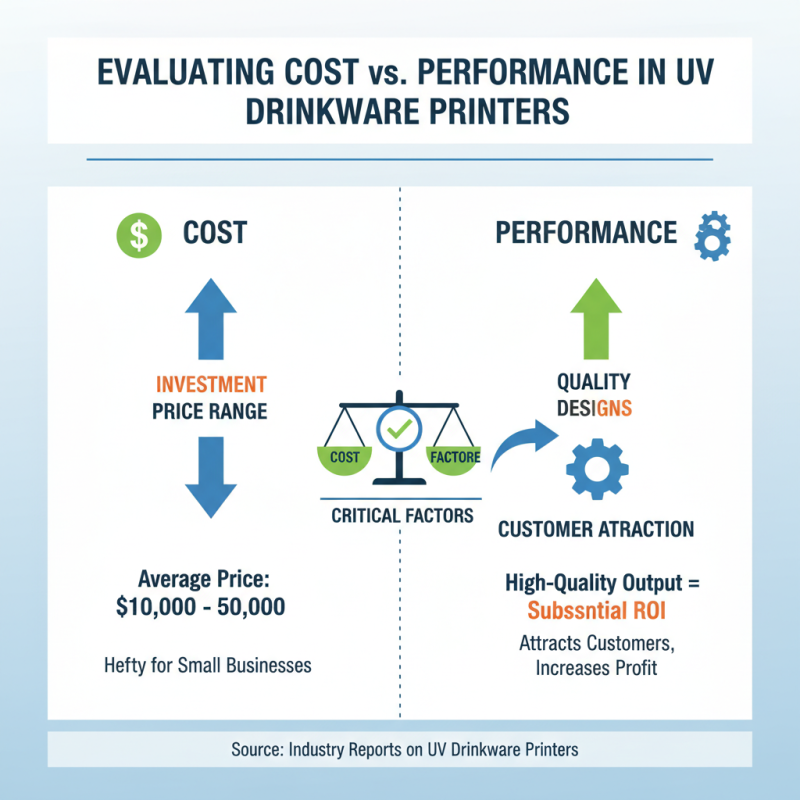
When selecting a UV drinkware printer, cost and performance are critical factors. Reports indicate that the average price of a quality UV printer ranges from $10,000 to $50,000. This can be a hefty investment for small businesses. However, the return on investment can be substantial when the printer produces high-quality designs that attract customers.
Performance metrics play a significant role in this equation. A printer that offers high resolution and quick production speeds will enhance your business's efficiency. For instance, printers with a resolution of 1200 dpi can deliver sharp, vibrant images. This quality can often justify a higher price tag. Yet, some entry-level models may not deliver the same quality. Users often report issues with print consistency and durability.
Balancing cost and performance can be challenging. While cheaper options are available, they may require frequent maintenance. This can lead to additional costs over time. Investing in a reliable model is crucial. It may initially seem costly but could save money on repairs and reprints. Choosing the right UV drinkware printer involves careful consideration of these factors.
Maintenance Tips for Prolonging the Lifespan of Your Printer
When operating a UV printer, regular maintenance is crucial. Neglecting routine upkeep can shorten its operational lifespan. According to a report from Smithers Pira, proper maintenance can extend printer life by up to 30%. This means investing time each month can yield longer-lasting performance.
Consider cleaning print heads and maintaining ink levels regularly. A dirty print head can lead to poor image quality. The same report indicates that cleaning the print head can improve print resolution significantly. Utilize recommended cleaning solutions for best results.
Temperature and humidity control are essential as well. Environmental conditions can affect print quality and ink adhesion. The ideal temperature is around 68-77°F, with humidity levels between 40%-60%. Regular inspection of these factors helps maintain performance. These simple yet effective tips can greatly influence the reliability of your printer. Without attention to detail, you risk more frequent repairs and lower output quality.
Ultimate Tips for Choosing the Best Drinkware UV Printer
| Feature |
Importance |
Tips for Maintenance |
| Print Quality |
High |
Regularly clean the print heads and use high-quality ink. |
| Speed |
Medium |
Keep the printer's software updated for optimized performance. |
| Type of Ink |
High |
Use UV inks suitable for the specific materials being printed on. |
| User Interface |
Medium |
Familiarize with the UI and utilize user manuals available for guidance. |
| Cost of Ownership |
High |
Calculate long-term costs including maintenance and materials. |