What is a Multifunctional UV Printer and How Does It Work?
The demand for innovative printing solutions has surged in recent years. Among these, the Multifunctional UV Printer stands out as a game-changer. According to a report by Smithers Pira, the global UV printing market is expected to grow at a CAGR of 8.2% from 2020 to 2025. This growth reflects the need for high-quality, environmentally friendly printing options.
Multifunctional UV Printers are capable of printing on various surfaces, from paper to plastic, wood, and glass. This versatility opens up new avenues for businesses across sectors. Companies can create unique products, enhancing brand visibility and customer engagement. However, embracing this technology requires investment and adaptation.
While the benefits are clear, challenges exist. Understanding how to operate and maintain these printers can be daunting. Moreover, the integration of UV printing into existing workflows may not always be seamless. Businesses must weigh these factors carefully. The Multifunctional UV Printer offers great potential but also demands thoughtful consideration.

What is a Multifunctional UV Printer?
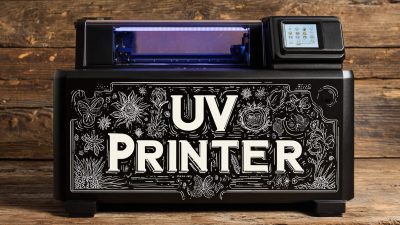
A multifunctional UV printer is a versatile printing solution designed to handle various media and applications. This technology employs ultraviolet (UV) light to dry or cure ink as it prints. Unlike traditional printers, which may rely on solvent or water-based inks, UV printers use fast-drying inks that can adhere to a wide range of materials.
In the global market, the UV printer industry is expected to grow significantly. According to market research, it is projected to reach around $2.4 billion by 2025, reflecting a compound annual growth rate (CAGR) of 9.4%.
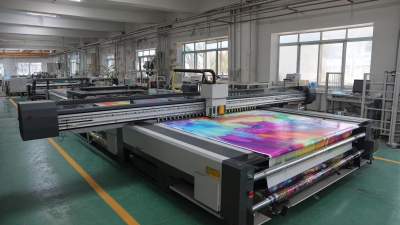
These printers can print on surfaces like wood, glass, metal, and even textiles. The flexibility to switch between materials makes them a popular choice in industries such as signage, packaging, and interior décor. However, there are challenges. Maintaining print quality on different materials can be complex. Focusing on precision and color accuracy is essential. The initial investment in UV technology can be high, deterring some smaller businesses. Despite these hurdles, many find the long-term benefits, including durability and reduced waste, worth the effort.
The environmental impact of UV ink is another point of consideration. While they produce fewer volatile organic compounds (VOCs) than traditional inks, the use of UV-cured inks may still raise concerns. Many companies are actively researching more sustainable solutions. Balancing the advantages of multifunctional UV printing with its implications remains a pertinent topic within the industry.
Key Features of Multifunctional UV Printers
Multifunctional UV printers stand out in the printing industry. Their ability to print on various surfaces is remarkable. These printers utilize ultraviolet light to cure or dry the ink as it's printed. This feature allows for immediate handling of the printed materials. According to a recent industry report, the global market for UV printing is expected to grow at a CAGR of 10.7% from 2020 to 2025.
Key features of multifunctional UV printers include versatility and speed. They can print on materials like glass, plastic, and metal. This opens new opportunities for creative projects. Printing can be done on different media types in one go. However, not all UV printers handle thick materials well. Some have limitations on the media thickness, which can be frustrating for users.
Another essential feature is the quality of prints. Many users expect high-resolution outputs. But some printers may struggle with color consistency. Research highlighted that nearly 30% of users encountered issues with color fidelity in certain environments. This can lead to unexpected results. Despite their advanced technology, there are still aspects that may require improvement.
How Multifunctional UV Printers Operate
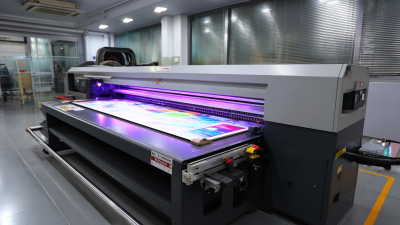
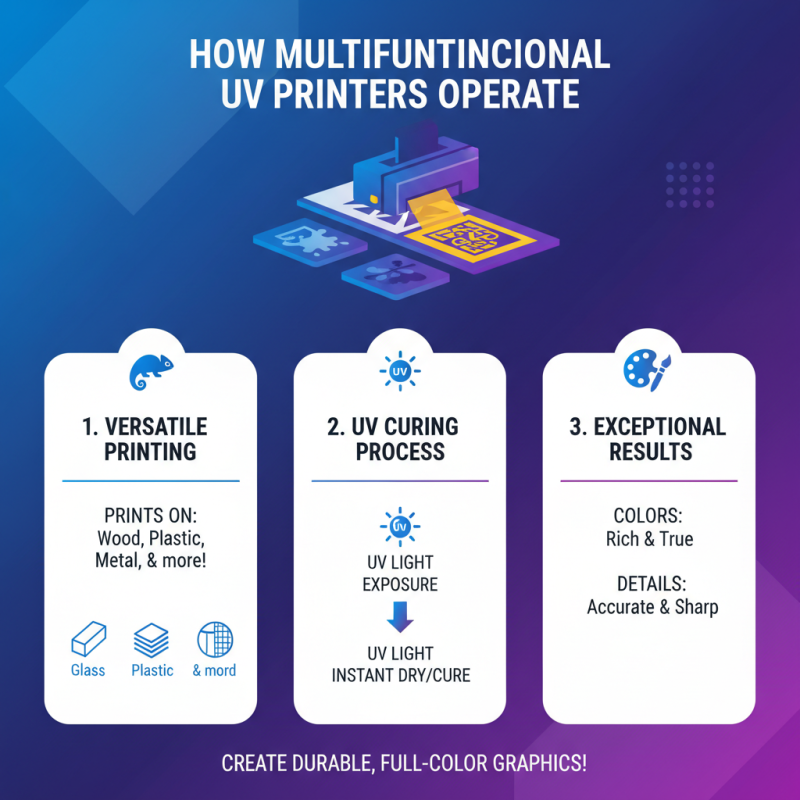
Multifunctional UV printers are unique machines that can print on various surfaces. They utilize ultraviolet light to cure or dry the ink as it prints. This process allows for vibrant colors and precise details. Users can create stunning graphics on materials such as wood, glass, plastic, and metal.
The operation of these printers begins with digital design. A computer sends the image to the printer. As it prints, the UV lights activate, instantly curing the ink. This method reduces the chances of smudging. It also ensures that colors remain bright. However, managing different substrates can be challenging. Each material requires specific settings for optimal results. Finding the right balance is crucial for high-quality prints.
Despite their advantages, multifunctional UV printers have limitations. The initial cost can be high. Users must also consider maintenance needs. Regular upkeep ensures longevity and performance reliability. Learning to operate these printers takes time. Mistakes can occur during printing. These experiences are valuable for improvement and growth.
Applications of Multifunctional UV Printing
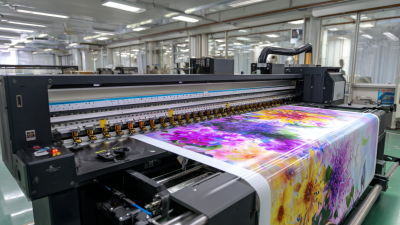
Multifunctional UV printers are making waves in various industries due to their versatility. These printers can handle a wide range of materials, from paper to metal and even wood. The technology uses ultraviolet light to cure or dry ink as it is printed. This results in vibrant colors and sharp images that are resistant to fading. However, as with any technology, challenges remain.
In the signage industry, for instance, the demand for durable and high-quality materials is growing. A market report notes that the UV printing segment in signage is expected to reach a value of $3.5 billion by 2026. Businesses are eager to adopt UV printing for outdoor signage that withstands weather conditions. Yet, optimizing color consistency across different materials can be tricky. Some users report discrepancies when printing on non-porous surfaces, necessitating careful calibration.
Packaging is another key area benefiting from multifunctional UV printing. The global market for UV printing in packaging is projected to grow at a rate of 8% annually. Brands are looking for unique, eye-catching solutions to stand out on shelves. However, some applications face challenges. Adhesion can be an issue with certain substrates, and not all companies have mastered the intricacies of ink formulations. Continuous learning and adjustments are essential for achieving desired results.
Advantages of Using Multifunctional UV Printers
Multifunctional UV printers are revolutionizing how businesses approach printing. These machines combine printing, scanning, and copying into one unit. They utilize UV light to cure ink instantly, allowing for vibrant colors and sharp details. This technology is favorable in various industries such as signage, packaging, and promotional products.
One significant advantage of using multifunctional UV printers is their versatility. These printers can handle a wide range of materials, including wood, metal, and plastic. A report from the Smithers Pira states that the global UV printing market is projected to reach $4.5 billion by 2025. This growth reflects the increasing demand for high-quality, durable prints. Investing in such printers can enhance operational efficiency and reduce production time.
Tip: Always consider the material you plan to print on. Different substrates may require specific settings. Adjusting the printer settings for each material can prevent waste and improve quality.
Additionally, multifunctional UV printers contribute to sustainability. They produce minimal waste due to their efficient inkusage. However, it’s essential to explore the long-term impact of UV inks on health and the environment. Not every printer provides safe materials, which is crucial for business ethics. Conduct thorough research before making a purchase to ensure you choose wisely.
Advantages of Using Multifunctional UV Printers