What is a Large UV Flatbed Printer and How Does It Work?
The Large UV Flatbed Printer has revolutionized printing processes across various industries. According to Smithers Pira, the global market for UV printing is projected to reach $24 billion by 2025. This growth is driven by the increasing demand for high-quality prints on diverse substrates and applications.
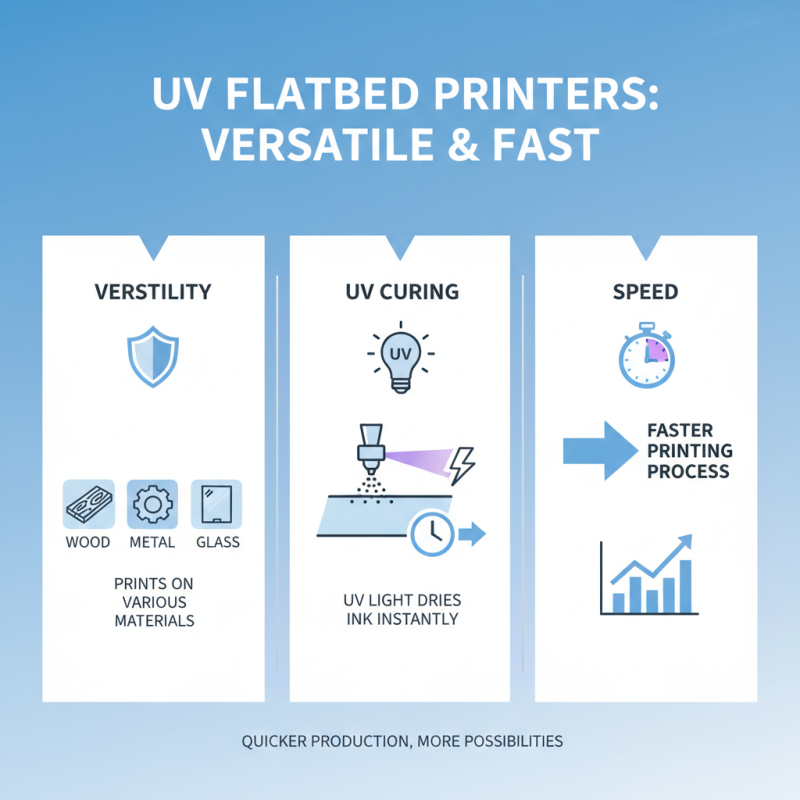
Dr. Emily Wilson, a leading expert in printing technology, emphasizes the significance of this innovation. She states, "Large UV Flatbed Printers allow businesses to expand their creative potential." These machines use ultraviolet light to cure ink instantly, resulting in sharp, vibrant images. They can print on materials like wood, metal, and glass, making them versatile.
Yet, challenges remain in the market. Many users report issues such as maintenance costs and operational complexity. While these printers offer impressive capabilities, businesses must evaluate their specific needs before investing. The technology's rapid evolution keeps pushing the boundaries, demanding continual reflection and adaptation from users.
What is a Large UV Flatbed Printer and Its Key Definitions
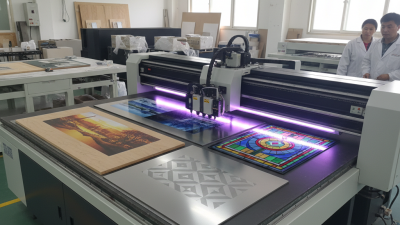
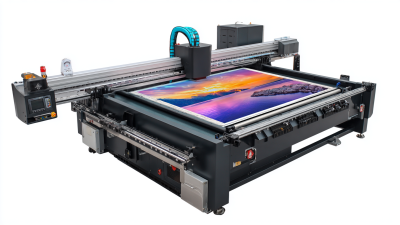
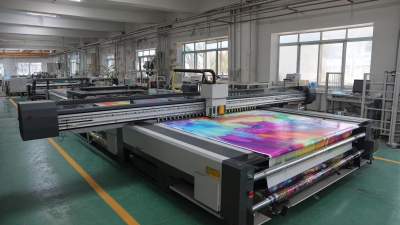
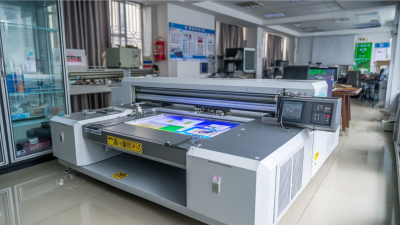
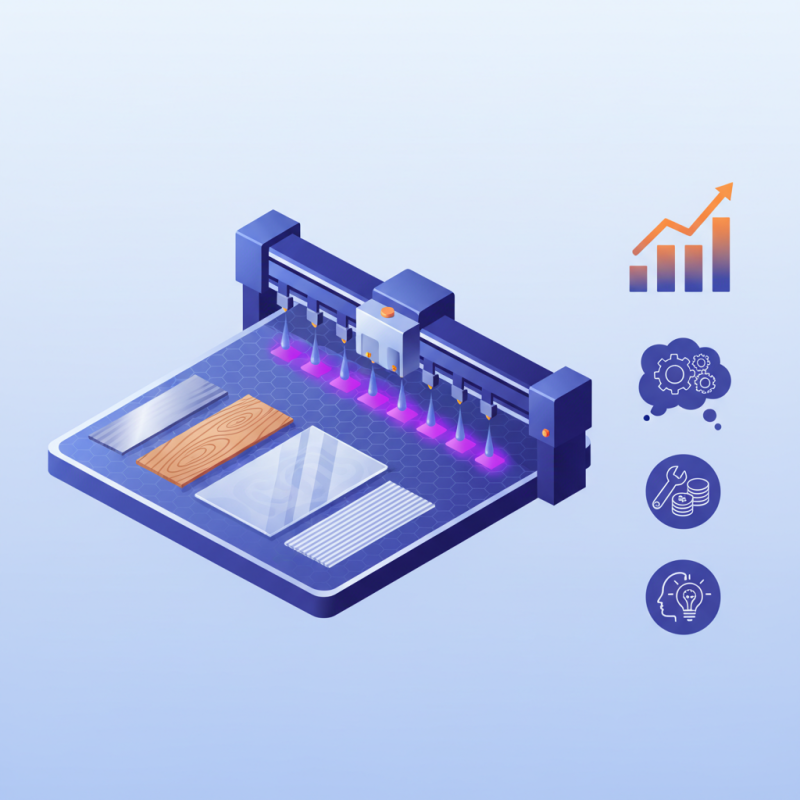
A large UV flatbed printer is a versatile tool. It prints on various materials like wood, metal, and glass. Its unique feature is ultraviolet (UV) light. This light cures the ink almost instantly. As a result, the printing process is quicker.
There are several key definitions to understand. The flatbed refers to the printing surface, which is flat and sturdy. This allows for large items to be printed without moving them. Another term is “digital printing.” This method uses digital files, making it easier to customize designs. The UV ink is crucial too. It’s designed to adhere well to various surfaces and resist fading.
These printers often face challenges. Sometimes, the ink does not cure evenly. This can lead to inconsistencies in color and finish. Operators need to regularly maintain and calibrate the machine. Ignoring maintenance can lead to larger issues over time. It's important to listen to the senses. A slight change in sound or smell may indicate underlying problems. Adapting to these details is essential for optimal performance.
The Technology Behind UV Flatbed Printing: How It Functions
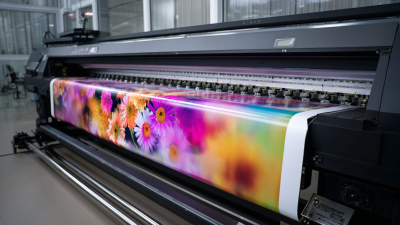
UV flatbed printing is a unique process that utilizes ultraviolet light to cure or dry the ink as it is printed. This technology allows for high-quality prints on various substrates, including wood, glass, metal, and plastic. A key advantage of UV printing is its ability to adhere to non-porous surfaces, which is not possible with traditional inkjet methods. In fact, according to industry reports, the UV printing market is projected to reach $4.7 billion by 2025. This growth is attributed to the robust demand for digital printing solutions across diverse sectors.
The mechanics of UV flatbed printers involve a print head moving across the material, depositing ink through microscopic nozzles. As the ink is laid down, UV lamps immediately cure it, forming a solid film. This process significantly reduces drying times, allowing for rapid production cycles. However, the initial investment for quality UV printers can be high, and not all businesses are equipped to handle such costs. Some companies struggle to fully grasp the technology, leading to inconsistent print quality and wasted materials. This gap in understanding can hinder a company's ability to compete in a fast-evolving market.
Despite these challenges, the technology promises versatility and durability that other methods cannot match. UV prints exhibit resistance to scratches and harsh weather conditions, making them suitable for both indoor and outdoor applications. The shift towards eco-friendly inks, which emit fewer volatile organic compounds, further enhances the appeal of UV printing. Industry surveys indicate that about 70% of printing companies now prioritize sustainability, which drives the adoption of UV technology.
Key Benefits of Using Large UV Flatbed Printers in Various Industries
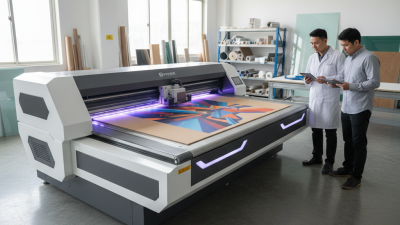
Large UV flatbed printers are transforming industries with their versatility. They can print on various materials, including wood, metal, glass, and plastic. This capability allows businesses to create stunning visuals and designs that stand out. They are especially useful for creating custom signage, promotional materials, and product packaging.
One key benefit is their efficiency. These printers can handle large volumes with speed. Businesses can meet tight deadlines without sacrificing quality. Additionally, UV printing uses special inks that cure instantly when exposed to UV light. This results in vibrant colors and sharp images. Moreover, it reduces waste compared to traditional printing methods. However, the initial investment can be substantial.
Employing large UV flatbed printers can enhance production flexibility. Companies can easily switch between projects. This adaptability is crucial in today’s fast-paced market. Yet, operators must be well-trained. Inadequate skills can lead to printing errors. Each print run should be closely monitored to guarantee quality. Balancing speed and precision is a challenge.
Benefits of Large UV Flatbed Printers Across Various Industries
Common Applications of Large UV Flatbed Printers in Commercial Printing
Large UV flatbed printers are versatile tools in the commercial printing industry. They execute high-quality, detailed prints on various materials. From plastics to wood, these printers accommodate diverse substrates. According to a recent industry report, the global UV printing market is expected to grow by 9% annually, highlighting increasing demand.
Common applications include signage, décor, and packaging. UV flatbed printers can print directly on rigid materials. This opens opportunities for custom projects, such as personalized displays or unique promotional items. Retailers often use these printers for eye-catching point-of-sale displays. Event organizers favor them for signage that withstands outdoor conditions.
**Tips:** When selecting a UV printer, consider the substrate options. Not all printers handle every material well. Always check the printer’s capabilities for specific needs. Maintenance is crucial for optimal performance. Regular cleaning keeps the print heads clear and reduces downtime.
Another point to reflect on is the potential waste. Misprints or material defects can lead to increased costs. Implementing efficient design practices can help reduce these issues. It’s essential to balance creativity and practicality in your printing projects.
What is a Large UV Flatbed Printer and How Does It Work? - Common Applications of Large UV Flatbed Printers in Commercial Printing
| Application |
Material |
Print Size |
Durability |
Production Speed |
| Signage |
Acrylic, Foam Board |
Up to 4 x 8 ft |
Weather-resistant |
High speed |
| Packaging Prototypes |
Cardboard, Paper |
Varied sizes |
Standard durability |
Moderate speed |
| Decorative Surfaces |
Wood, Metal |
Custom sizes |
Highly durable |
Variable speed |
| Point of Purchase Displays |
Plastic, Cardstock |
Up to 5 x 10 ft |
Long-lasting |
Fast turnaround |
| Promotional Items |
Plastic, Glass |
Small to medium |
Moderate durability |
Efficient |
Market Trends and Future Innovations in UV Flatbed Printer Technology
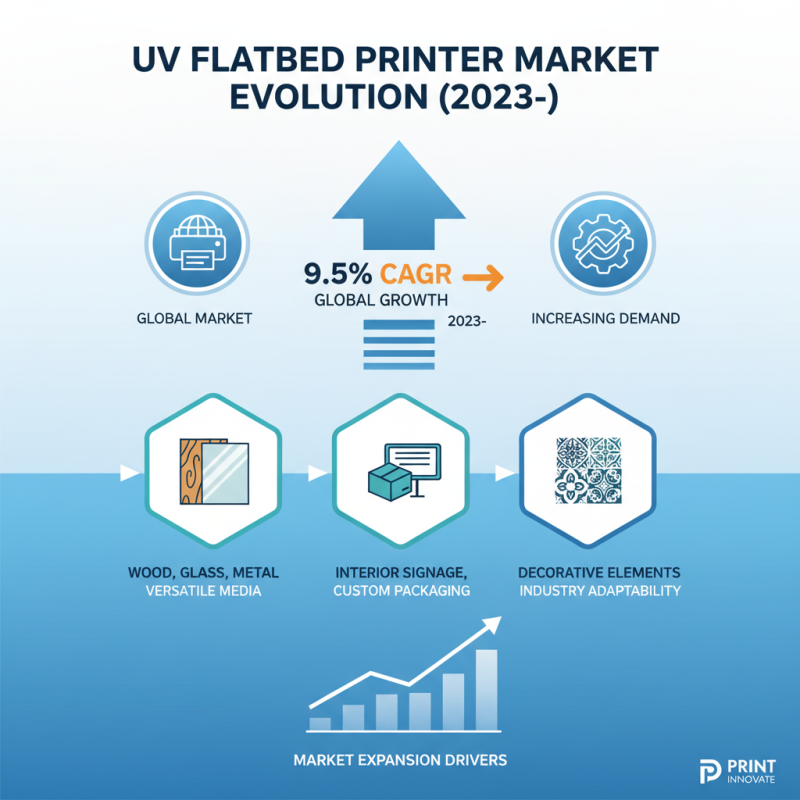
The UV flatbed printer market is evolving rapidly. In 2023, the global UV flatbed printer market is projected to grow at a compound annual growth rate (CAGR) of 9.5%. This trend signals an increasing demand for adaptable printing solutions across various industries. The ability to print on different media types, such as wood, glass, and metal, is driving this growth. It opens up opportunities for interior signage, custom packaging, and decorative elements.
Future innovations are likely to focus on enhancing efficiency and reducing waste. Companies are investing in smart technology and automation. These advancements can minimize downtime and save costs. A recent report highlights that over 55% of manufacturers are exploring eco-friendly inks and sustainable practices. This is a crucial response to environmental concerns in the printing industry.
Challenges remain. The competition in pricing can be fierce. Many manufacturers strive to adopt advanced technologies while battling cost efficiency. Additionally, there’s a need for better training programs. Workers must adapt to technological advancements to fully leverage these printers. As the market progresses, addressing these issues will be critical for sustained growth.