Top Tips for Choosing an Industrial UV Printer for Your Business?
In the rapidly evolving world of printing technology, selecting the right Industrial UV Printer can significantly influence your business success. According to renowned industry expert, Dr. Emily Carter, “The right UV printer can elevate your production capabilities and open new market opportunities.” Her insights highlight the critical nature of making informed decisions.
Investing in an Industrial UV Printer requires careful consideration of several factors. These include print speed, quality, and material compatibility. Potential buyers should weigh their specific needs against the features offered by different models. For example, consider your production volume and the types of materials you will print on.
Many businesses make the mistake of focusing too much on the initial cost instead of the long-term benefits. A cheaper printer may not provide the durability or quality needed, leading to greater expenses over time. Therefore, understanding the trade-offs is essential. Investing in a high-quality Industrial UV Printer can result in superior products that stand out in today's competitive market.
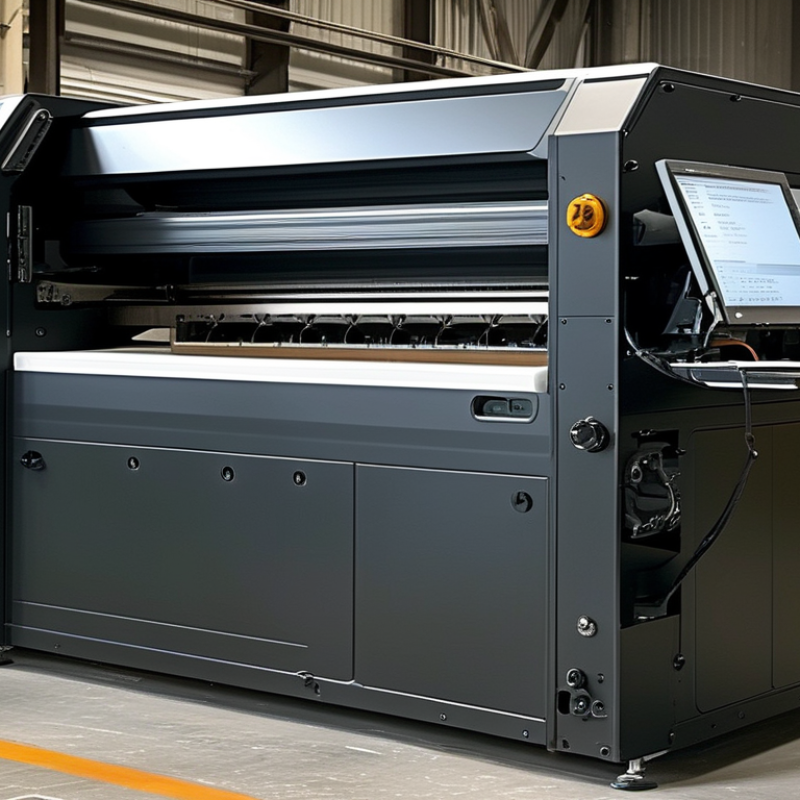
Key Factors to Consider When Selecting an Industrial UV Printer
Choosing the right industrial UV printer requires careful consideration of several key factors. One primary factor is print resolution. According to industry data, 70% of businesses prioritize high resolution for detailed output. A printer's DPI (dots per inch) greatly influences quality. For applications involving intricate designs, higher DPI is crucial. But, high resolution often comes at a higher cost.
Another significant element is substrate compatibility. Many UV printers can handle various materials, yet not all perform well across the board. Research indicates that printers designed for specific substrates can yield better results. Businesses should evaluate what materials they will use most. This choice impacts both quality and cost-efficiency. It’s essential to understand the printer's limitations.
The production speed also plays an important role. Industry reports note that speed can affect overall productivity. However, faster printers may sacrifice quality. Finding a balance between speed and quality can be challenging. It's vital to reflect on your business needs. Will you prioritize speed for bulk orders or quality for smaller runs? Each choice will shape your operational efficiency in unique ways.
Top Tips for Choosing an Industrial UV Printer for Your Business
| Feature |
Description |
Importance |
| Print Quality |
Resolution and clarity of printed images, essential for detailed graphics. |
High |
| Speed |
How fast the printer can produce prints, crucial for meeting deadlines. |
Medium |
| Materials Compatibility |
Ability to print on various surfaces like wood, glass, and metal. |
High |
| Ink Type |
Type of UV ink used, impacting durability and adhesion. |
High |
| Print Width |
Maximum width of media that can be printed on, affecting production size. |
Medium |
| Cost of Ownership |
Total cost including maintenance, materials, and energy consumption. |
High |
| Ease of Use |
User-friendly interface and software for streamlined operation. |
Medium |
| Support and Warranty |
Availability of customer support and length of warranty offered. |
High |
Understanding the Diverse Applications of UV Printing in Various Industries
UV printing technology finds applications in many sectors, from packaging to signage. It offers vibrant colors and durability. Businesses benefit from its ability to print on various substrates like wood, metal, and glass. This versatility makes it a valuable asset.
In the packaging industry, UV printing enhances product appeal. Companies can create eye-catching designs that stand out on shelves. Customization options are vast, enabling firms to produce unique packaging. This attracts consumers and fosters brand loyalty.
The signage sector also utilizes UV printing for high-quality displays. Outdoor signs are subject to weather conditions. UV prints hold up well against fading and wear. However, businesses should consider their needs carefully. Not all UV printers are created equal. Matching the printer to specific applications is crucial for optimal results.
Evaluating Print Quality: Resolution, Speed, and Color Accuracy Metrics
When selecting an industrial UV printer, evaluating print quality is crucial. Focus on print resolution, speed, and color accuracy metrics. Research shows that printers with a resolution of 1200 dpi significantly enhance clarity and detail. High-resolution outputs reduce blurriness and can elevate brand perception.
Speed plays a vital role in productivity. Many high-performance models boast speeds of 100 to 200 square feet per hour. However, speed should not compromise quality. A printer that claims high speed but delivers subpar color saturation may not fit long-term needs.
Color accuracy is fundamental for vibrant prints. Studies indicate that 97% of customers prefer accurate colors in promotional materials. Choosing printers with advanced ink configurations, like CMYK plus additional colors, can improve color matching and reproduction. Reflect on the balance between these metrics and overall operational goals. Solutions may differ based on specific business demands or market expectations.
Comparing Cost-Effectiveness: Initial Investment and Long-term Maintenance
When considering an industrial UV printer for your business, the cost-effectiveness is key. The initial investment can vary widely. Understanding what you get for your money is crucial. Some printers might seem cheaper but come with hidden costs. Analyzing the features and the quality of prints can lead to better choices.
Maintenance is another critical factor to consider. A printer requiring regular repairs can escalate costs quickly. Look for models that offer straightforward maintenance options. This can save both time and money in the long run. Keep an eye on the availability of replacement parts. They should be easy to find and not overly expensive.
It's also essential to factor in energy consumption. Some printers can be power-hungry, increasing your operational costs considerably. Evaluate the printing speed versus energy use. In quieter times, slower machines may be more cost-effective. Always assess your business needs. Some functions might seem attractive but may not be necessary for your operations. Balancing features and performance with your budget is essential.
Cost-Effectiveness of Industrial UV Printers
Exploring Industry Trends: The Future of UV Printing Technology and Innovations
As businesses evolve, so does UV printing technology. Recent trends show an increasing focus on sustainability and versatility. More companies now seek printers that reduce ink waste and energy consumption. This shift is essential for meeting environmental standards and consumer demands.
Innovation drives the future of UV printing. Recent advancements allow for faster drying times and higher resolution outputs. These changes have made UV printing more appealing for various materials. However, not all businesses are adapting swiftly to these changes. Some may struggle with integrating new technologies into their existing systems.
Education and research become crucial. Understanding your specific needs helps in selecting the right technology. Evaluate the long-term benefits versus initial costs. Engaging with industry experts can also provide insights on choosing efficient solutions. The right UV printer can elevate your production while aligning with environmental goals.