Why Choose a Large Uv Flatbed Printer for Your Printing Business Needs
In today's competitive printing landscape, the choice of equipment can dramatically influence the success of a business. Experts like John Smith, a leading figure in the digital printing industry, emphasize the importance of investing in high-quality technology. He once stated, "A Large UV Flatbed Printer is not just a tool; it's an investment in innovation and creativity." This sentiment resonates deeply with businesses looking to expand their offerings and enhance print quality.
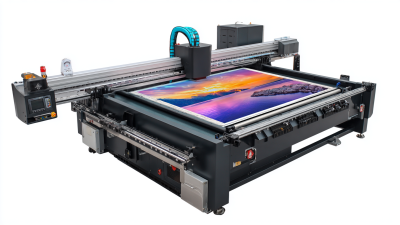
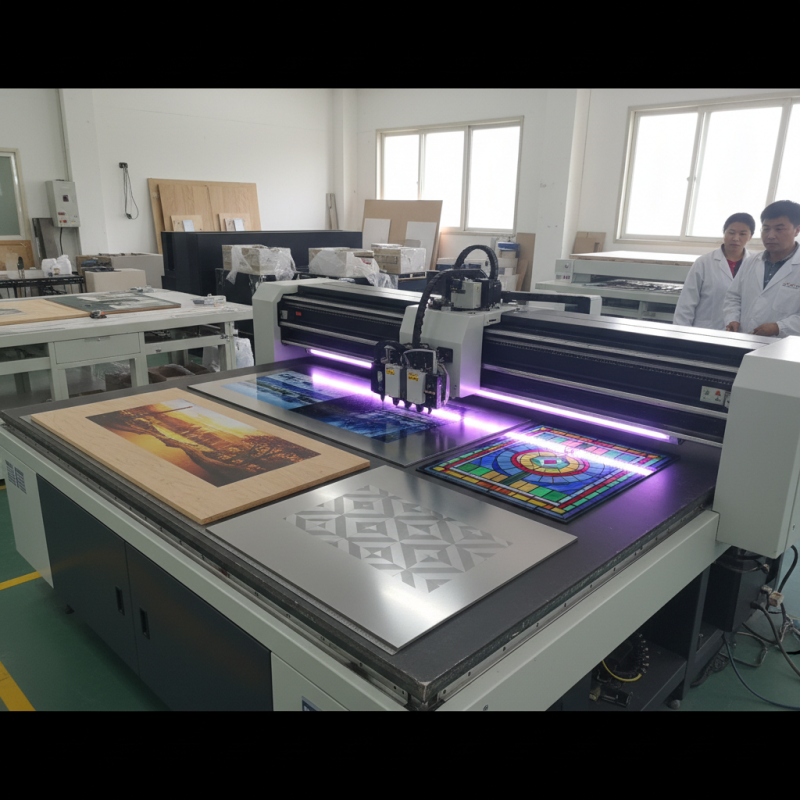
The Large UV Flatbed Printer stands out in the realm of printing technology due to its versatility and ability to print on various substrates, including wood, metal, and glass. Its unique capabilities allow for high-resolution, vibrant prints that attract customers and meet diverse demands. As the industry evolves, adopting advanced technology like this printer not only boosts production efficiency but also positions businesses to stay ahead of competitors.
In this article, we will explore the compelling reasons for choosing a Large UV Flatbed Printer for your printing business. By examining its benefits and applications, we aim to illustrate how this investment can contribute significantly to your operational success and customer satisfaction.
Understanding the Benefits of Large UV Flatbed Printers
Large UV flatbed printers have revolutionized the printing industry by offering
unprecedented versatility and quality.
These printers utilize UV-curable inks that dry instantly when exposed to UV light,
enabling a wide range of printing surfaces, including rigid materials such as
wood, metal, and acrylic.
According to a recent industry report from Smithers Pira, the global digital printing
market is expected to grow exponentially, with UV printing leading the way due to its
swift turnaround times and reduced waste. Businesses that invest in large UV flatbed
printers can significantly improve their operational efficiency and expand their
service offerings.
Tip: When considering the purchase of a large UV flatbed printer,
assess the range of materials you plan to print on. Knowing your target market
can help you choose a printer that meets your specific needs and maximizes your
potential revenue streams.
Additionally, large UV flatbed printers provide exceptional color vibrancy and detail,
making them ideal for high-quality signage and packaging. They often feature advanced
imaging technologies that support high-resolution prints, attracting customers who demand
superior output. A study by Keypoint Intelligence indicates that
businesses using UV printing can achieve up to
50% higher productivity compared to traditional printing methods.
This not only boosts profitability but also enhances customer satisfaction, leading to
repeat business and referrals.
Tip: Invest in training for your staff
to ensure they can maximize the capabilities of your UV flatbed printer.
Adequate training can help reduce errors and
improve print quality, ensuring your operation runs smoothly.
Key Features of Large UV Flatbed Printers for Business Needs
Large UV flatbed printers have become an essential asset for businesses seeking to expand their printing capabilities. One of the key features of these printers is their ability to print on a wide variety of materials, including rigid substrates such as wood, glass, and metal. According to a report by Smithers Pira, the digital printing market is expected to grow by 7.4% annually, reaching $292 billion by 2024. This trend highlights the increasing demand for versatile printers that can handle diverse media types while maintaining high-quality output.
Another critical feature of large UV flatbed printers is their speed and efficiency. These machines can produce high-resolution prints at remarkable speeds, catering to urgent deadlines without compromising quality. Data from the Freedonia Group indicates that the demand for digital printing is set to increase due to the ongoing transition from analog to digital processes, with UV flatbed printers leading the charge. Businesses can leverage this technology to boost productivity and meet customer demands for rapid turnaround times.
Moreover, large UV flatbed printers offer excellent durability and resistance to fading, making them ideal for outdoor signage and promotional materials. The ability to use UV-curable inks allows for longer-lasting prints even in harsh environmental conditions. The global UV inks market is projected to reach $3.8 billion by 2026, reflecting the growing awareness of quality and longevity among consumers and businesses alike. By investing in large UV flatbed printers, businesses can ensure they meet the evolving needs of their customers while maintaining a competitive edge in the market.
Cost-Benefit Analysis: Large UV Flatbed Printers vs. Traditional Printers
When evaluating the cost-effectiveness of large UV flatbed printers compared to traditional printers, several key factors emerge that can significantly influence a printing business's bottom line. Large UV flatbed printers offer a superior return on investment, primarily due to their versatility and efficiency. According to a report by Smithers Pira, the market for industrial printers, including UV flatbed models, is expected to grow at a CAGR of 4.9%, reaching nearly $22 billion by 2025. This growth reflects an increased adoption of UV technology, which allows businesses to print on a wider range of materials, including wood, glass, and metal, without the extensive setup times associated with traditional printers.
Additionally, the operational cost analysis reveals that large UV flatbed printers consume less ink and have lower maintenance requirements compared to their conventional counterparts. A study published in the Journal of Industrial Technology indicated that UV-curable inks reduce waste and offer better adhesion, which can decrease the overall cost per print. This efficiency means that businesses can increase their production capabilities while minimizing overhead expenses. Furthermore, the durability of UV prints enhances customer satisfaction, resulting in fewer reprints and higher profitability. Thus, investing in a large UV flatbed printer not only meets the diverse needs of a modern printing business but also provides a solid financial advantage in an increasingly competitive landscape.
Applications and Industries Best Suited for Large UV Flatbed Printing
Large UV flatbed printers have become essential tools across various industries, thanks to their versatility and high-quality output. One of the primary applications for large UV flatbed printing is within the signage industry. Businesses rely on these printers to create vibrant, durable outdoor signs that need to withstand different weather conditions without fading. From billboards to custom promotional displays, the ability to print directly on a variety of substrates, including foam board, wood, and metal, allows for creative flexibility and enhanced visual appeal.
Additionally, the décor and interior design sectors benefit tremendously from large UV flatbed printing. Furniture manufacturers and interior designers utilize this technology to produce custom graphics on surfaces such as cabinetry, walls, and floor tiles. The UV printing process enables intricate designs and colors to be replicated accurately, resulting in stunning, personalized décor elements. This capability opens up new opportunities for artists and designers to express their creativity and cater to client demands for unique and tailored products. Moreover, the packaging industry is also seeing increased use of large UV flatbed printers, where they can produce eye-catching, high-quality packaging solutions that stand out on the shelves, enhancing brand appeal.
Factors to Consider When Choosing a Large UV Flatbed Printer
When selecting a large UV flatbed printer for your printing business, several key factors come into play. First and foremost, printing quality should be at the forefront of your decision. According to a recent industry report by Smithers Pira, UV printing technology can achieve higher resolutions and better color accuracy compared to traditional printing methods. This superior quality is essential for businesses aiming to meet the increasing demands for high-definition outputs in sectors such as signage, packaging, and promotional materials.
Another critical consideration is the versatility of the printer. Large UV flatbed printers should be capable of handling various substrates, including rigid materials like wood, metal, glass, and even textiles. The versatility in media types expands the range of applications your business can offer, which is vital in a competitive market. A study by MarketsandMarkets shows that the global UV printing market is projected to grow significantly, with a CAGR of 11% from 2021 to 2026, indicating a robust increase in demand for adaptable printing solutions.
Finally, you must evaluate the operational efficiency and cost-effectiveness of the printer. Look for features that enhance productivity, such as automated loading systems and fast printing speeds. A report from Research and Markets highlights that operational efficiency in large-format printing can lead to a reduction in production costs by up to 30%. This efficiency not only boosts profitability but also allows businesses to meet tight deadlines while maintaining quality standards, making it an essential aspect of your printer selection process.