How to Choose the Best Uv Flatbed Printer for Your Business?
Choosing the right UV flatbed printer is crucial for your business success. The global UV printing market is expected to reach $9.1 billion by 2023, illustrating its growing importance. More businesses are recognizing the benefits of UV technology. It offers high-quality prints on various materials, including wood, metal, and glass.
However, selecting a UV flatbed printer can be overwhelming. Each model comes with its own features and specifications. Knowing the right options can make a significant difference. For instance, print speed, resolution, and software compatibility are vital factors to consider. A large-scale study showed that 70% of businesses regretted their initial printer choice after one year. This highlights the importance of thoughtful decision-making in the selection process.
Consider the future needs of your business as well. Your growth plans may require a printer that can adapt to new technologies. Finding a reliable supplier is equally important. Customer support can impact your production efficiency. In the fast-paced world of printing, a good UV flatbed printer should not only meet current needs but also anticipate future challenges.
Understanding UV Flatbed Printers: Key Features and Specifications
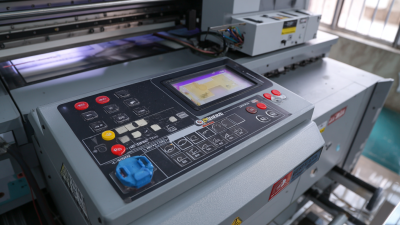
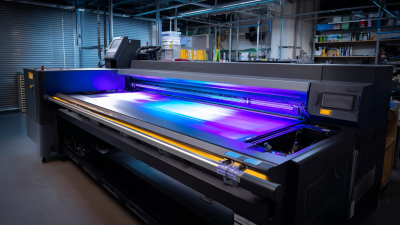
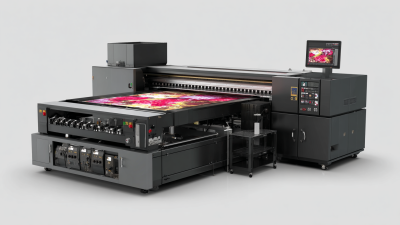
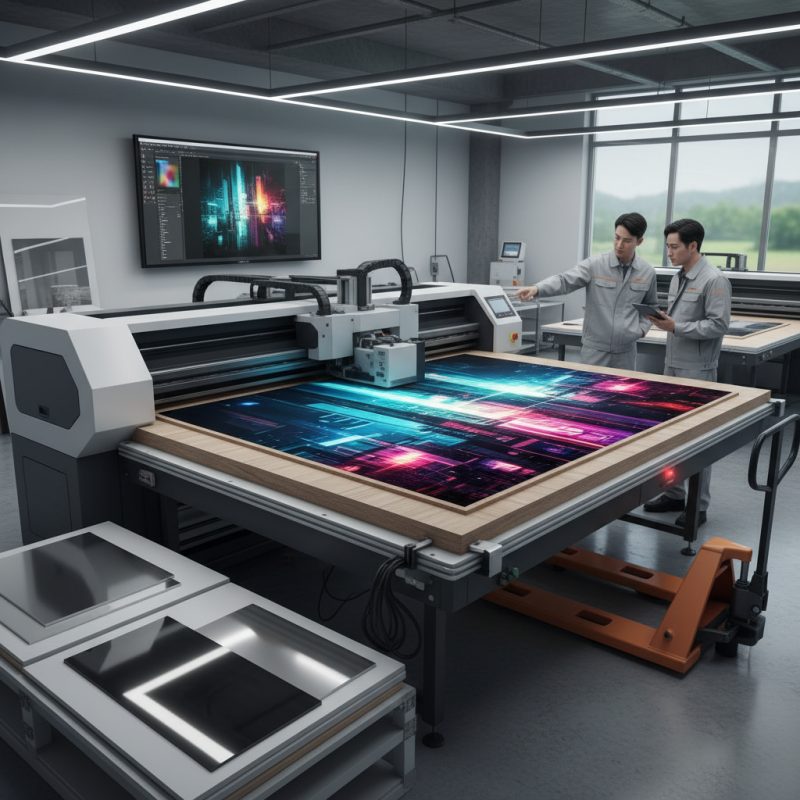
Understanding UV flatbed printers is crucial for making a smart investment. These printers use ultraviolet light to cure ink as it is printed. This technology allows for printing on various surfaces, like wood, metal, and glass. The versatility of materials is one of the key features that businesses value.
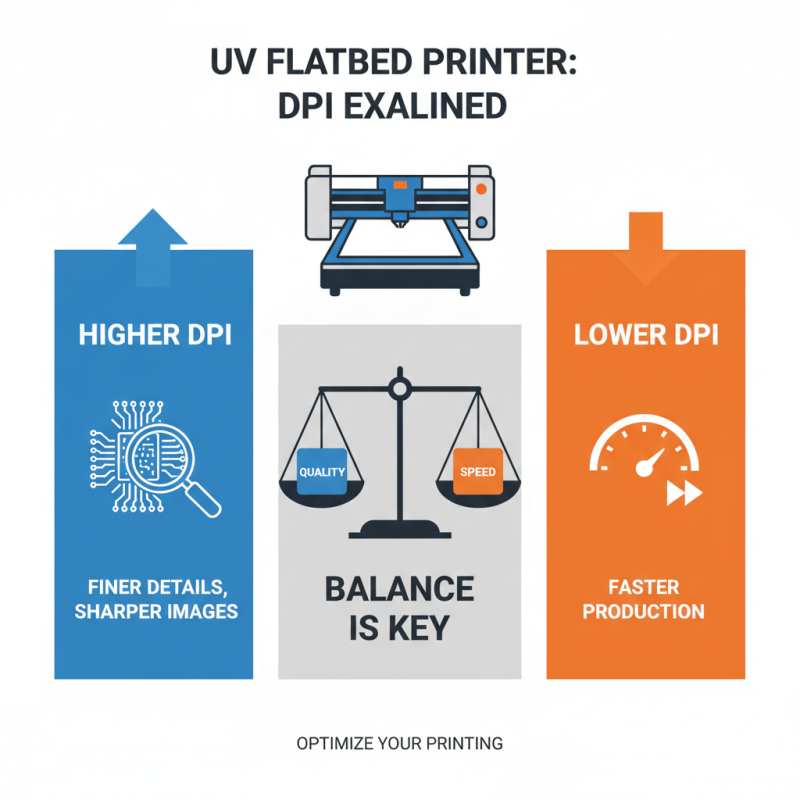
When considering a UV flatbed printer, focus on resolution and speed. Higher resolution yields better detail but may affect speed. An ideal balance is essential, especially for large production runs. Ink curing time is another specification to watch. Some printers offer fast curing, making them more efficient.
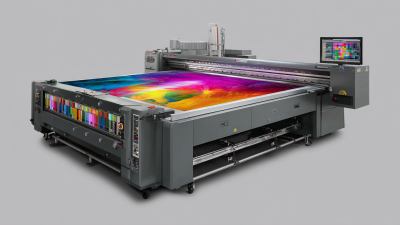
Also, assess the printer’s size and footprint. Larger printers handle bigger materials but require more space. Evaluate your workspace before making a decision. It's easy to overlook these details, leading to regrets later. Reflect on your business's specific needs. This will guide you toward the best choice without unnecessary complications.
How to Choose the Best UV Flatbed Printer for Your Business?
| Feature |
Description |
Importance |
| Print Area Size |
Determines the maximum size of materials that can be printed. |
High - Affects the types of products you can offer. |
| Resolution |
Refers to the detail of the print, measured in DPI (dots per inch). |
Very High - Important for quality-sensitive applications. |
| Ink Type |
Different types of UV inks can affect the durability and finish of prints. |
High - Influences performance and material compatibility. |
| Print Speed |
Speed at which the printer can produce finished products. |
Medium - Impacts overall productivity and turnaround time. |
| Material Compatibility |
Ability to print on various substrates like wood, plastic, glass. |
Very High - Broadens product options and markets. |
| Software |
Included design and print management software capabilities. |
Medium - Affects ease of use and integration with design tools. |
Assessing Operational Costs: Ink Usage, Maintenance, and Energy Efficiency
When selecting a UV flatbed printer for your business,
operational costs can significantly influence your decision. Ink usage
is one major factor. You want a printer that uses ink efficiently. High ink consumption will inflate
your costs quickly. Research how much ink different models consume. Some printers offer better economy
in the long run.
Maintenance is another consideration. Some printers require regular upkeep, which adds costs.
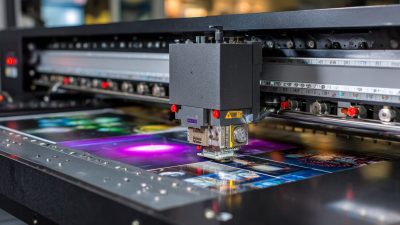
Understand what maintenance tasks you will face. For instance, print heads may need cleaning.
If not maintained, they can lead to printing issues. Look for printers with user-friendly designs
that allow easy access for maintenance. This saves time and money.
Energy efficiency is essential too. A printer that consumes less
energy can cut down your monthly utility bills. Investigate energy ratings before committing. Efficient
models may have higher upfront costs but can save money over time. Balancing these operational costs
requires careful evaluation. Make sure to weigh all aspects before making a decision.
Analyzing Production Speed: Turnaround Times for Various Applications
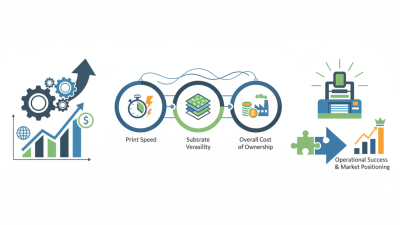
When selecting a UV flatbed printer, production speed is critical. Turnaround times can vary widely based on application. According to industry reports, typical production speeds range from 20 to 50 square meters per hour. However, some projects may demand faster results. For instance, signage production often necessitates a quick turnaround. This area may require printers that can operate at the higher end of the speed spectrum.
Additionally, different materials influence production times. Printing on rigid substrates can be slower compared to flexible films. Reports indicate that printers designed for rigid materials might face a speed reduction of up to 30%. Customers often expect quick delivery; delays can impact business relationships. Each application has its unique challenges, and not every printer can meet the expected speed. Understanding these nuances is vital.
It’s important to assess the specific production needs of your business. Regularly reviewing speed performance can lead to improvements. Turnaround times should be analyzed, just as workflows must be optimized. Experimenting with different settings may yield better production rates. Some businesses might overlook these aspects, which could hinder growth. Keeping production goals aligned with capabilities is essential.
Choosing the Right Brand: Market Leaders and Warranty Considerations
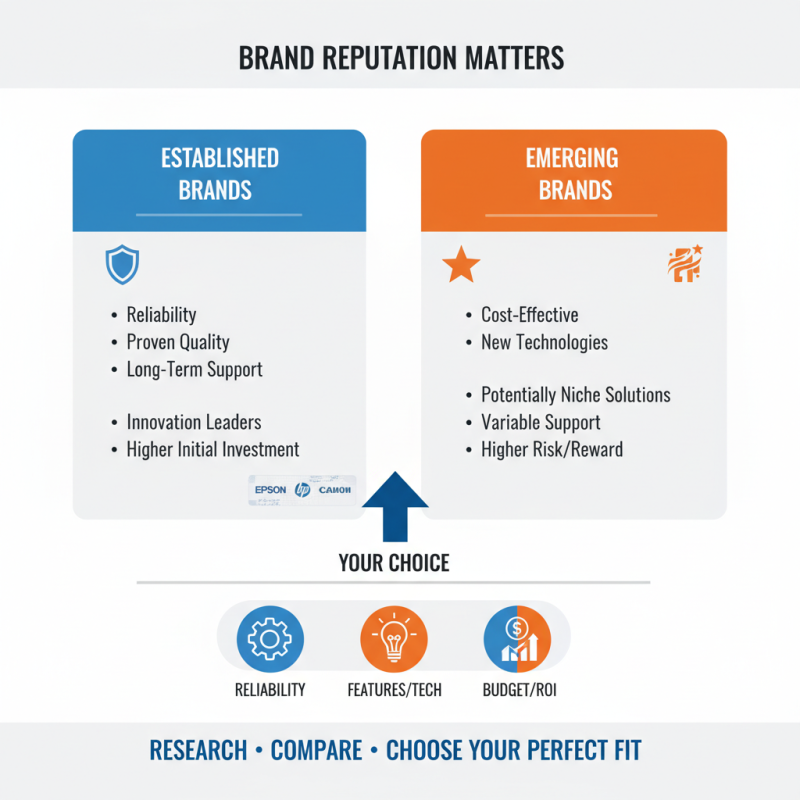
When selecting a UV flatbed printer, brand reputation plays a crucial role. Certain brands dominate the market, known for their reliability and innovative features. A well-established brand typically reflects quality and long-term support. However, emerging brands can also offer exciting new technology. Sometimes, taking a chance on lesser-known brands can lead to finding the perfect fit.
Warranty considerations are equally important. A robust warranty provides assurance in case of unexpected issues. Look for brands that offer extensive service packages. Consider the duration and terms of the warranty. Keep in mind that a lengthy warranty could indicate the manufacturer's confidence in their product. However, examine the fine print; not all warranties are created equal.
It’s valuable to balance brand reputation with real needs. Sometimes, personal experience and specific requirements can guide you better than trends. Conduct thorough research and read reviews. Some customers might share insights that challenge the brand's marketing claims. Be prepared to adjust your expectations as you learn more. This may help you find the printer that truly meets your business needs.