How to Choose the Best Industrial UV Printer for Your Needs?
Choosing the best industrial UV printer can be challenging. With various models available, making the right choice is crucial for your business. John Smith, an expert in printing technology, states, "Selecting the right industrial UV printer dramatically impacts print quality and production efficiency." His focus on practicality is vital for companies aiming to maximize their investment.
When evaluating an industrial UV printer, consider your specific needs. Look at factors like speed, print resolution, and material compatibility. Different printers serve diverse industries, from signage to packaging. Quality can vary widely, and not all options are suitable for every application.
Moreover, the market is filled with brands claiming superiority. It’s important to seek reliable reviews and case studies. Many users find their initial choice didn’t meet their expectations. This calls for reflection on how well a printer adapts to changes in business needs. Being well-informed leads to better decisions, ultimately ensuring you select the best industrial UV printer for your organization.
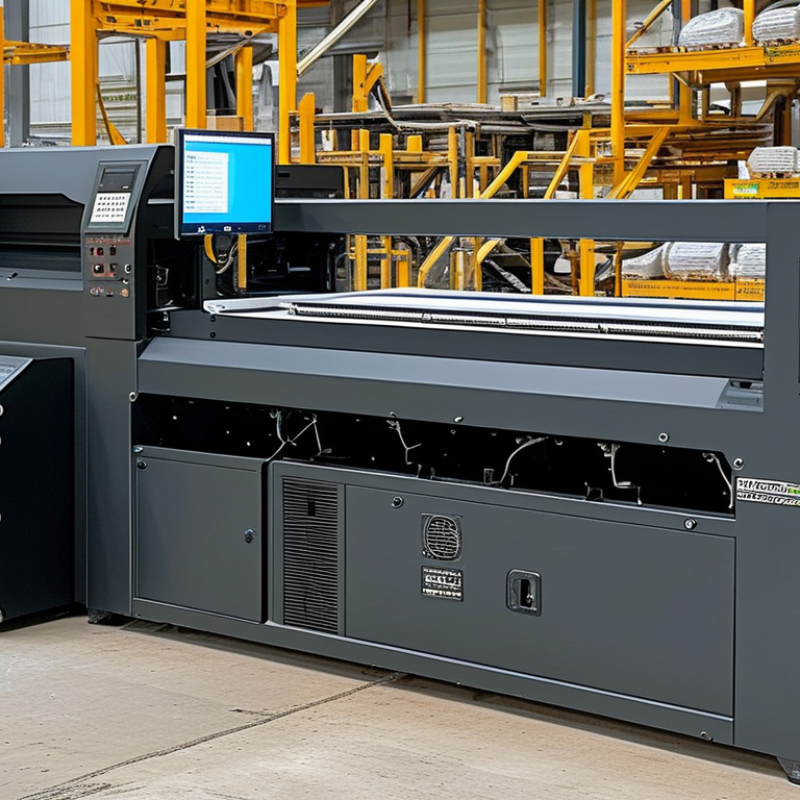
Understanding the Basics of Industrial UV Printers and Their Functions
Industrial UV printers are innovative tools used in various industries to create high-quality prints. These printers utilize ultraviolet light to cure inks quickly, allowing for vibrant colors and detailed images. Understanding the functions of these printers is crucial for selecting the right model for your needs.
The basic operation of an industrial UV printer involves UV light that instantly dries the ink as it is applied. This process enables printing on a diverse range of materials, including plastics, metals, and glass. The versatility of UV printing makes it an attractive option for businesses looking to expand their product offerings. However, not all UV printers are created equal. Factors such as speed, print resolution, and ease of use vary significantly among models. Evaluating your specific printing requirements is essential before making a decision.
Potential users should consider the environmental impact of their choice. Some UV printing inks can emit volatile organic compounds (VOCs). Not all printers handle waste responsibly, which can lead to additional concerns. A printer that is efficient in both the quality of the output and in maintaining ecological standards is ideal. Ultimately, reflecting on these basics can lead to a more informed purchasing decision.
Key Factors to Consider When Choosing an Industrial UV Printer
Selecting the right industrial UV printer can be challenging. Understanding key factors is essential to make an informed choice. One significant factor is the printer’s resolution. According to a report by Smithers Pira, high-resolution printers (above 1200 dpi) offer better detail and color fidelity, which are crucial for high-quality output in industries like signage and packaging.
Another important consideration is the ink type. UV-curable inks provide flexibility and durability. They can print on various substrates, including glass, metal, and plastics. According to a recent study by the International Journal of Advanced Manufacturing Technology, the market for UV printing technologies is projected to grow by 8.5% annually. This indicates a rising demand for versatile printing solutions.
Lastly, evaluate the printer's speed and efficiency. Productivity is often measured in square meters per hour. Some advanced printers can produce over 300 square meters of output per hour. However, it’s vital to balance speed and print quality. Fast printers might compromise the intricate details in the final product. Understanding these aspects can help clarify what aligns with your specific needs.
Evaluating Print Quality: Resolution, Speed, and Color Accuracy Metrics
When evaluating print quality for an industrial UV printer, three key metrics come into play: resolution, speed, and color accuracy. According to a recent study by the International Imaging Industry Association, print resolution significantly influences a project’s final appearance. A printer offering a resolution of 1200 dpi typically delivers sharper images. However, some applications may not require this level of quality, leading to wasted resources.
Speed is another critical factor. Many industrial applications require quick turnaround times. Printers that can achieve speeds of 100 square meters per hour or more are ideal for high-volume jobs. Yet, high speed can sometimes compromise quality. Assessing your specific needs is crucial.
Color accuracy is vital for projects that rely on brand consistency. A printer’s ability to reproduce Pantone colors accurately reduces reprints, reflecting on operational efficiency. Experts recommend choosing printers that can reproduce over 90% of the Pantone library for demanding applications.
Tips for selecting your industrial UV printer include:
1. Always request sample prints to gauge quality firsthand.
2. Analyze your project volume to align speed with your needs.
3. Don't overlook the importance of software compatibility for streamlined operations.
Cost Analysis: Initial Investment vs. Long-Term Operational Expenses
When selecting an industrial UV printer, understanding costs is key. The initial investment is significant. Yet, many overlook long-term operational costs. These can add up over time. Calculating ink consumption, maintenance, and energy use is crucial. Each aspect can influence your bottom line.
Consider the lifespan of the printer. Some models may be cheaper upfront but might require frequent repairs. This can lead to unplanned expenses. Evaluate warranty options carefully. A good warranty can save money in repairs. Ask yourself if you’re prepared for potential downtime.
Look into the cost of materials as well. Some printers consume more ink than others. This difference affects pricing significantly. Regular material costs, like substrates, also matter. The most economical choice may not be the cheapest printer. Always weigh the total cost of ownership. It’s not just about buying a printer; it's about long-term sustainability.
How to Choose the Best Industrial UV Printer for Your Needs? - Cost Analysis: Initial Investment vs. Long-Term Operational Expenses
| Printer Model |
Initial Investment ($) |
Annual Maintenance Cost ($) |
Ink Cost per Year ($) |
Average Lifespan (Years) |
Total Cost of Ownership ($) |
Cost per Print ($) |
| Model A |
10,000 |
1,200 |
3,000 |
5 |
26,000 |
0.52 |
| Model B |
15,000 |
900 |
4,000 |
7 |
40,300 |
0.60 |
| Model C |
12,000 |
1,500 |
2,500 |
6 |
27,000 |
0.50 |
| Model D |
20,000 |
1,800 |
5,500 |
8 |
54,400 |
0.68 |
Assessing Support and Maintenance Options for UV Printer Longevity
When choosing an industrial UV printer, support and maintenance options are critical. They can greatly impact your printer's longevity. Consider the availability of parts and the responsiveness of service teams. A reliable support system ensures quick fixes for potential issues. This keeps your operations running smoothly.
Tips: Check service agreements carefully. Look for options like on-site support or telephone assistance. Understand the response time for repairs. A printer that sits idle isn’t just frustrating; it can cost you money.
Maintenance is often overlooked. Regular upkeep maximizes performance and extends the life of your printer. Clean print heads and regularly update software. Yet, some users forget these simple tasks. Ignoring maintenance can lead to subpar print quality or even costly repairs down the line.
Tips: Create a maintenance schedule. Set reminders for routine checks. If something seems off, don’t wait. Investigate issues immediately to prevent further damage. Taking small steps can lead to long-term benefits.