Best Multifunctional UV Printers for Your Business Needs in 2023
As businesses strive to enhance their operations and offer unique products, the importance of investing in advanced printing technology cannot be overstated. Among these technologies, the multifunctional UV printer stands out as a versatile solution that meets a wide range of printing needs. Designed to accommodate various materials and applications, these printers have gained significant traction in various industries, from signage and packaging to personalized gifts and promotional items.
In 2023, selecting the best multifunctional UV printer is crucial for businesses aiming to elevate their product offerings and streamline their printing processes. Unlike traditional printers, multifunctional UV printers utilize ultraviolet light to cure inks instantly, allowing for faster production times and high-quality outputs. This innovative technology opens the door to new creative possibilities, enabling businesses to print on diverse surfaces such as wood, metal, glass, and even fabric.
In this article, we will explore the key features and benefits of multifunctional UV printers, providing insights into how these machines can transform printing operations. By understanding the essential attributes that define the best models available this year, businesses can make informed decisions that ultimately enhance their productivity and profitability.

Understanding the Basics of UV Printers and Their Applications
UV printers have emerged as powerful tools in various industries due to their versatility and efficiency. Utilizing ultraviolet light for curing inks, these printers can create high-quality prints on a wide range of materials, including plastics, metals, wood, and glass. According to a report by Smithers Pira, the global UV printing market is expected to grow at a compound annual growth rate (CAGR) of 10.6% from 2019 to 2024, driven by advancements in technology and increasing demand for eco-friendly printing solutions. This flexibility makes UV printers particularly appealing to businesses looking to diversify their offerings without investing in multiple machines.
In terms of applications, UV printers find significant uses in sectors such as signage, packaging, and promotional merchandise. The customizability of UV printing allows companies to produce vibrant graphics, intricate designs, and textures that were previously challenging to achieve. A study by Technavio highlights that UV inks contribute to enhanced durability and resistance to environmental factors, making them an ideal choice for outdoor applications. As businesses increasingly seek to improve their operational efficiency, incorporating multifunctional UV printers can lead to reduced production times and lower costs, ultimately contributing to greater profitability in the fast-paced market.
Key Features to Look for in a Multifunctional UV Printer
When selecting a multifunctional UV printer for your business in 2023, several key features can significantly impact your operational efficiency and output quality. First and foremost, print quality is paramount; look for printers that offer a minimum resolution of 1200 dpi, as this is crucial for producing sharp, vibrant images. According to a recent industry report by Smithers Pira, the demand for high-quality imaging in commercial printing has increased by 15% over the past five years, underscoring the necessity of such capabilities in staying competitive.
Another vital feature to consider is the printer’s versatility in handling various substrates. Modern multifunctional UV printers should accommodate a wide range of materials, including plastics, glass, and textiles. Research from InfoTrends indicates that 67% of print service providers consider material versatility a critical factor in their purchasing decisions. Furthermore, ensure that the printer supports quick-drying UV inks, which not only enhance print durability but also improve turnaround times—an essential aspect in today’s fast-paced business environment.
Lastly, assess the ease of use and maintenance. Advanced printers equipped with automated features can reduce downtime significantly. Data from the National Association for Printing Leadership shows that companies with user-friendly printers report a 25% increase in productivity. Thus, choosing a multifunctional UV printer that integrates intuitive software and simplified maintenance protocols can markedly enhance your business’s operational workflow.
Top UV Printer Brands and Their Best-Selling Models in 2023
In 2023, the market for UV printers has been rapidly evolving, with various brands introducing innovative models tailored to meet diverse business needs. Companies looking to enhance their printing capabilities will find several top-tier UV printer brands offering outstanding performance and versatility. These printers are designed to handle a wide range of materials, making them ideal for applications in signage, promotional items, and packaging.
Among the best-selling models, features like high-resolution output, fast drying times, and energy efficiency stand out. Many brands focus on user-friendly interfaces and advanced printing technologies that allow businesses to streamline their workflows. Customizability options are also increasingly popular, enabling companies to cater to specific client requests and adapt to market trends. Overall, these advancements in UV printing technology offer an array of choices for businesses looking to invest in high-quality and multifunctional printing solutions.
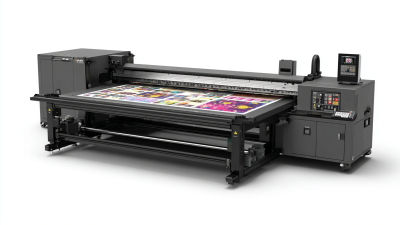
Best Multifunctional UV Printers in 2023
Comparative Analysis: Costs vs. Benefits of Multifunctional UV Printers
When considering the investment in
multifunctional UV printers, a critical analysis of
costs versus benefits is paramount. The initial expense of acquiring a
high-quality UV printer can be substantial, especially when factoring in the
advanced technology and features they offer. However, the potential return on investment can be significant, as these
printers can handle a diverse range of materials and applications, dramatically increasing workflow efficiency.
Businesses can diversify their offerings, producing customized products that cater to various client needs, thus enhancing
profitability in the long run.
Furthermore, the durability and quality of prints produced by multifunctional UV printers can lead to
increased customer satisfaction and repeat business. While the
operational costs, including maintenance, ink, and energy consumption, must be factored in, the ability to produce
vibrant and long-lasting graphics can justify the upfront investment over time. Additionally, the versatility of these
printers can reduce the need for multiple machines, saving both space and money for businesses with limited resources.
Ultimately, a thorough evaluation of these costs against the potential benefits will guide businesses in determining
the best multifunctional UV printer that aligns with their operational goals and budget.
Future Trends in UV Printing Technology for Business Growth
The landscape of UV printing technology is continuously evolving, paving the way for unprecedented business growth opportunities. One of the most significant trends currently emerging is the expansion of ink formulation capabilities. New UV inks are being developed that cater to a wider range of substrates, including flexible materials and unconventional surfaces. This versatility allows businesses to diversify their product offerings and reach new markets, enhancing their competitive edge in an increasingly globalized economy.
Another notable trend is the integration of automation and smart technology into UV printing processes. Automated systems not only streamline production workflows but also enhance precision and reduce human error. Furthermore, the incorporation of IoT (Internet of Things) technology enables real-time monitoring and data analysis, helping businesses optimize their operations and improve efficiency. As UV printing technology becomes more automated and connected, businesses can expect to see reduced turnaround times and increased productivity, ultimately driving growth and profitability.
Lastly, sustainability is becoming a pivotal concern in the UV printing industry. With growing environmental awareness, manufacturers are focusing on eco-friendly practices and materials. Advances in water-based UV inks and energy-efficient curing methods are setting new benchmarks for sustainability. Embracing these green technologies not only helps businesses comply with regulations but also resonates with consumers seeking responsible choices, thereby fostering brand loyalty and long-term growth.
Best Multifunctional UV Printers for Your Business Needs in 2023
| Printer Model |
Print Size (inches) |
Max Resolution (dpi) |
Speed (sq. ft/hr) |
Materials Supported |
Estimated Price ($) |
| Model A |
48 x 24 |
1200 |
200 |
Wood, Acrylic, Glass |
15,000 |
| Model B |
60 x 30 |
2400 |
150 |
Plastic, Metal, Paper |
20,000 |
| Model C |
36 x 48 |
1800 |
120 |
Textiles, Wood, Ceramic |
12,500 |
| Model D |
72 x 48 |
3000 |
100 |
Glass, Metal, Fabric |
25,000 |