Best Industrial UV Printer Options for Efficient Printing Solutions?
In the realm of modern printing technology, an industrial UV printer stands out as a vital tool. These printers offer unique advantages, such as rapid drying times and high-quality output. They use ultraviolet light to cure inks instantly, allowing for immediate handling of printed materials. This efficiency is essential in fast-paced industrial environments.
Several options are available on the market today. Each industrial UV printer has distinct features that cater to different needs. Factors like speed, resolution, and compatibility with various substrates play crucial roles in selecting the right model. However, navigating these choices can be overwhelming. Some printers may fail to meet production demands or could lead to increased operational costs.
Investing in the right industrial UV printer requires analyzing both current needs and future growth. While some models promise cutting-edge technology, they may not always deliver reliable performance. It's crucial to seek out user experiences and professional insights. Doing so will help make informed decisions that align with specific printing requirements. Ultimately, the best choice enhances productivity and fosters creativity in diverse industries.
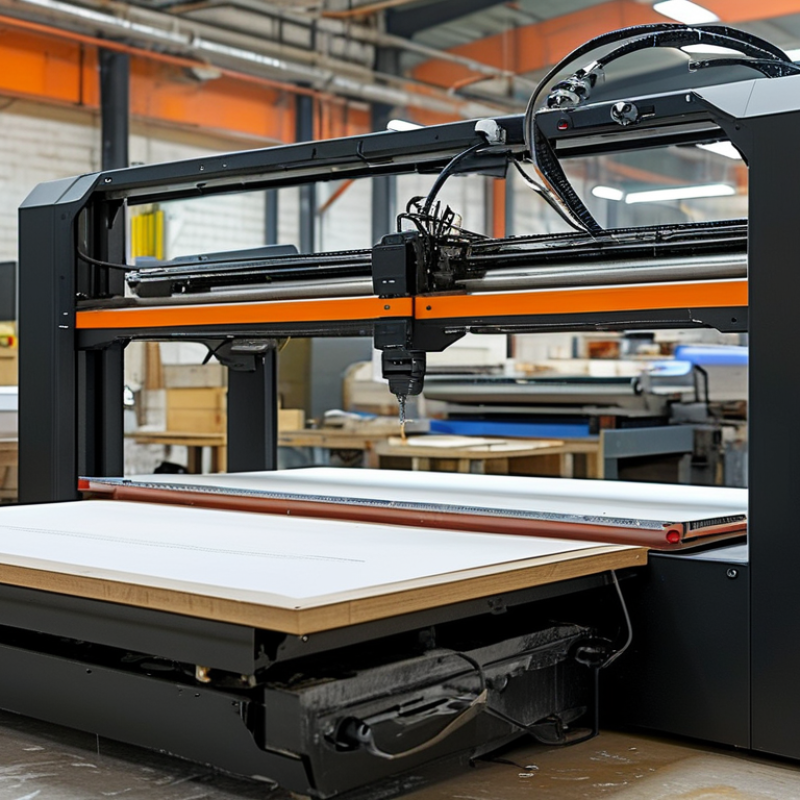
Best Industrial UV Printers: Overview of Key Features and Benefits
Industrial UV printers are revolutionizing print production with their speed and versatility. They can print on various substrates, including plastic, metal, and wood. According to a recent market report, the global UV printer market is expected to reach $3.3 billion by 2027. This growth is driven by the increasing demand for high-quality printing solutions.
Key features of industrial UV printers include LED curing technology, which reduces energy consumption and increases durability. These printers are capable of producing vibrant colors and fine details. Research shows that 70% of companies prefer UV printing for its environmental benefits, as it uses fewer volatile organic compounds. However, the initial investment can be steep, leading some businesses to question their return on investment.
When selecting a UV printer, carefully consider your production needs and budget. Seek out feedback from current users to gauge reliability and performance in real-world settings. Ensure that the printer you choose fits your workflow and has a service plan in place. This reflection could save time and resources down the line. Employing the right printing technique, you can enhance your operational efficiency while meeting customer demands.
Comparative Analysis of Top UV Printers in the Market
When selecting an industrial UV printer, understanding the options available is crucial. A thorough comparative analysis can reveal the unique strengths and weaknesses of various models. Many printers boast speed, but speed alone does not guarantee quality. Some machines may excel in color accuracy, while others struggle with print longevity.
Features matter significantly in the decision-making process. For instance, certain printers offer versatility for different materials, which can expand your production capabilities. Yet, this could mean sacrificing ease of use. The learning curve of some advanced models might deter potential users. Regular maintenance is another aspect to consider. Some printers require frequent care, which can add to overall costs.
Professional reviews often highlight user experiences. This feedback can provide valuable insights into real-world performance. A printer may appear top-of-the-line, but user reports might reveal flaws. For example, inconsistency in print results can be a major drawback. Ultimately, understanding the nuances behind each model leads to more informed purchasing decisions. Evaluating technical specifications against user feedback is essential for finding the right match for your specific needs.
Efficiency Metrics: Cost Per Print and Production Speed in UV Printing
When evaluating efficiency metrics in UV printing, two crucial factors stand out: cost per print and production speed. Cost per print significantly impacts the profitability of any printing operation. Different media types and ink consumption rates can influence overall costs. Accurate calculations are essential for making informed decisions.
Production speed is another vital metric. Faster printing helps meet tight deadlines and increases output. However, achieving speed without compromising quality is a challenge. Balancing these aspects often requires dedicated resources and technology. The relationship between speed and cost needs careful consideration.
Understanding these efficiency metrics is key for businesses looking to optimize their UV printing processes. Companies must analyze their workflows regularly. Feedback loops can uncover inefficiencies that need addressing. After all, even the best technology can fall short if not paired with strategic planning and evaluation.
Applications of Industrial UV Printers Across Various Industries
Industrial UV printers find diverse applications across various sectors. These printers are versatile tools, ideal for printing on materials like glass, wood, metal, and plastic. Their quick drying times enable high-speed production, making them attractive for industries that value efficiency.
In the signage sector, UV printers create vibrant graphics that withstand weather conditions. They allow businesses to produce eye-catching banners and promotional materials rapidly. In packaging, these printers provide high-resolution prints that enhance product visibility. Custom designs can be achieved, catering to unique customer demands.
Tips: Always assess the substrate to determine the best printing method. This ensures optimal adhesion and print quality. Regular maintenance of the printer is crucial for consistent performance. Lastly, consider training staff on printer operations for better efficiency.
The automotive industry also benefits significantly from UV printing. Custom parts and prototypes can be printed with precision and durability. However, the investment in industrial UV printers requires careful consideration of production needs. Balancing costs with potential returns is essential for long-term success.
Best Industrial UV Printer Options for Efficient Printing Solutions
This bar chart illustrates the average speed of UV printers across different industries, showcasing their efficiency in various applications.
Future Trends in UV Printing Technology and Market Growth Projections
The UV printing industry is evolving rapidly. As technology advances, companies seek more efficient solutions. Market trends indicate a shift towards eco-friendly practices and faster production times. Businesses are investing in UV printers to meet growing customization demands.
Future projections highlight significant market growth. The increasing need for high-quality prints across various sectors drives this change. Enhanced printing speeds and lower costs will attract more users. However, challenges remain. The initial investment in UV printing technology can be substantial. Small businesses may hesitate due to financial constraints.
Moreover, technical knowledge is crucial for optimal printer usage. Operators must understand the intricacies of UV inks and substrates. Training and support can mitigate these challenges. As the industry grows, continuous learning will be vital. The future of UV printing looks promising, but the journey may be complex.