2026 Top Uv Printer A2 Features and Benefits Explained
In the world of printing technology, the Uv Printer A2 represents a significant leap forward. Industry expert Mark Thompson once stated, "The Uv Printer A2 is not just a tool; it's a gateway to creative possibilities." This highlights its versatile nature and the potential it unlocks for businesses and artists alike.
The Uv Printer A2 offers cutting-edge features that can transform ordinary designs into striking visuals. With its capability to print on a variety of surfaces, the possibilities are endless. However, while the benefits are clear, many users still grapple with optimizing this technology. Achieving a fine balance between quality and productivity can be tricky.
As we delve into the features and benefits of the 2026 Uv Printer A2, reflecting on its strengths will be essential. Awareness of potential drawbacks can lead to better utilization. The goal is not just to embrace innovation but to challenge ourselves to use it effectively. Let's explore what makes the Uv Printer A2 a remarkable asset in today's market.
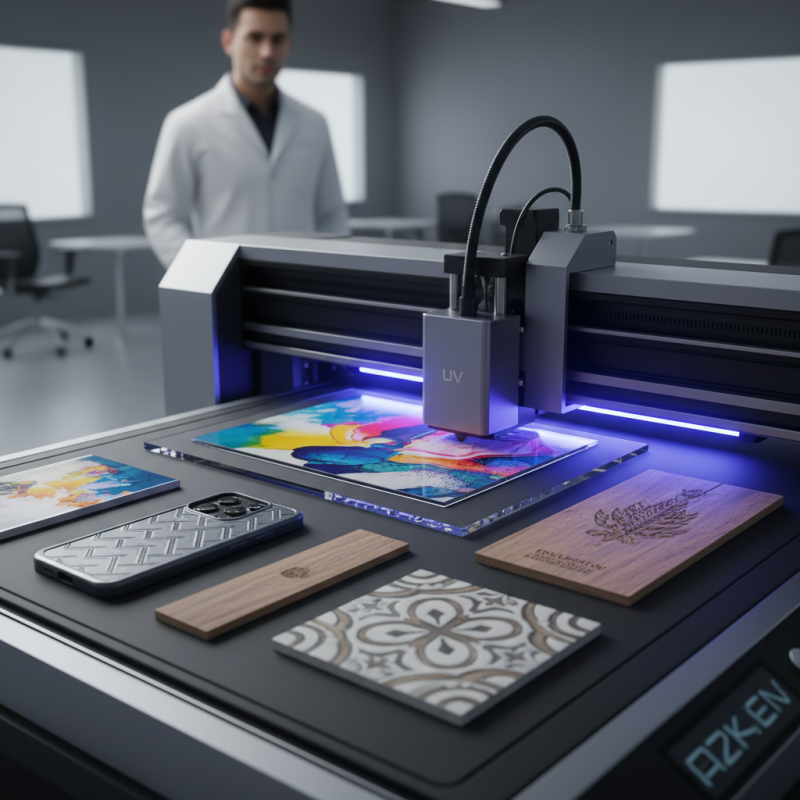
Overview of A2 UV Printers in 2026
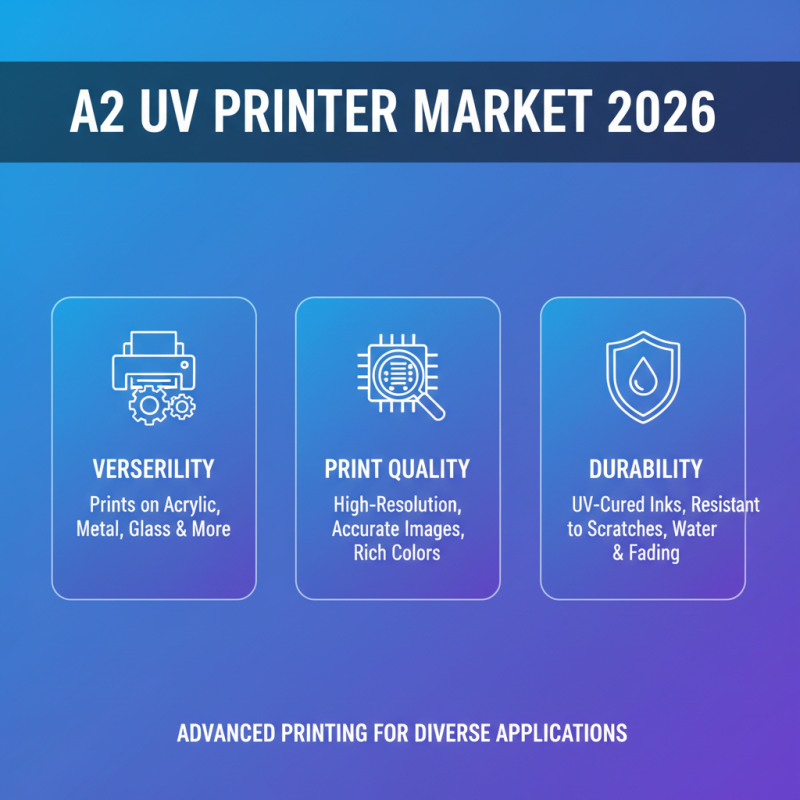
The A2 UV printer market in 2026 showcases significant advancements. These printers offer versatility, allowing users to print on various materials. From wood to acrylic, their applications are diverse. High-resolution prints are now standard, delivering sharp images and vibrant colors. Users appreciate the durability of UV-cured inks, which withstand harsh conditions.
Moreover, the speed of these printers has increased. They can handle large volumes of work without sacrificing quality. However, some users have noted that maintaining such machines can be challenging. Routine cleaning and calibration are necessary for optimal performance. The initial setup might also feel overwhelming for newcomers.
Environmental considerations are becoming more prominent. While UV inks provide durability, they also raise questions about their eco-friendliness. Manufacturers are exploring more sustainable options. The market is responding to these concerns, pushing for improvements. As the technology evolves, users will need to reflect on their choices more critically. Balancing performance with sustainability is key in this growing industry.
Key Features of 2026 A2 UV Printers
When exploring the key features of 2026 A2 UV printers, versatility stands out. These printers handle various materials. From rigid surfaces to soft textiles, the possibilities are vast. This adaptability appeals to many industries. Graphics, signage, and packaging benefit significantly from such technology. However, the learning curve can be steep for new users.
Another notable feature is the vibrant color output. A2 UV printers produce rich, eye-catching prints. This enhances the overall appeal of products. Customers often notice the difference. Yet, achieving perfect color consistency can be challenging. Fine-tuning may be required for optimal results.
Additionally, speed is a critical factor. Many A2 UV printers offer quick production times. Businesses can meet tight deadlines efficiently. However, high-speed printing might compromise detail in some cases. Balancing speed and quality demands careful consideration. Customers seek perfection, and it’s essential to reflect on where improvements can be made.
2026 A2 UV Printers Features Comparison
This chart illustrates the features of the top A2 UV printers expected to be available in 2026. It highlights key metrics such as print speed, maximum resolution, ink types, color capability, and price. These features play a significant role in determining the performance and versatility of these printers in various printing applications.
Benefits of Using A2 UV Printers for Various Materials
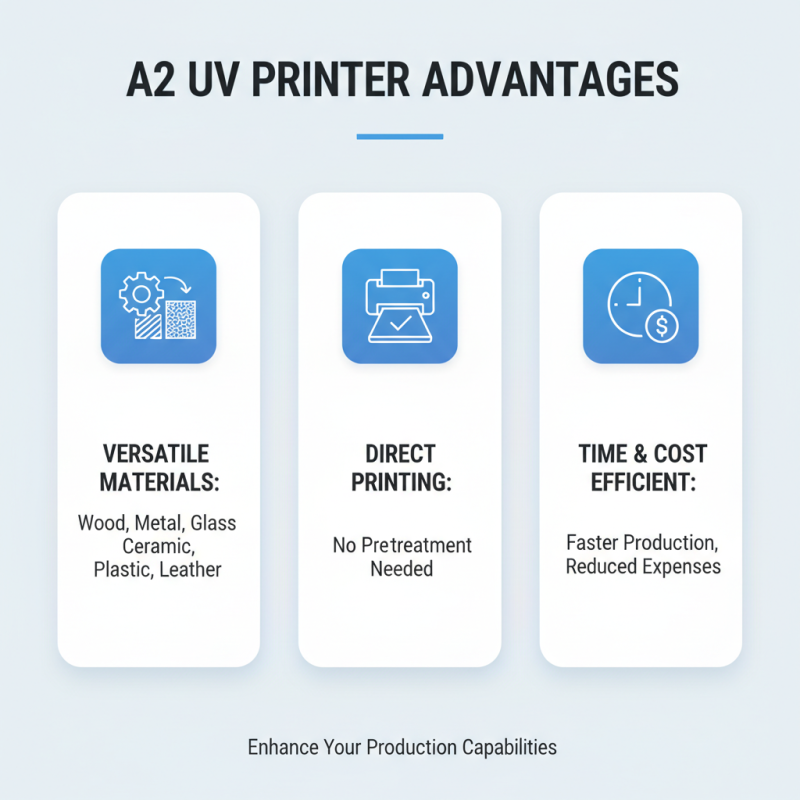
A2 UV printers offer unique advantages for various materials. These printers can handle a wide range of surfaces. From wood to metal, they provide exceptional versatility. The technology allows for direct printing, eliminating the need for pre-treatments. This saves time and can lower costs.
Another significant benefit of A2 UV printers is their ability to produce vibrant colors. The UV ink dries quickly, ensuring sharp images and designs. This is crucial for businesses aiming to create high-quality products. However, achieving perfect color balance can be challenging. It requires careful calibration and experimentation. Users often find themselves adjusting settings to match their expectations.
Moreover, the durability of printed images is impressive. UV prints are resistant to scratches, fading, and water damage. This makes them ideal for both indoor and outdoor applications. Still, some users report issues with adhesion on certain materials. Continuous testing and practice are necessary. Overall, A2 UV printers stand out for their flexibility and quality, but they demand constant learning and adaptation.
Comparison of A2 UV Printers with Other Printing Technologies
When comparing A2 UV printers with traditional printing technologies, several key features stand out. A2 UV printers are known for their versatility. They can print on various surfaces, including metal, glass, and wood. This capability is often limited in offset or inkjet printing. A2 UV printers also offer quick drying times. This feature allows for faster production speeds. However, this technology can sometimes be sensitive to settings and materials used, leading to inconsistencies.
Color vibrancy is another important aspect of A2 UV printing. The prints produced are often brighter and more vivid. This is something that traditional technologies struggle with. Yet, achieving such vibrancy depends on proper calibration and setup. Many users find themselves frustrated when colors do not match expectations. While A2 UV printers provide amazing quality, they require practice and attention to detail.
Ink consumption is also different between A2 UV and other methods. UV printers typically use less ink, which can reduce costs. However, this can lead to a need for frequent maintenance and adjustments. Users might experience clogging in the print heads, which requires troubleshooting. The learning curve can be steep, yet the potential for high-quality results makes it worthwhile for many print service providers.
2026 Top UV Printer A2 Features and Benefits Explained - Comparison of A2 UV Printers with Other Printing Technologies
| Feature |
A2 UV Printer |
Eco-Solvent Printer |
Latex Printer |
| Print Resolution |
1440 x 1440 dpi |
720 x 720 dpi |
1200 x 1200 dpi |
| Speed (sq. ft/hr) |
100 |
40 |
60 |
| Ink Type |
UV-curable |
Eco-solvent |
Latex |
| Substrate Compatibility |
Rigid and flexible |
Flexible |
Flexible |
| Durability |
Highly durable |
Moderate durability |
Good durability |
| Production Cost |
Moderate |
Low |
Moderate |
Future Trends in A2 UV Printing Technology
The future of A2 UV printing technology is filled with exciting possibilities. As businesses seek more efficiency, the demand for UV printers with advanced features grows. Enhanced speed and precision are expected to attract companies aiming for high-quality outputs. New software developments will play a crucial role. They can streamline the design process and improve user interfaces.
On the surface, many advancements seem straightforward. However, the integration of new technologies can be complicated. For instance, augmented reality features may allow users to visualize prints before production. This innovation could save time and materials. Yet, it raises questions about reliability and usability. Can all users adapt quickly?
Sustainability is also a key concern. While UV printers are known for their quick drying times, the environmental impact of inks and materials remains. Companies are exploring eco-friendly alternatives, but these options are still evolving. There’s a balance to be struck between innovation and responsible practices. The industry must remain vigilant in addressing these challenges.