2026 Top A1 UV Printer Innovations and Trends in the Industry?
The printing industry is undergoing significant transformations, particularly with the rise of A1 UV printers. These innovative machines are making waves for their versatility and efficiency. In 2026, we expect to see remarkable trends that will further shape this sector.
A1 UV printers are not just about speed but also about quality. They allow for printing on various materials, which expands creative possibilities. This capability is crucial for businesses looking to stand out in a competitive market. However, as the technology evolves, some challenges remain. Ensuring consistent quality across different substrates can be tricky.
The future of A1 UV printers looks promising, yet it demands constant adaptation from users. Staying updated on innovations is vital. Embracing change will help businesses meet customer needs effectively. As we dive deeper into the trends of 2026, understanding these dynamics will be essential for success.
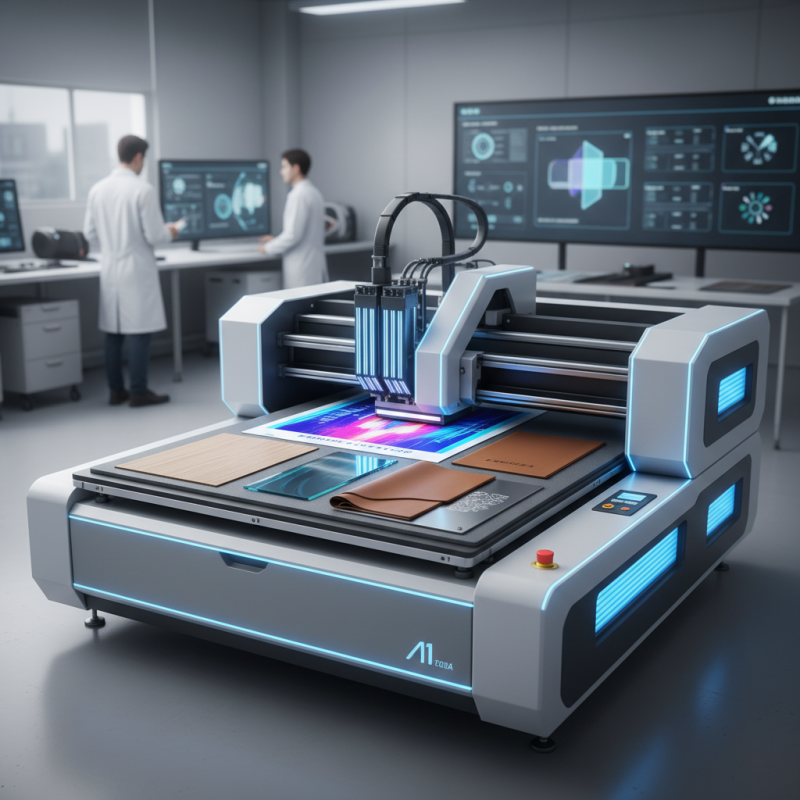
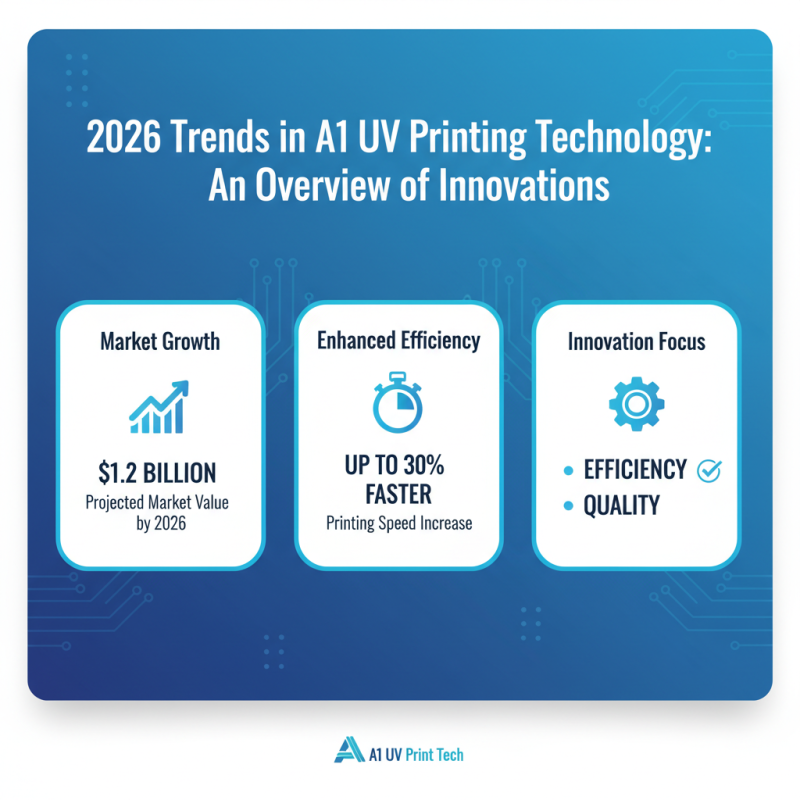
2026 Trends in A1 UV Printing Technology: An Overview of Innovations
The A1 UV printing market is evolving rapidly. In 2026, innovations will focus on efficiency and quality. New technologies will enhance printing speed by up to 30%. This increase directly impacts productivity for businesses. A recent report from industry analysts shows that the A1 UV printer market is projected to reach $1.2 billion by 2026. This growth highlights the significance of these advancements.
User-friendly software is another key trend. New interfaces will simplify complex tasks for operators. Features like automated color matching will become standard. However, not all innovations will work seamlessly. Some users may face a learning curve with emerging technologies. Continuous support and training will be essential for successful implementation.
Sustainability remains a hot topic. Many manufacturers are exploring eco-friendly inks and energy-efficient machines. Data suggests that companies using sustainable practices see a 15% increase in customer retention. Yet, the transition isn't flawless for all. Balancing cost with sustainability can be challenging, and not every printer will adapt equally well. The industry must remain agile to meet these evolving demands.
Impact of Eco-Friendly Materials on A1 UV Printer Designs in 2026
The rise of eco-friendly materials is reshaping the A1 UV printer industry in 2026. Manufacturers are increasingly prioritizing sustainability in their designs. The integration of biodegradable plastics and recycled substrates is now common. This shift responds to growing consumer awareness surrounding environmental issues. More print shops seek to reduce their ecological footprint through innovative materials.
Designs that utilize eco-friendly inks and substrates have gained traction. However, not all eco-friendly options meet the performance standards expected by consumers. Some biodegradable materials may not provide the durability required for extreme conditions. This inconsistency leads to debates among professionals about the true value of sustainability in printing.
The aesthetic appeal of eco-conscious products is undeniable. Print quality can remain high while embracing greener practices. However, companies should remain vigilant. They need to ensure that eco-friendly materials align with their brand values. Balancing environmental responsibility and performance presents challenges. It requires ongoing research and commitment to evolve in this competitive landscape.
2026 A1 UV Printer Innovations and Trends
This chart illustrates the impact score of various innovations and trends in the A1 UV printer industry for 2026. Eco-friendly materials are leading the way with a score of 85, reflecting the industry's shift towards sustainability. Other areas like print quality and automation features also score high, indicating significant advancements in technology.
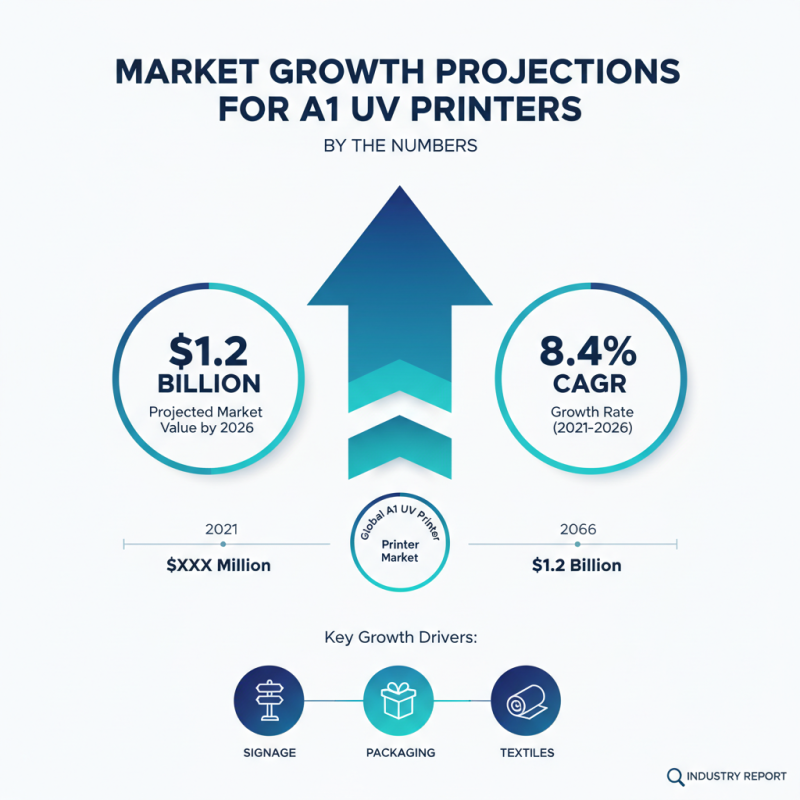
Market Growth Projections for A1 UV Printers: By the Numbers
The A1 UV printer market is on a notable growth trajectory. According to a recent industry report, the global A1 UV printer market is projected to reach $1.2 billion by 2026, growing at a CAGR of 8.4% from 2021 to 2026. This growth is driven by increasing demand for high-quality printing solutions across various sectors, including signage, packaging, and textiles.
Innovations in A1 UV printing technology are reshaping industry standards. Enhanced print speeds and improved ink formulations are notable trends. A significant shift towards eco-friendly inks is also observed. In fact, reports indicate that sustainable practices could account for 30% of market preferences by 2026. Despite these advancements, challenges remain. Not all businesses can afford the latest equipment, making access uneven across regions.
Customer preferences are diversifying. The demand for custom prints is rising. Clients seek more options, such as varied substrates and finishes. This demand reflects a broader industry trend where personalization is becoming crucial. As manufacturers strive to meet these needs, balancing innovation with cost-efficiency will be central. The industry must navigate these complexities while addressing the environmental impact of production methods.
Advancements in Print Quality: The Role of AI in A1 UV Printing
As the A1 UV printing industry evolves, artificial intelligence (AI) is becoming a game-changer. Advanced AI algorithms enhance print quality significantly. According to recent studies, companies that integrate AI into their printing processes can improve accuracy by over 40%. This technology aids in color matching, ensuring vibrant and consistent output. AI-driven software also identifies and corrects flaws in real-time, minimizing waste.
Print operators can leverage AI tools to analyze data from previous jobs. This understanding allows for better decision-making. For instance, AI can predict maintenance needs for printers, reducing downtime. However, not all businesses fully embrace this technology. Some still use traditional methods, leading to inconsistencies in print quality.
The push for improved print quality is not without challenges. While AI allows for precise adjustments, the need for human oversight remains crucial. Trusting AI too much may lead to over-reliance. Moreover, integrating AI into existing workflows requires training. A balance between automation and human expertise is essential for optimal results. The journey to enhanced print quality is ongoing, posing both opportunities and hurdles for industry players.
Emerging Applications of A1 UV Printing in Various Industries in 2026
As A1 UV printing technology continues to evolve, its applications are becoming more widespread across various industries in 2026. This method excels in printing vivid colors and intricate designs on diverse materials. Industries like packaging, automotive, and interior design are now leveraging A1 UV printing to enhance product presentation and overall quality. For instance, custom labels in food packaging are gaining popularity, ensuring that brands stand out on the shelves.
**Tips:** Consider experimenting with mixed media on your prints. This can create unique textures and finishes that attract attention.
A1 UV printing is also making waves in the fashion industry. Designers are using this technology for creating detailed prints on fabrics. With the ability to print directly on textiles, the possibilities are limitless for innovative apparel designs. However, this does pose challenges, such as ensuring durability and washability. Continuous feedback and testing are crucial for success in this area.
**Tips:** Always run trials on fabric samples. It helps identify any issues before the final production.
In addition, the decoration of home and office space is becoming more customized. A1 UV printers can produce stunning wall art or personalized interior decor items. However, sourcing sustainable materials is essential. Balancing aesthetics and environmental responsibility can be a complex task but rewarding long-term.
2026 Top A1 UV Printer Innovations and Trends in the Industry
| Dimension |
Value |
| Printing Speed |
50 m²/h |
| Resolution |
1200 x 1200 dpi |
| Ink Type |
Eco-friendly UV ink |
| Max Material Thickness |
50 mm |
| Material Compatibility |
Wood, metal, glass, plastic |
| Power Consumption |
2 kW |
| User Interface |
Touchscreen with intuitive controls |
| Emerging Applications |
Custom packaging, signage, promotional items |
| Market Growth Rate |
8% CAGR |
| Key Trend |
Sustainability in printing solutions |